
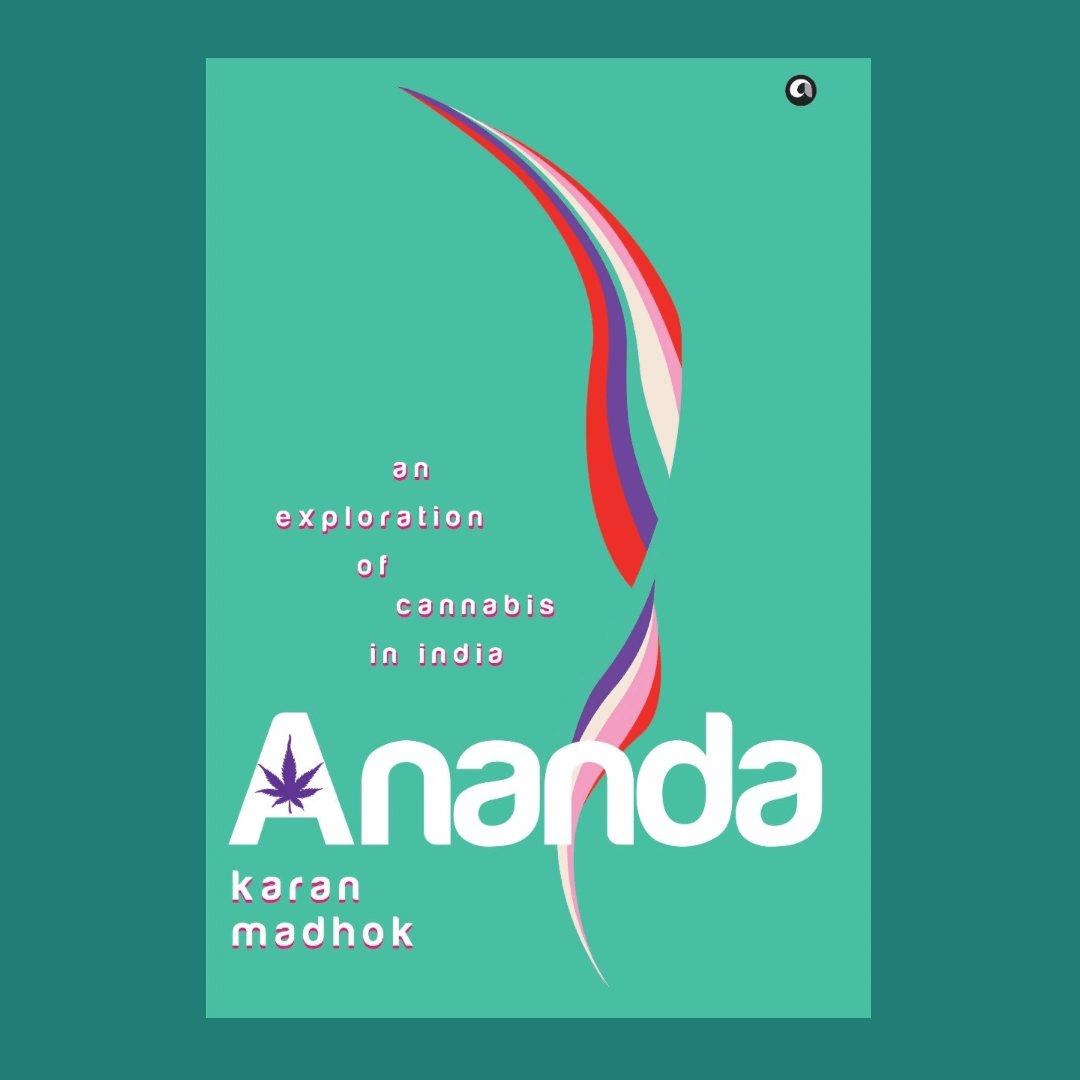
According to the information presented in Ananda: An Exploration of Cannabis in India by Karan Madhok, cannabis has played a clear and multi-layered religious role in Indian traditions throughout the ages. Its use transcended religious boundaries and integrated into folk rituals, mystical practices, healing rites, and devotional ceremonies. It has long been associated with ananda, or supreme bliss. For this reason, Madhok questions why India’s current drug policy, based on the Narcotic Drugs and Psychotropic Substances (NDPS) Act of 1985, is so hostile to cannabis—particularly to the flower, where THC concentrations are highest. He argues that the traditional relationship between Indian culture and cannabis renders its use both familiar and relatively safe. In the absence of such a culturally embedded substance, a vacuum of consciousness is created—one that is often filled by extreme and synthetic chemicals. Beyond health and legal concerns, the ban undermines a long-standing cultural and spiritual resource.
That said, Madhok’s advocacy for legalization is less relevant to our interest here. What we take from his work is the deep and traditional uses of cannabis across Indian culture—not only within Hinduism but across religious lines, as evidenced throughout Indian history.
To begin with Hinduism: cannabis, especially bhang, is directly associated with the god Shiva. According to mythology, Shiva discovered the cannabis plant in the desert while seeking refuge after a quarrel with his family. He consumed its leaves to cool himself, and since then, the plant has become a spiritual symbol linked to the deity. It is consumed in rituals such as Maha Shivratri, Holi, Hajari, and others. Bhang is considered prasad—a sacred offering—and is taken for spiritual purification, release from desires, and sometimes as preparation for meditation. It is viewed as a means to achieve union with the divine, reinforcing the mystical and tantric dimensions of worship. Cannabis is also mentioned in the Atharva Veda, where it is named as one of the five sacred healing plants, believed to carry divine power and angelic protection.
Among Indian Muslims—particularly the Sufi mystics, who are still active in many parts of India—cannabis is associated with the figure of Al-Khidr, the "Green One," a legendary guide in esoteric consciousness and hidden wisdom. Sufis have traditionally used cannabis to stimulate inspiration, spiritual elevation, and divine connection, often within circles of music, poetry (qawwali), and meditation.
In Tantric Buddhism—especially within Himalayan lineages—cannabis has held both a medical and spiritual function. It has been used to sharpen attention, relieve pain, increase bodily endurance, and, at times, to support deeper states of meditative focus.
Among the Sikhs, the Nihang sect (traditional warrior ascetics) consumes a cannabis-based drink known as Sukha Prasad (literally “bliss offering”) during the Hola Mohalla festival. Although Guru Nanak, the founder of Sikhism, is believed to have opposed mind-altering substances, the Nihangs incorporated cannabis into their warrior-spiritual practice, which blends ecstasy, discipline, and devotion.
The fact that cannabis serves as a shared motif across all of India’s major religions—and is not confined to any one denomination—renders it a cultural and spiritual bridge. So deeply embedded is it in Indian life that even religious groups which traditionally opposed external stimulants (like the Sikhs) have not entirely distanced themselves from it. For this reason, Madhok refers to cannabis as a “secular” substance—no less secular, he argues, than the Indian Constitution itself.
הצטרפו לרשימת התפוצה שלנו
כתיבת תגובה