
חודש: נובמבר 2024
-
The Soma/Ayahuasca analogy
I apologize in advance for writing a book review about a book I haven’t actually read. The book in question is The Tawny One: Soma, Haoma, and Ayahuasca by the British scholar Matthew Clark (from the University of London). Unfortunately, I couldn’t get my hands on this book (even though it’s available on Kindle for…
-
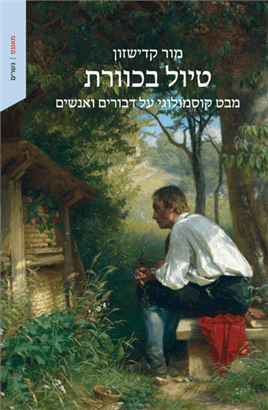
The sacred bee
Bees have inspired mystery due to their unique way of life within the hive. They live in complete darkness, and much of their activity remains hidden from human eyes. Even today, with advanced technologies, our understanding of the inner workings of the hive is limited. This sense of mystery is heightened by the perception of…
-
The Case for Religious Use of Psychedelics: Beyond the Medical Model
Dr. Paul Ryder, founder of the Congregation for Sacred Practices (CSP), writes in an article for Lucid News advocating for the adoption of the religious model over the medical model when engaging with psychedelics. The medical model focuses on reducing symptoms in conditions such as depression, anxiety, and PTSD, reducing psychedelics to a limited clinical role while…
-
The Evolutionary Impact of Agriculture: Vitamin D, Lactose Tolerance, and Genetic Adaptations in Early European Societies
Late-night thoughts, and I apologize in advance to those more knowledgeable in nutrition, seeking tips and corrections. From what I've read, the transition of European society from nomadic hunting to agriculture contributed to genetic changes manifested in lighter skin and lactose tolerance. I understand this is related to the amount of vitamin D in the farmers'…
-
Kuntillet Ajrud as a tree worship site
Kuntillet Ajrud, located in northeastern Sinai approximately 50 kilometers south of Kadesh Barnea and about 12 kilometers west of the ancient desert trade route Darb el-Ghazza (the Gaza Road), is considered a unique archaeological site due to the array of extraordinary findings discovered there. Excavated between 1975 and 1976 by archaeologist Ze’ev Meshel, the site's structures…
-
The Death Whistle: Ancient Rituals, Fear, and the Universal Power of Wind Instruments
The death whistle is an ancient and mysterious instrument found in Aztec tombs, seemingly used for cultural and ritual purposes. These whistles, often shaped like skulls, produce high-pitched, piercing sounds reminiscent of human screams. The sound is created by airflow passing through internal channels designed to collide, generating a unique and intense auditory effect. Archaeological findings…
-
The Earliest Spindles: Technological Innovation and Ritual Significance in Natufian Culture
New from Professor Leore Grossman's lab at the Hebrew University: the earliest evidence of ancient spindles and spinning tools has been discovered at Nahal Ein Gev, specifically at the Nahal Ein Gev II site, dating back to the Natufian period, approximately 12,000 years ago. Using advanced 3D scanning and analyses, researchers found that 100 perforated stones…
-
New Neolithic Stone Circles on Dartmoor: Unlocking the Sacred Landscape of Prehistoric Britain
Two new Neolithic stone circles have been discovered on Dartmoor, an area renowned for its prehistoric heritage. One of the circles, named "Metheral," resembles Stonehenge and may have been part of a henge monument. The second circle, located outside the "sacred arc," was found near a collapsed dolmen known as the "Fallen Brother Dolmen." Additionally,…