
תגית: etymology
-
Golden shower
I’m not sure where to share this etymological insight, but it turns out that in Semitic languages, gold was called “charutz” (or “yerakrak harutz”—greenish gold, psalms 68), and this term later made its way into Indo-European languages. The argument is that the transition happened from Phoenician to Greek, not the other way around. In Phoenician…
-
Golden shower?
I’m not sure where to share this etymological insight, but it turns out that in Semitic languages, gold was called “charutz” (or “yerakrak harutz”—greenish gold, psalms 68), and this term later made its way into Indo-European languages. The argument is that the transition happened from Phoenician to Greek, not the other way around. In Phoenician…
-
prophecy and false prophecy under the influence of the mandrake
following Prof. Amotz Dafni's new book "The mandrake through the jewish prism" I have a certain insight regarding the mandrakes, though I am sure it might have a deeper investigation. Josephus, in Wars of the Jews, refers to mandrakes as Baaras and describes the ritual of uprooting them: one ties a dog to the root,…
-
Etymology of cannabis and the "kaneh"
Rabbi Michoel Green writes about the etymology of the word "cannabis", noting that it contains the root K.N.H, a versatile and multifaceted verb in Hebrew. He asserts that this verb has applications across numerous fields in both Hebrew and foreign languages. The original meaning of "kaneh" is a stalk or reed, with one of its…
-
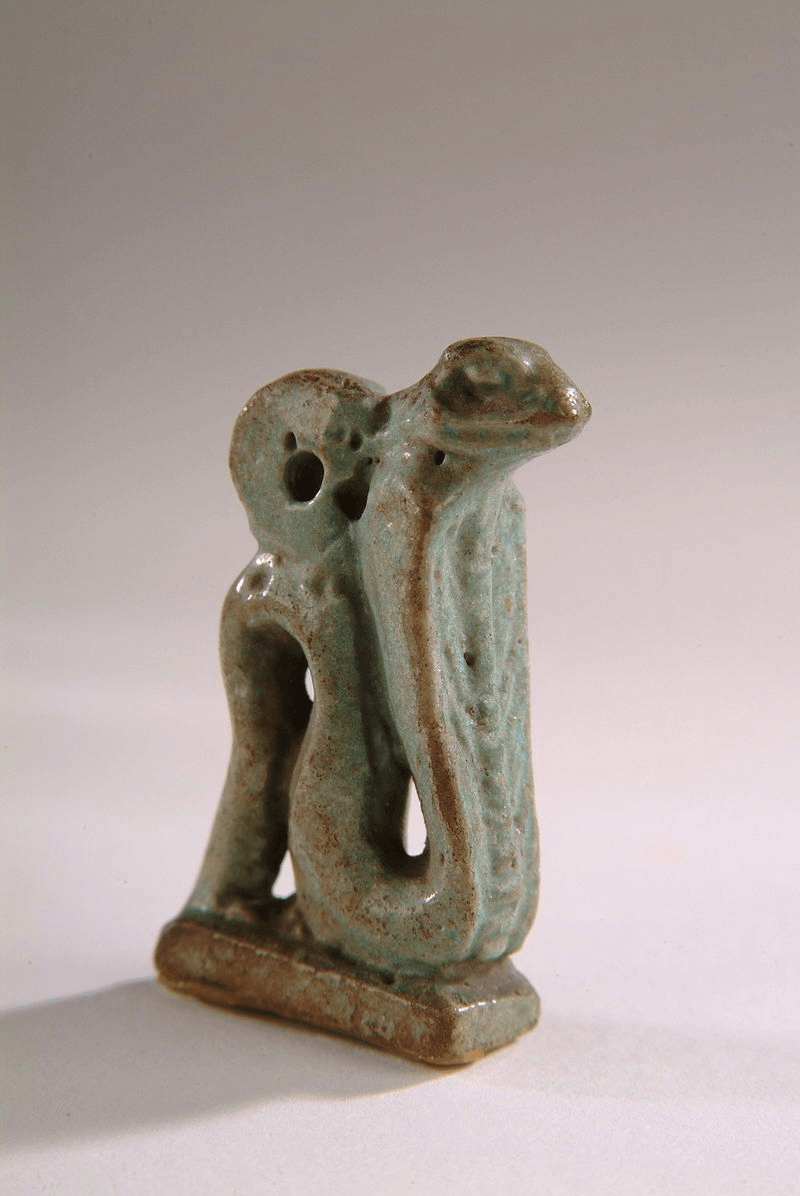
The Symbolism of the Hebrew Word "Nasi" and Its Potential Egyptian Origins
In Hebrew, "president" is "the most exalted of all", according to I Kings 1:5 and also according to the Nachmanides in his interpretation of the verse "You shall not curse God, and you shall not curse a president among your people" (Exodus 22:27). In Proverbs 25:13, it seems that the clouds are also called that…
-
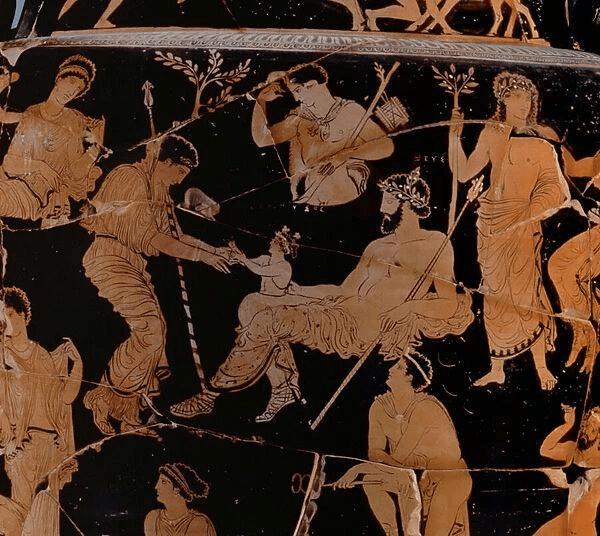
The etymology of Dionysus
The meaning of the name Dionysus is the god from "Nysa". Erroneous etymologies associate the name Dionysus with "the twice-born", as well as with "limp of Zeus", to allude to the story of the birth of Dionysus. The story goes like this: Zeus and Hera were married, but Zeus fell in love with all kinds…
-
The hebrew word for wine is borrowed from Indo-European
In the Bible there are many words in Hebrew that describe the vine, the products of the vine and the processing of the vine. On the one hand, this proves the centrality of the grapevine industry in the Hebrew-speaking culture in ancient times, but also probably proves a meeting between cultures. The duplication of words…
-
bee orchid made of cattle seed
The bee orchid is a type of orchid whose flower resembles a bee, and it also releases pheromones that seem like enticing the male bees to come and mate with the flower and thereby pollinate the flower without their knowledge, after the pollen sticks to their bodies and passes to other flowers. Orchids in general,…
-
Tziporen is Saffron and derived etymologically from the birds' claw and feathers
One of the symbols of incense is the tziporen and the question arises as to what it is of course, and why it is called that. Tziporen is thought to be clove, probably because its buds are sharp and resemble fingernails. But for me it doesn't make sense. Let me explain. At this point, it…
-
Amots Dafni's "In search of traces of the mandrake myth"
Amots Dafni is Professor Emeritus of Botany at the University of Haifa. He does specialize in pollination, but in his last years before his retirement and even more so since his retirement, he delved into ethnobotany. As an expert on the pollination of mandrake, he became an authority on the ethnobotany of the plant. In…