
תגית: Ancient Greece
-
Electronic Choreia
In antiquity, dance was perceived as a deep cosmic, philosophical, and ritual mechanism. It was not seen at all as leisure, and although it was understood as an aesthetic art, this was aesthetics in the Platonic sense, as the telos of perfection, because dance was the symbol of perfection and of order. When people danced,…
-

The original meaning of salvation: of passersby
Crossroads in Ancient Greece were considered dangerous and unstable spaces, where boundaries became blurred and humans were exposed to supernatural forces. These were liminal spaces, and the Greeks believed that daimons — elusive, local spirits, sometimes hostile — dwelled there. The fear and sense of danger associated with them are evident in rituals performed at…
-
Greek shamans
"Iatromantis" (Ιατρωμάντις) was a title in ancient Greece used to describe a person who combined healing abilities with prophetic powers. This term refers to a seer-healer, a shaman or a divine man, a figure who merged medical knowledge with the ability to foresee the future or interpret symbols and mythological signs. In some cases, it…
-
greek fish addiction and sexual connotations
In ancient Greek culture, there was a deep metaphorical connection between the desire for fish and sexual desire. This connection was expressed in comedies, literary imagery, and societal perceptions of the time. Seafood, particularly oysters, octopuses, and certain fish, served as metaphors for female genitalia, and the association between uncontrollable gluttony and sexual lust was widespread.…
-
Purple in ancient Greek Cult
Purple was a distinct marker of wealth, luxury, and social status in ancient Greece. It symbolized divine and priestly status, with purple garments often signifying the role of priests as intermediaries between gods and humans. For instance, the priests of Demeter in Ephesos wore purple garments as part of their rituals. Similarly, the priests of…
-
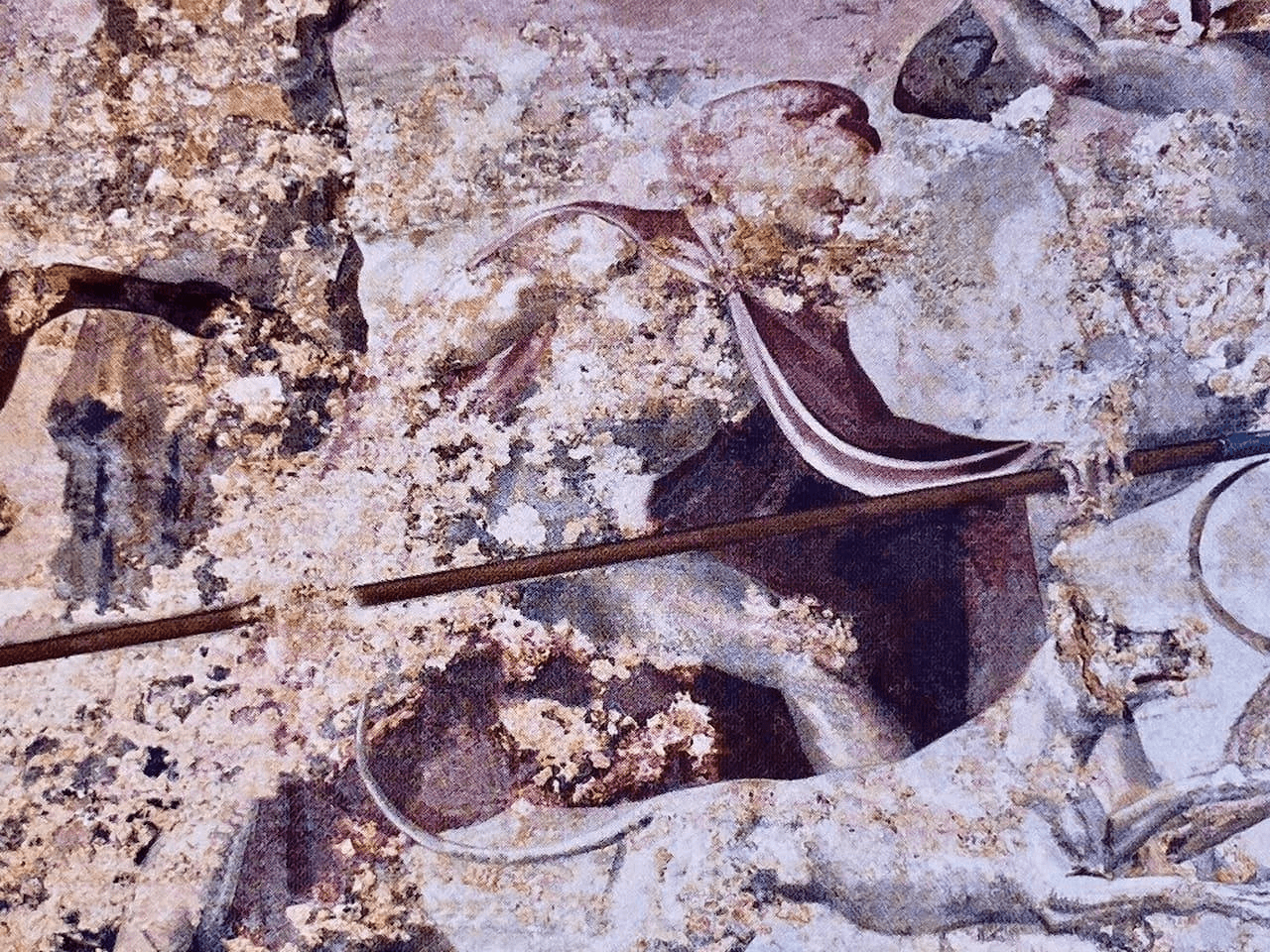
Sacred tunic of Alexander the Great identified
During excavations in Royal Tomb II at Vergina, Macedonia, Greece, archaeologists uncovered several prestigious artifacts, including a purple tunic, a golden oak wreath, and various royal items like a diadem and scepter. The purple tunic is made of cotton and dyed in Tyrian purple, a color associated with royalty. The golden oak wreath was found…
-
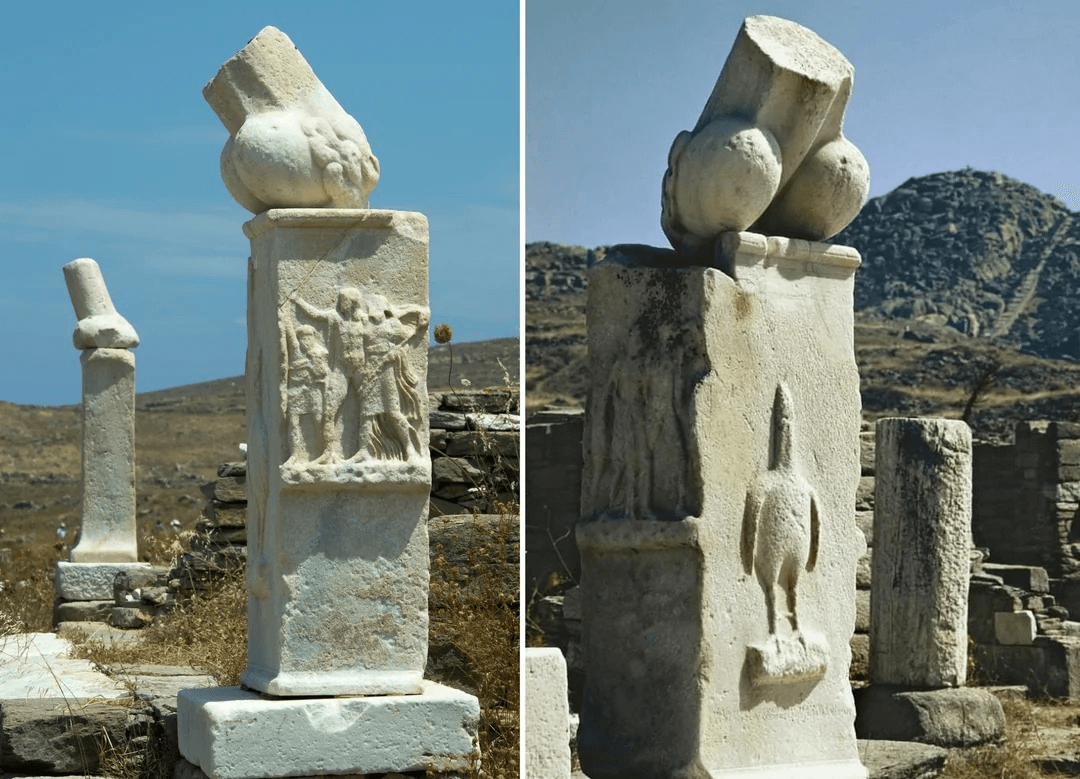
The phallic statues of Stoibedeion
The Stoibedeion is an ancient monument on the island of Delos in Greece, dedicated to the fertility god Dionysus. The Stoibedeion consists of a rectangular platform on which stood a statue of Dionysus, flanked by two figures portraying the Papposilenoi—representations of Silenus, the mentor and tutor of Dionysus (Pappos = like "papa," father). Silenus is…
-
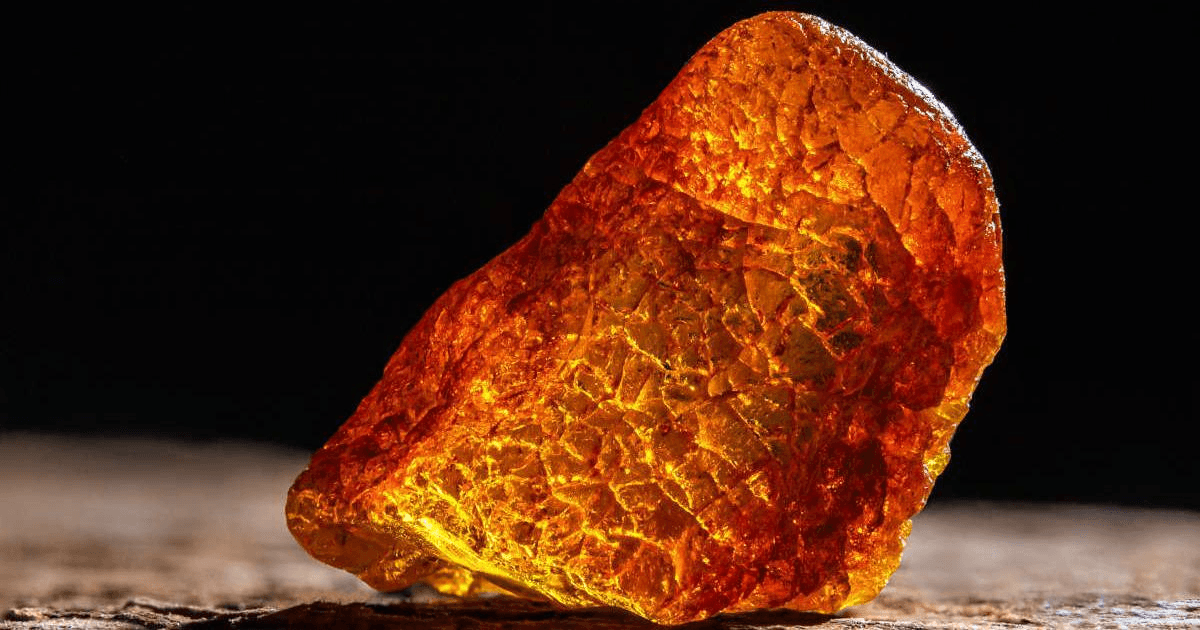
The amber as sun god worship
Polish archaeologists have discovered that in Mycenaean culture (pre-Homeric ancient Greece, late Bronze Age), amber was used as a symbol of high social status and as part of sun worship. Amber was found in the lavish graves of Mycenaean elites, mainly in the form of jewelry and ornaments, indicating its social and spiritual significance. Amber…
-
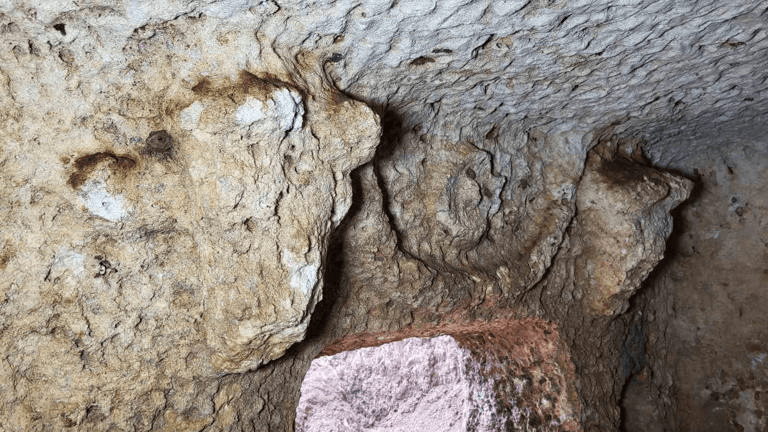
The sacred bull as the essence of the rebirth and immortality
Today it was reported that a 2000-year-old tomb was discovered in the ancient city of Tharsa, located near the village of Kuyulu in southeastern Anatolia. The tomb is part of a larger burial complex containing 60 tombs. Surrounding the tomb are arch decorations and two bull heads. The arch decorations, known as arcosolium, suggest that…
-

Biblical leprosy in nothing but anal itching aka Pruritus Ani?
In the portions of "Tazria" and "Metzora" (Leviticus 12-15) we deal with a variety of skin diseases, and it seems that dermatology was a subject that occupied the priests, the witch-doctors of that time. This did not only characterize the Jewish religion, it appears that all ancient cultures were obsessed with skin diseases and especially…