
תגית: folklore
-
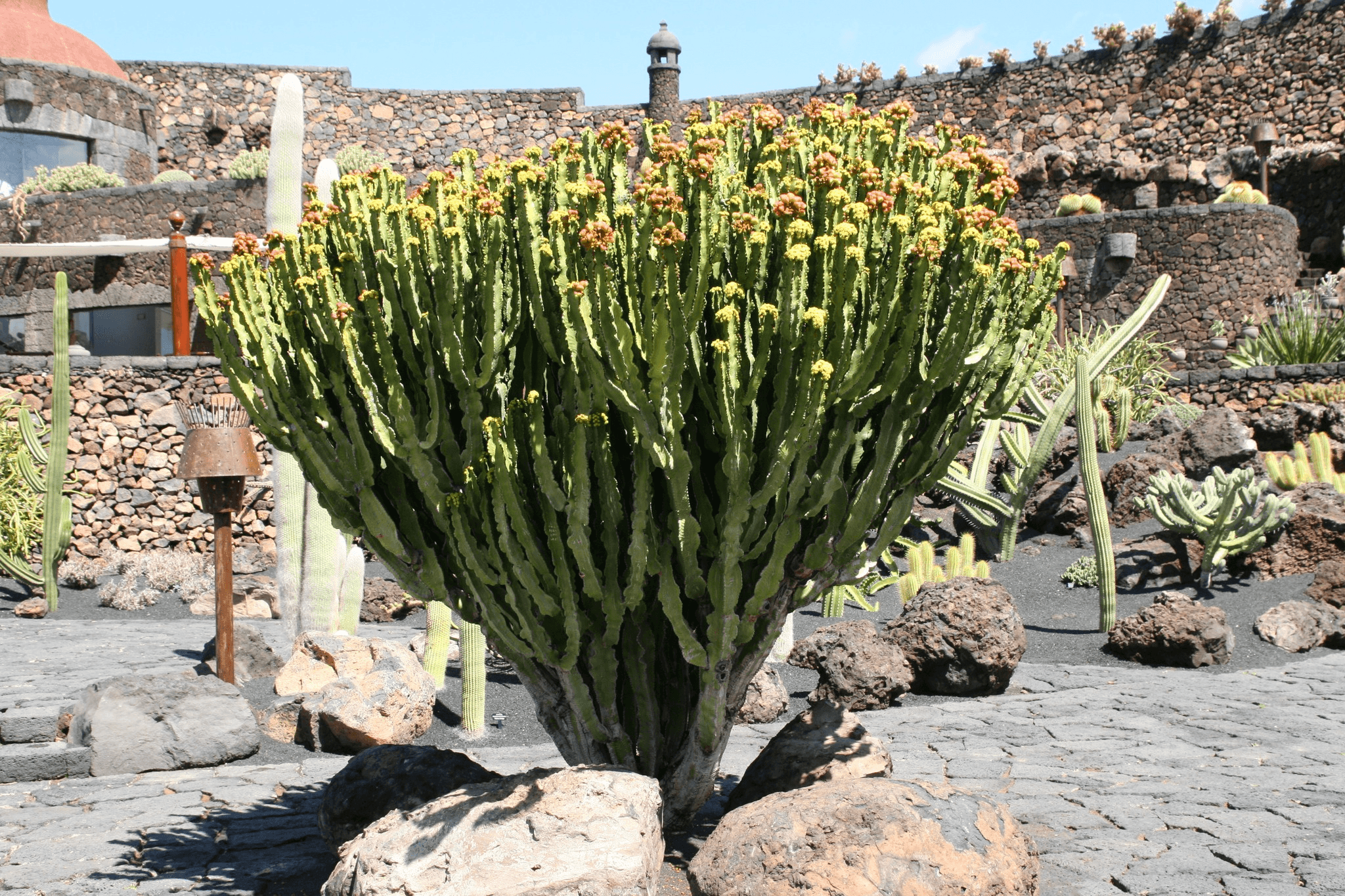
The Ethiopian king-serpent myth and the African Euphorbia link
Back when we dealt with volcanoes and myths about the battle between the storm god and the gods of the underworld and waters, I brought the example of Lake Tana in Ethiopia and the Blue Nile waterfall, as an ancient attempt to personify a volcanic natural phenomenon. Seemingly, this myth was an attempt to explain a…
-
Vampires
Porphyria is a rare hereditary disorder that affects the production of heme, a vital component of hemoglobin. Heme is essential for oxygen transport in red blood cells and for the healthy function of various other bodily systems. When its production is disrupted, toxic byproducts called porphyrins accumulate in the body, leading to a range of…
-
The turtle as a fertility symbol – due to the mandrake connection?
A pleasant anecdote I discovered today: If you search for the mandrake fruit around June, when it ripens, most of what you’ll find are partially eaten fruits. The ones eating them are tortoises, which help the mandrake with seed dispersal. Interestingly, the tortoise is also a folkloric symbol of courtship. Various plants whose flowers resemble…
-
1500 Years of Amulets against Scorpions
Amulets against scorpions have served as essential tools for protection from the dangers of nature throughout human history, especially in regions where scorpion stings were a common and serious threat. Magical traditions associated with scorpions developed from ancient Egyptian times to the modern era, adapting to the religious principles of Judaism, Christianity, and Islam. These…
-
Santa Claus is a psychedelic mushroom
This item, while not new to The New York Times, appeared yesterday on the Boing Boing blog. In 2010, Matthew Salton published a short video and article as part of The New York Times’ “Op-Doc” series, suggesting that Santa Claus, as we know him today, draws inspiration from the spiritual rituals of the Sámi shamans in Finland. Salton interviews Professor…
-
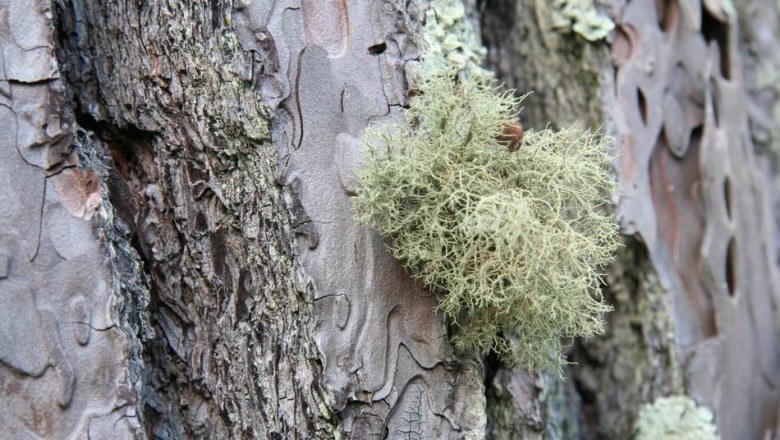
Laozi's lichen
The lichen Usnea diffracta looks like the long beard of an old man, which is also reflected in its common name. In Chinese folklore, it is called "Laozi's Beard," named after the Taoist sage who is said to have been born as a 62-year-old man with a long beard and large earlobes—both symbols of longevity…
-
Mythology and Malaria
Ancient cultures around the world intertwined mosquito-borne diseases, such as malaria, with mythology. People used gods, demons, and supernatural forces to explain the spread of these diseases. In the second chapter of his book, "The Mosquito," recently translated into Hebrew and originally published in English in 2019, Timothy C. Winegard provides several examples. Mesopotamian texts…
-
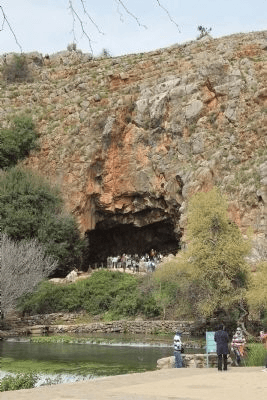
The Origin of Lag BaOmer
Today we celebrate Lag BaOmer. Lag BaOmer is a mysterious jewish holiday. There is no commandment in Jewish law to celebrate this day, and in fact, until recent generations, it was not the festival it has become recently. Secular Jews certainly did not celebrate it, and there was no defined "order" for how it was…
-
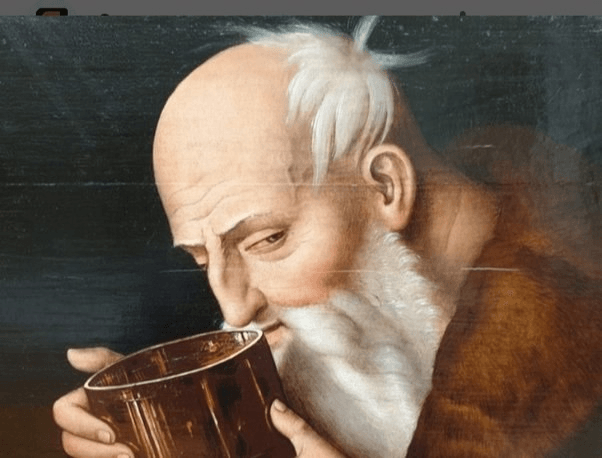
The wine as a satanic substitute for coffee according to the Arab legend
According to historians, the use of coffee as a common drink began in Yemen and the Arabian Peninsula in the 12th century. Its systematic cultivation as a domesticated plant began in Yemen probably in the 16th century, and it was called "mocha" after a city in Yemen. To this day he is called "the Yemenite"…
-
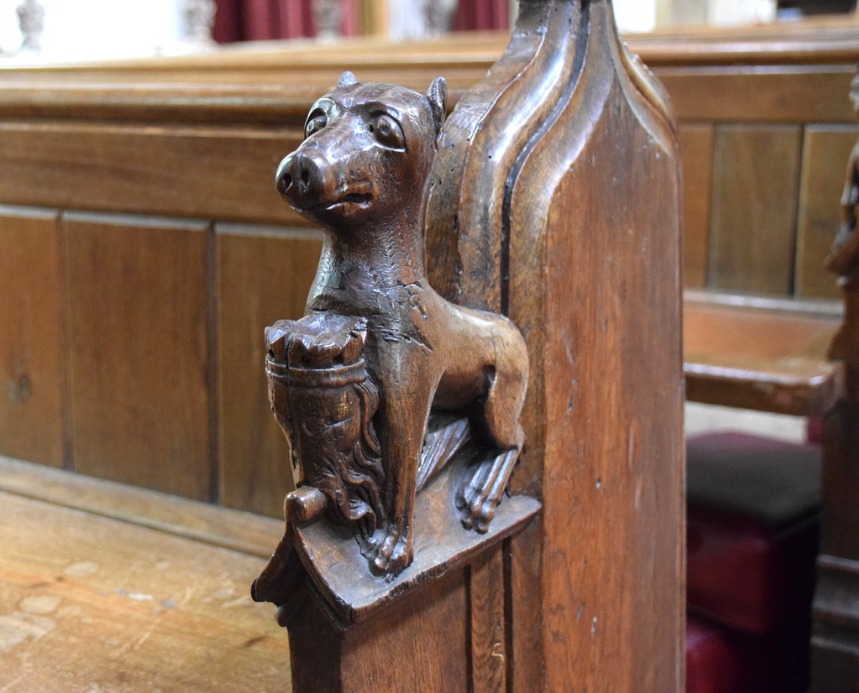
The Anglo-saxon wolf worship
The English ancestors, by necessity of being Germanic, adored the wolves. They saw in them the power of the wild, and the guardians of nature. But it turns out that at some point, evidently a Christian influence, since Christianity saw the wolf and the wild in general as a symbol of evil, the admiration for…