
תגית: Mythology
-
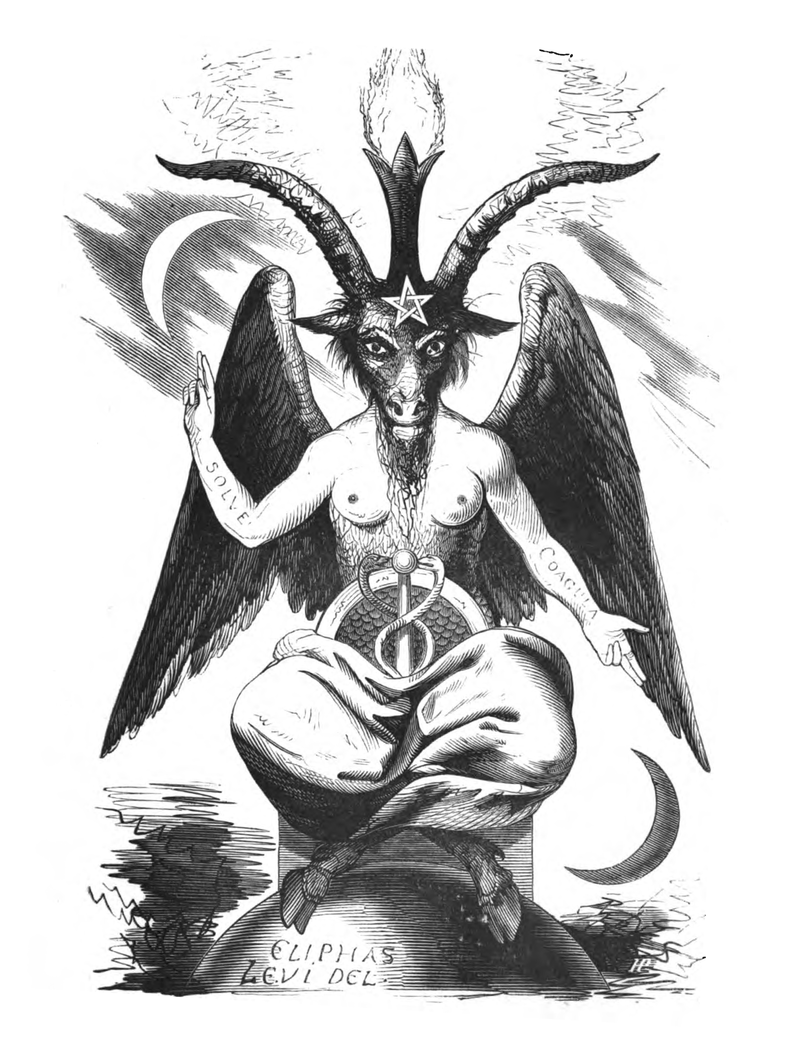
Pagan monotheization of amulets
One of the central moves in the transition to monotheism is the manner in which traits that were originally feminine — and especially apotropaic ones, that is protective qualities — were transferred to male figures, foremost among them Yahweh. A paradigmatic and symbolic example of this is the figure of the “Tsur (Rock),” a term…
-
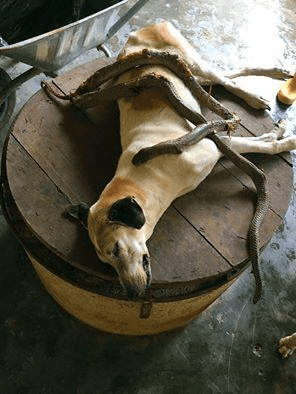
The dog as a psychopomp
The term "psychopomp" is derived from the Greek words "psyche" (soul) and "pompos" (guide). It refers to a being that guides souls to the afterlife, whether through death or reincarnation. Psychopomps can be human figures, animals, or gods. In many cultures, their role was to prepare souls for meeting the gods or to lead them…
-

The original meaning of salvation: of passersby
Crossroads in Ancient Greece were considered dangerous and unstable spaces, where boundaries became blurred and humans were exposed to supernatural forces. These were liminal spaces, and the Greeks believed that daimons — elusive, local spirits, sometimes hostile — dwelled there. The fear and sense of danger associated with them are evident in rituals performed at…
-
Vampires
Porphyria is a rare hereditary disorder that affects the production of heme, a vital component of hemoglobin. Heme is essential for oxygen transport in red blood cells and for the healthy function of various other bodily systems. When its production is disrupted, toxic byproducts called porphyrins accumulate in the body, leading to a range of…
-
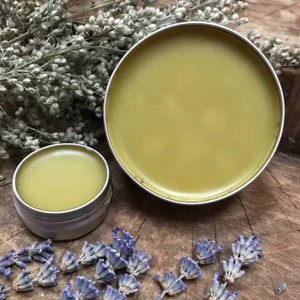
Mandrake ointment as the blood of the gods
In Greek mythology, the term "ichor" (ἰχώρ) refers to the life-fluid flowing through the veins of the gods—a kind of divine, ethereal “blood,” fundamentally different in nature from human blood. Homer, in the Iliad, describes how, when Diomedes wounds the goddess Aphrodite on the battlefield, red blood does not flow from her wound as one…
-
The amazing snakes
The book Slither by Stephen S. Hall is described in The New York Times Book Review as “important and groundbreaking,” being not merely a scientific book about snakes, but “a natural, cultural, ecological, and scientific reflection”. Ecological in the sense that, between its pages, Hall argues that humans label species as invasive in order to…
-
Vikings had a completely different relationship to animals than we have today
During the Viking Age, the relationship between humans and animals was spiritual and complex, with no clear hierarchy where humans were considered dominant over animals. This hierarchy only emerged with the Christianization of Scandinavia, at which point the belief faded, and animals were seen as either enemies of humans or simply their servants. The Vikings…
-
Greek shamans
"Iatromantis" (Ιατρωμάντις) was a title in ancient Greece used to describe a person who combined healing abilities with prophetic powers. This term refers to a seer-healer, a shaman or a divine man, a figure who merged medical knowledge with the ability to foresee the future or interpret symbols and mythological signs. In some cases, it…
-
Wolfsbane: A Poisonous Beauty
Aconitum, commonly known as “wolf’s bane” (bane for poison, like the henbane) or “monkshood”, is an ornamental plant renowned for its uniquely shaped flowers, but also infamous for its extreme toxicity. The toxic compound in Aconitum, called aconitine, is present in all parts of the plant, but is especially concentrated in the tuber and roots.…
-
Santa Claus is a psychedelic mushroom
This item, while not new to The New York Times, appeared yesterday on the Boing Boing blog. In 2010, Matthew Salton published a short video and article as part of The New York Times’ “Op-Doc” series, suggesting that Santa Claus, as we know him today, draws inspiration from the spiritual rituals of the Sámi shamans in Finland. Salton interviews Professor…