
תגית: bible
-
God is purple
A new book from Brill by Ephraim Ayil from Hillsdale College is available for free download: Identifying the Stones of Classical Hebrew. Why do we need another book on the identification of gemstones in the Bible after Zohar Amar's book, "The Charm of the Stone"? Ephraim Ayil responds, "This Hebrew book is a priceless resource…
-
The origins of Tel Arad's temple
In the ostracon found at Tel Arad, a significant number of names include the element "Yahu," which may indicate the worship of Yahweh by the Judeans or possibly Kenite origins. Benjamin Mazar proposed that the foundation story of Arad in Judges 1:16 suggests that the temple dedicated to Yahu was built by the Kenites. This…
-
Challenging Dan McClellan debunk of the Cannabis in Incense Myth
Dan McClellan is a Bible scholar who publishes videos in which he confronts misinformation about academic Bible and religion research. This time, he tackles the claim that the biblical incense included cannabis. According to McClellan, this claim is based on findings from the temple at Tel Arad and relies etymologically on the similarity between the…
-
The Molekh as an explanation to the Zeus and co myths
Sacrificing human offerings in Canaanite religion, especially offerings to deities like Baal, was a custom intended to ensure divine favor (article). The Carthaginians, descendants of the Canaanites, practiced child sacrifice. Classical sources describe the ritual sacrifices to Baal Hammon, where children were offered during crises to avert disasters or ensure victories. This practice is archaeologically…
-
Lesson in Biblical Rhetoric: evil beasts
Our starting point in this blog is that Judaism, or the religious layer of society that wrote the Bible, was shamanistic in nature, connected to the earth and the environment, and influenced by them in its imagery and associations. Whenever a plant or animal is mentioned, both the storytellers and the listeners knew exactly what…
-
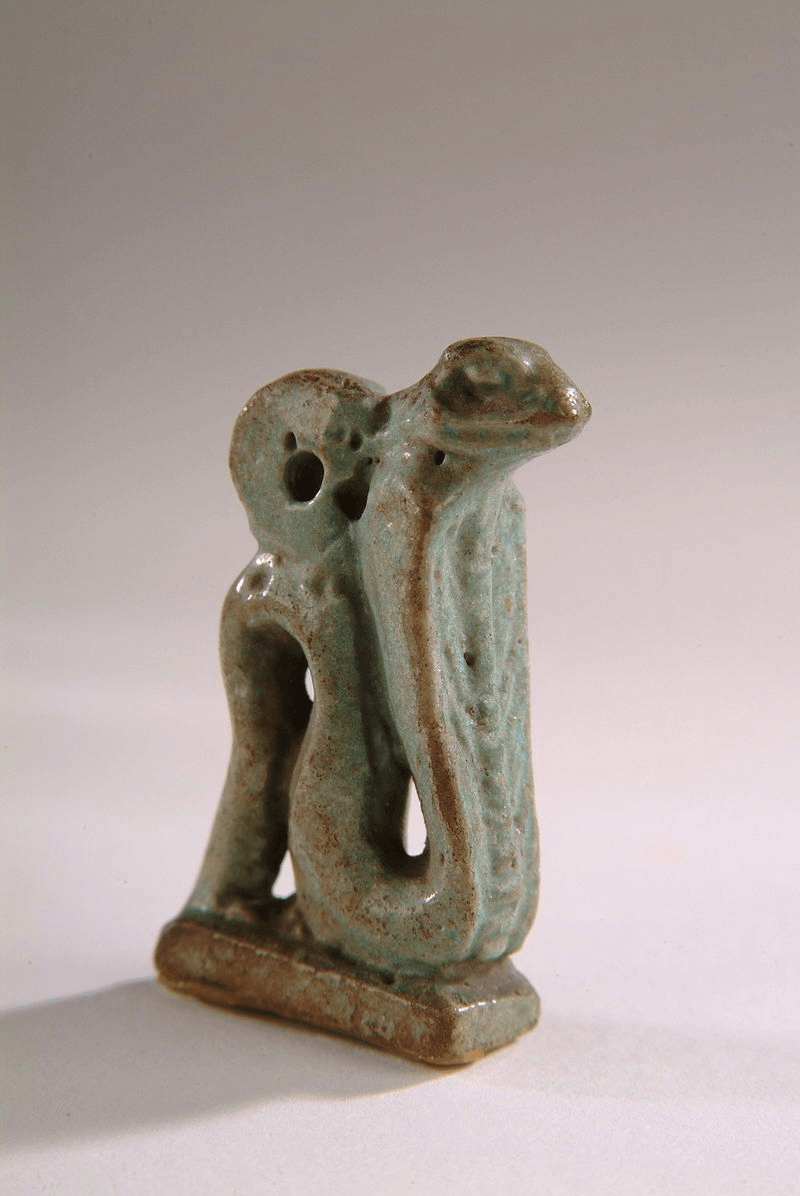
The Symbolism of the Hebrew Word "Nasi" and Its Potential Egyptian Origins
In Hebrew, "president" is "the most exalted of all", according to I Kings 1:5 and also according to the Nachmanides in his interpretation of the verse "You shall not curse God, and you shall not curse a president among your people" (Exodus 22:27). In Proverbs 25:13, it seems that the clouds are also called that…
-

the meaning of the hebrew word "Aviv" would indicate the biblical barley at Exodus as an early stage of the evolution of the cultivated barley, as opposed to the relatively more advanced stage of the wheat.
After the hailstorm plague in Egypt, it is told in the book of Exodus that the crop was mostly destroyed, but not entirely. "And the flax and the barley was smitten: for the barley was in the ear, and the flax was bolled. But the wheat and the spelt were not smitten: for they were…
-
The hebrew word for wine is borrowed from Indo-European
In the Bible there are many words in Hebrew that describe the vine, the products of the vine and the processing of the vine. On the one hand, this proves the centrality of the grapevine industry in the Hebrew-speaking culture in ancient times, but also probably proves a meeting between cultures. The duplication of words…
-
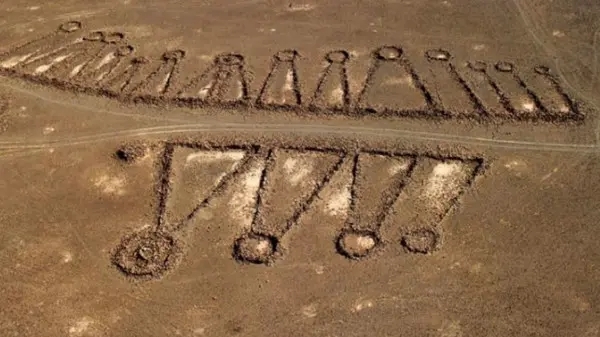
The volcano cult of the ancient Israelites
Israel Knohl publishes a new book in which he compares two stories of receiving the Torah. The first is receiving the Torah from a source of water (a spring), which in the Torah is mentioned as water of "Massah and Meribah" (Exodus 17, also: Exodus 15 as "Marah"). The second is receiving the Torah near…
-

Philistines used hallucinogenic… mushrooms?
We recently received scientific confirmation that the Philistines used hallucinogenic drugs as part of their religious worship. Well, Robert Graves already in 1960 raised his speculation about the worship of the Philistines, as if it was a worship of a psychedelic mushroom. It's not proven at all, but somehow it turns out from the Song…