
תגית: symbolism
-
Ancient collaboration between homo species in worship?
Researchers led by Professor Yossi Zeidner from the Hebrew University excavated in Tinshemet Cave and are drawing insights into the cooperation between Neanderthals and Homo sapiens during the Middle Paleolithic period (100,000+ years ago). One of the findings is that the cooperation between the groups led to similar, and perhaps shared, rituals, including the use…
-
Vikings had a completely different relationship to animals than we have today
During the Viking Age, the relationship between humans and animals was spiritual and complex, with no clear hierarchy where humans were considered dominant over animals. This hierarchy only emerged with the Christianization of Scandinavia, at which point the belief faded, and animals were seen as either enemies of humans or simply their servants. The Vikings…
-
A neolithic grain cult?
Researchers from the Autonomous University of Barcelona (UAB) argue that the discovery of grinding stones in Neolithic burials in Germany suggests that these were grain milling tools buried alongside individuals in ritual contexts. Several tools were found at different stages of their life cycle: some new, some lightly used, and some completely worn out. The…
-
The midwife as a symbol of wisdom
Midwives have been considered wise throughout history due to their critical role in the birthing process, which required not only a deep physiological understanding but also emotional, spiritual, and social insights. They played a central role in prehistoric and ancient communities, where their knowledge was unique, rare, and essential for human survival. In an era…
-
The snake as a symbol of yoga and altered states of consciousness
In Hindu mythology, there is a central myth describing the search for the nectar of immortality, Amrita. This nectar is what the gods seek and rely upon for sustenance. By drinking it, they gain access to supreme knowledge. Following a curse placed upon Indra, the king of the gods, the Devas (the benevolent beings) lost…
-
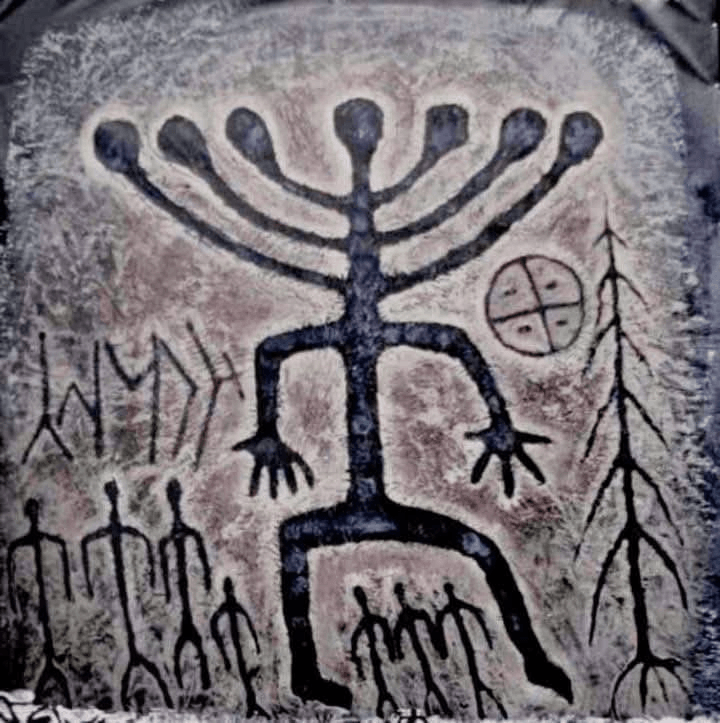
The Mystery of the Siberian Petroglyph: Symbolism, Myth, or Modern Fabrication?
I cannot find any references to this petroglyph, which was supposedly discovered years ago in Siberia. I am inclined to believe that if none of the databases recognize it, and the only places where it appears are Pinterest and Instagram, then it is likely fake. That being said, this object is meant to symbolize the…
-
Heavenly Horses: Myth, Reality, and the Symbolism of Power in Ancient China
Myth and reality intertwine in the story of the “Heavenly Horses”, creatures regarded as nearly supernatural beings in ancient Chinese culture. According to legends, these horses were extraordinarily fast, capable of covering a thousand li (approximately 400 miles) in a single day, and their movement was described as flying above the ground. Their bodies were marked…
-
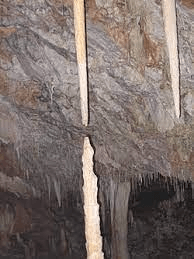
The caves as the doors of perception
Professor Ran Barkai will open the "Temple of Consciousness" lecture series tomorrow with a talk on the psychedelic experience in caves. Professor Barkai is an archaeologist and will likely focus on material findings that suggest entering a cave was a way for ancient people to experience altered states of consciousness. I doubt he will address…