
תגית: ethnobotany
-
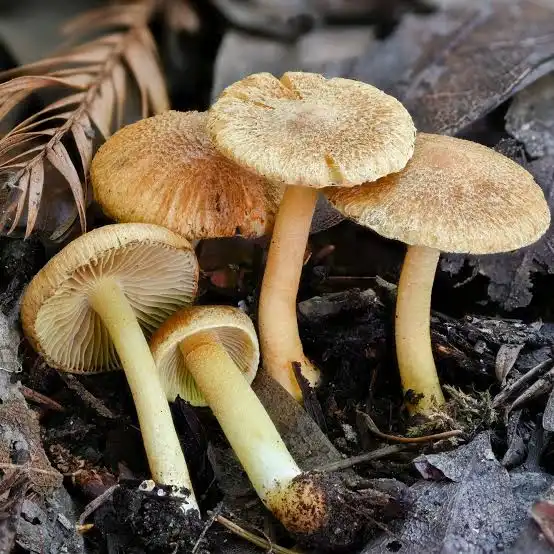
The beginning of the religion in psilocybin of the Inocybe…
A recent German study challenges previous assumptions about the evolutionary origins of psilocybin. A team led by Prof. Dirk Hoffmeister from Friedrich Schiller University in Jena discovered that two mushroom genera, Psilocybe and Inocybe, independently evolved completely different biochemical mechanisms to produce psilocybin. This phenomenon, known as convergent evolution, occurs when unrelated organisms develop similar solutions…
-
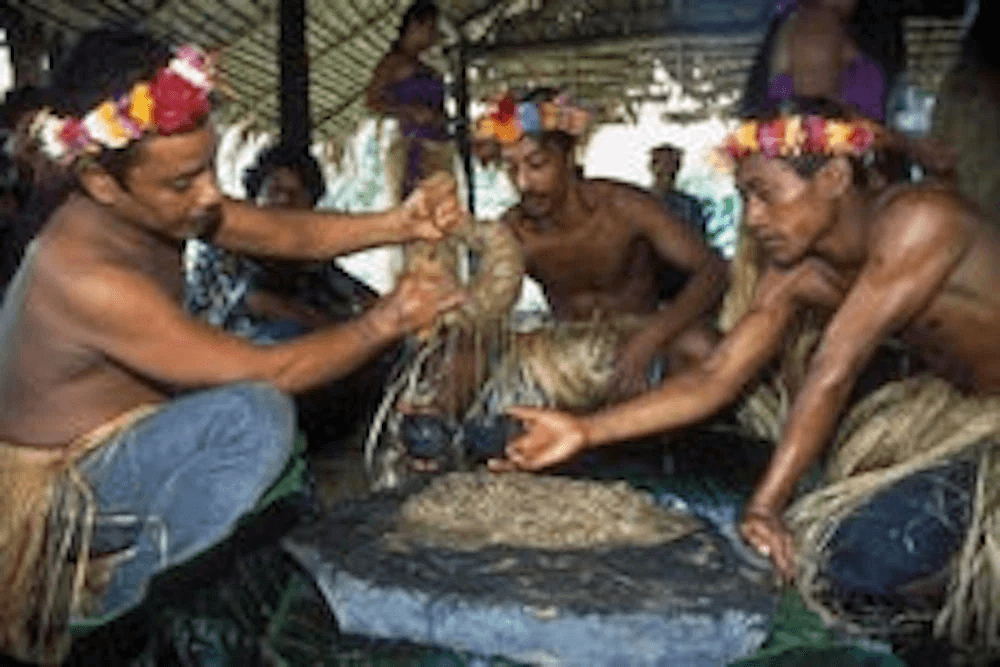
The place of “sakau” in the culture of the islanders of Pohnpei in Micronesia
Before I write about what I want to write, about kava/sakau, it is worth noting a confusion we are already aware of but continue to be confused by. In Hebrew, as well as in English, Spanish, and all the Western colonial languages and those that developed by borrowing from them, there is a constant confusion…
-
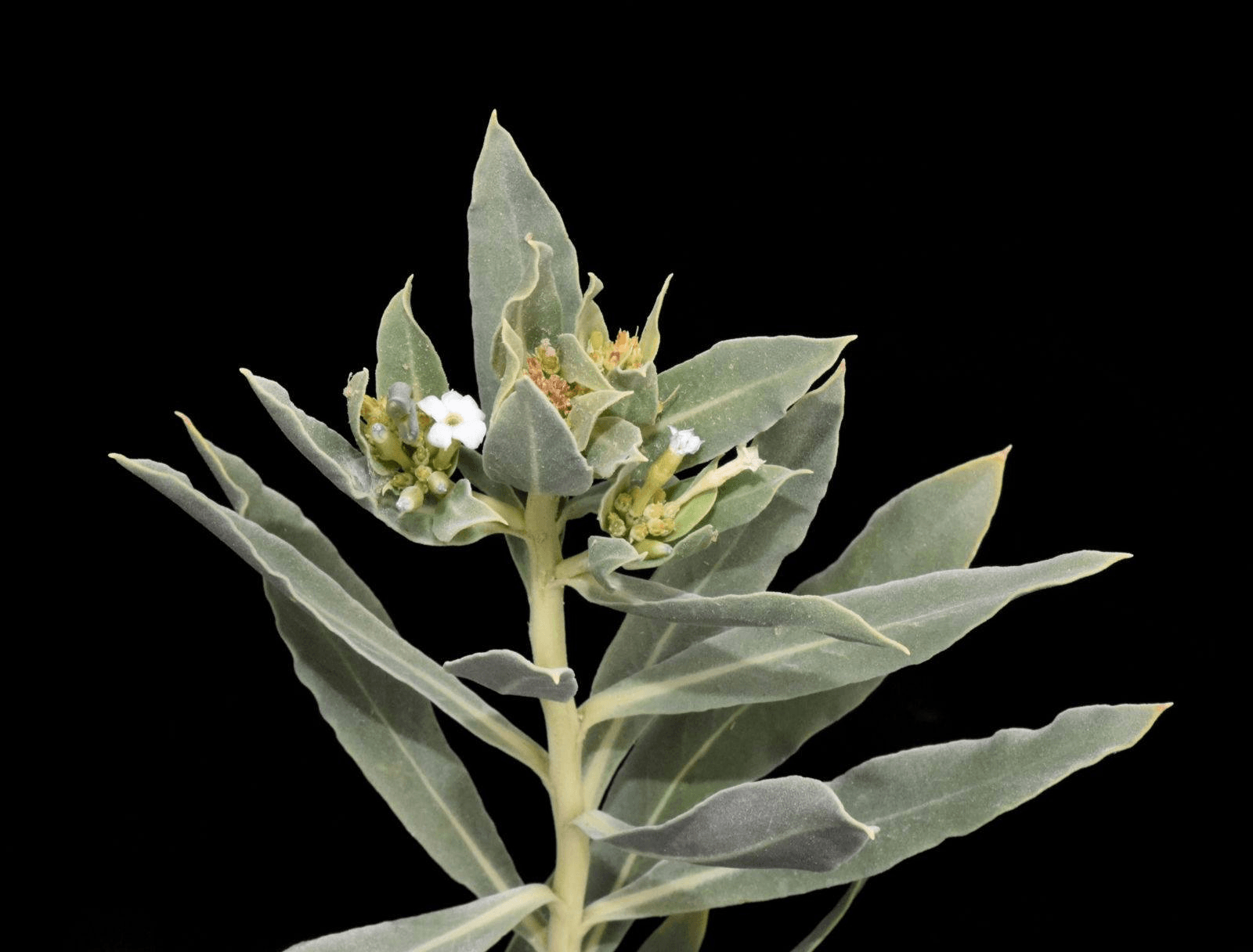
Is harmalan entheogen?
Before we get excited about what Benny Shanon claimed regarding the use of the Syrian Rue as a mind-altering plant among the Bedouins in the desert—I want to calm things down a bit. James Mandaville from the University of Arizona published, a few years ago, the first comprehensive ethnobotanical study of plant use among Bedouins…
-
Psychedelic party pooping
An Earthquake? Anthropologist Bernd Brabec de Mori, who lived among Western Amazonian tribes, challenges the common assumption: the use of ayahuasca in the region is not an ancient tradition spanning thousands of years, but rather a phenomenon that spread mainly over the past 300 years. According to him, the Shipibo people altered their stories to…
-
The blue lotus of today is not the blue lotus of ancient egypt
Products currently branded as blue lotus are significantly different from the plant used in ancient Egypt for several reasons. The first and most important reason is that today's products lack the psychoactive alkaloid present in the Nymphaea, nuciferine, and are not marketed as hallucinogenic plants but as mood and health enhancers—presumably because they are not…
-
What Kinds Of Drugs Were Used In Ancient Times?
Our ancestors used drugs to transcend the material world and deal with the fear of death. Drugs were seen as a way to connect with the spiritual and metaphysical aspects of life and were incorporated into rituals and social rites. Unlike today, where drugs are viewed as something to be prevented due to abuse and…
-
Evolution of Smell and Taste in Mandrake Plants: Geographic and Genetic Influences
Mandrake is a genus of three species belonging to the Solanaceae family. The mandrake is known for its intoxicating scent and sweet taste, often reported in folklore as an aphrodisiac, and it also has a reputation as a hallucinogenic plant. Like many other plants in the Solanaceae family, it contains various alkaloids, making it a…
-
The Haoma plant identification
"The Farvahar, the soul of Zarathushtra, descended into the physical world in the form of the um. The haoma – In Middle Persian hum, and in Sanskrit soma – is a plant that was used for worship purposes in the ancient Indo-Iranian religion. Scholars differ in their opinions regarding its identification. The meaning is "squeezing",…
-
Traces of hallucinogenic plants and chili peppers found at Maya ball court suggest rituals took place there
You probably know that game of the Indians that reminds of basketball and you have to throw a rubber ball into a vertical ring. Right? So it turns out that it was played in temples and before games sacrifices were made. or offerings were given. In a temple in the Mayan city of Yaxnohcah in…
-
Amots Dafni's "In search of traces of the mandrake myth"
Amots Dafni is Professor Emeritus of Botany at the University of Haifa. He does specialize in pollination, but in his last years before his retirement and even more so since his retirement, he delved into ethnobotany. As an expert on the pollination of mandrake, he became an authority on the ethnobotany of the plant. In…