
תגית: archaeology
-
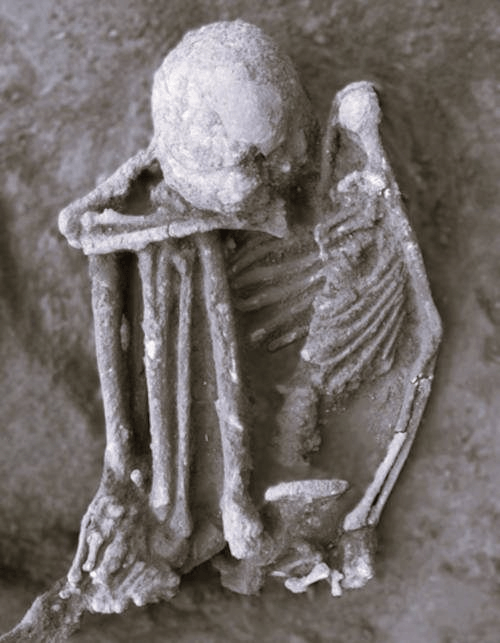
world’s oldest embalming form: smoking
The world’s oldest embalming practice has been discovered—not in Egypt or South America, but in southern China, Vietnam, and Indonesia, dating back some 12,000 years. This is the conclusion of new research published in PNAS. The embalming, it appears, was carried out through smoking of the body, and it predates by thousands of years parallel…
-
From Yahwism to Judaism
Prof. Yonatan Adler from the Department of Land of Israel Studies and Archaeology at Ariel University is expected to publish his second book very soon, in the coming weeks, through Cambridge University Press. In the first two weeks after its release, it will be available for free download as an e-book. To mark the occasion,…
-
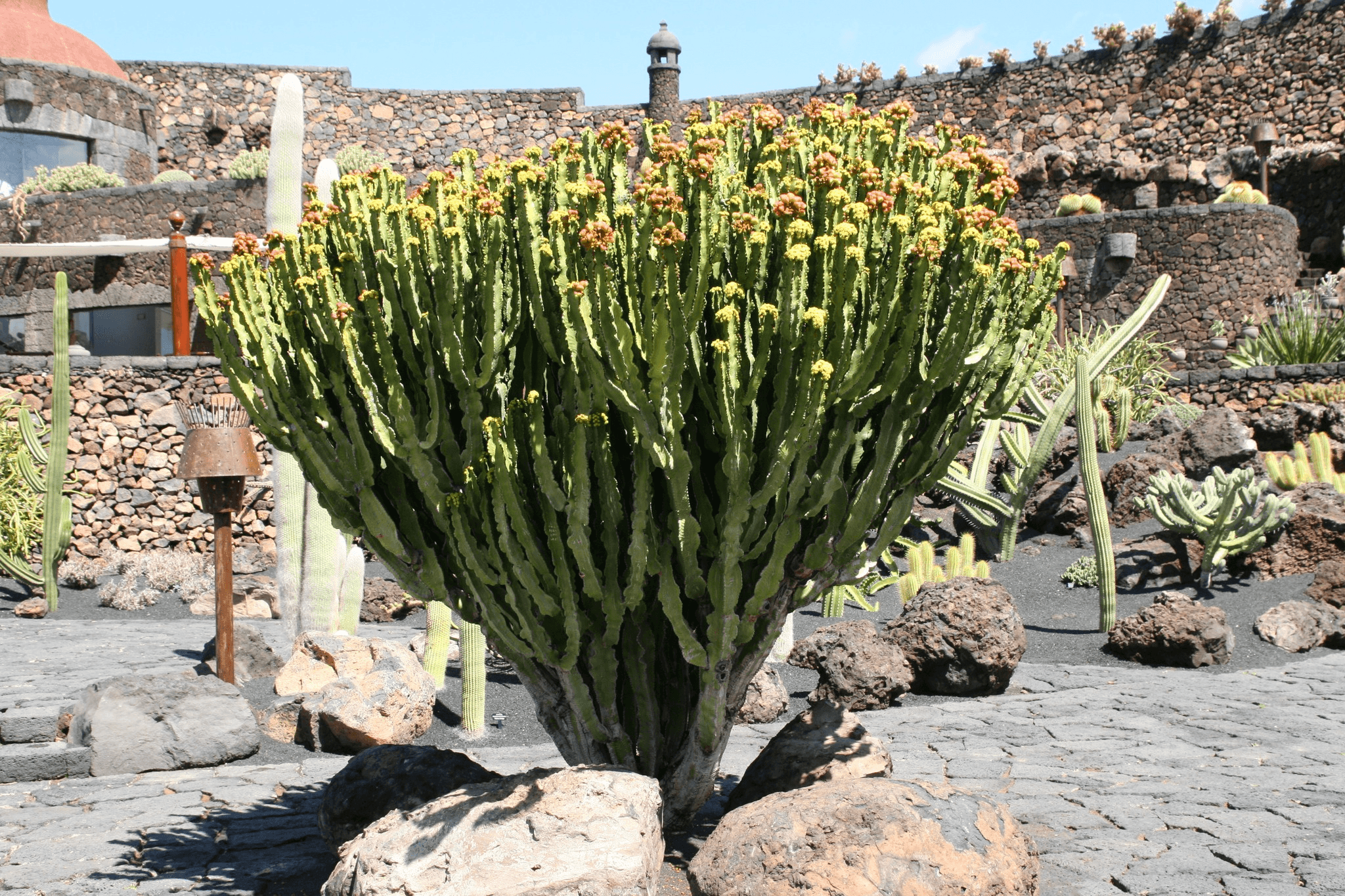
The Ethiopian king-serpent myth and the African Euphorbia link
Back when we dealt with volcanoes and myths about the battle between the storm god and the gods of the underworld and waters, I brought the example of Lake Tana in Ethiopia and the Blue Nile waterfall, as an ancient attempt to personify a volcanic natural phenomenon. Seemingly, this myth was an attempt to explain a…
-

Syrian rue as an apotropaic agent
A new study published in Communications Biology presents the earliest known evidence of the use of the plant Peganum harmala (Syrian rue) to produce incense and smoke—most likely for medical, sanitary, and perhaps consciousness-altering purposes. The findings, uncovered at the ancient oasis settlement of Qurayyah in northwestern Saudi Arabia, date back approximately 2,700 years and…
-
Cosmic symbols found on artifacts placed in a hidden cave chamber by lost civilization
The Tlacotepehua are a people considered almost entirely unknown—their name appears only in a few colonial sources from the 16th century, and they likely existed in the Sierra de Guerrero mountain region. A discovery in the Tlayócoc Cave, located in these mountains and attributed to this culture, reveals a glimpse into their world. While the…
-
Psychedelic beer for peace
The Wari civilization, a pre-Columbian culture that preceded the Inca, ruled the Andean highlands of Peru approximately between 500 and 1000 CE. At the site of Quilcapampa, which was active during the height of Wari culture, archaeologists discovered remains of chicha—a traditional fermented beer—and 16 seeds of vilca. Vilca is a psychoactive plant from the…
-
Modified Human Bone as music instuments
Human bones discovered at Late Prehistoric archaeological sites along the Gulf Coast of Mexico appear to have been intentionally modified and transformed into musical instruments used in shamanic rituals for healing or communication with the dead. Among the most striking finds is a humerus bone that was repurposed as a percussion instrument known as a…
-
Neolithic Hunger Games
Başur Höyük is an archaeological site in southeastern Turkey, near the city of Siirt, situated on the banks of the Upper Tigris River. The site dates back to the Early Bronze Age, approximately between 3100–2800 BCE, and was part of the broader cultural sphere of northern Mesopotamia. Excavations conducted at the site since 2008 have…
-
Romano-British dog sacrifice
The practice of dog sacrifice appears throughout the history of the ancient world across various regions, time periods, and cultural, religious, and social contexts. Although dogs were often regarded as companion animals, in many cultures they also served as sacred beings, intermediaries between worlds, and at times, as ritual sacrifices. For our purposes, the following…
-
Celtic horse worship
An impressive Iron Age archaeological hoard has been discovered in North Yorkshire, comprising over 800 items. The findings are attributed to the Brigantes tribe, who dominated northern England during this period. The artifacts include decorated chariot parts used in both daily life and ceremonial contexts, ornate horse harnesses suggesting rituals associated with horses, ceremonial spears…