
תגית: Greek mythology
-
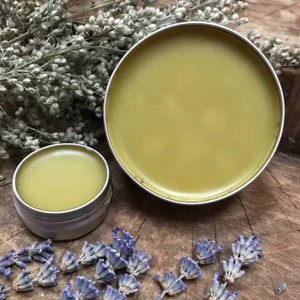
Mandrake ointment as the blood of the gods
In Greek mythology, the term "ichor" (ἰχώρ) refers to the life-fluid flowing through the veins of the gods—a kind of divine, ethereal “blood,” fundamentally different in nature from human blood. Homer, in the Iliad, describes how, when Diomedes wounds the goddess Aphrodite on the battlefield, red blood does not flow from her wound as one…
-
Greek Mythology and Cannibalistic Rituals: Sacrifice, Dismemberment, and Rebirth
Greek mythology is filled with stories of cannibalism, savage sacrifices, and the dismemberment of bodies—rituals that later became the foundation for religious ceremonies. These practices included the ritualistic dissection of sacrificial victims, focusing on specific organs, which symbolized the beginning of their rebirth and the bestowal of divine blessing. Both Orpheus and Dionysus were dismembered—Dionysus was…
-
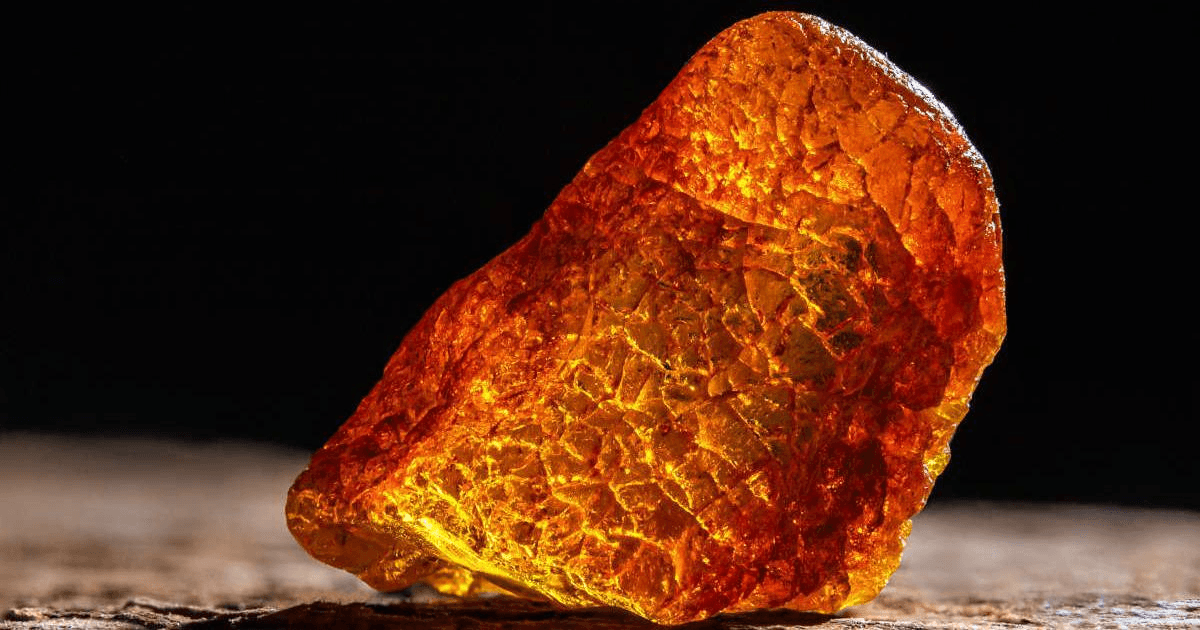
The amber as sun god worship
Polish archaeologists have discovered that in Mycenaean culture (pre-Homeric ancient Greece, late Bronze Age), amber was used as a symbol of high social status and as part of sun worship. Amber was found in the lavish graves of Mycenaean elites, mainly in the form of jewelry and ornaments, indicating its social and spiritual significance. Amber…
-
Rationalizing the Minotaur myth
According to Greek mythology, King Minos of Crete had a labyrinth at Knossos. He would place unlucky victims in the labyrinth to be killed by the Minotaur, a half-man, half-bull monster. Although this might seem entirely unrealistic, there is evidence that the origin of this myth may be connected to the historical Minoan civilization. First…
-
The Hidden Connections Between Purification Rituals in Judaism and Greek Mythology
Asclepius (Aesculapius / Ἀσκλήπιος) is considered in Greek religion as the god of medicine, or rather as the god of purification, both spiritual and physical. He is regarded as the son of Apollo from a mortal woman who underwent deification by the intervention of Zeus, similar to Dionysus. Like Dionysus, he was also saved from…
-
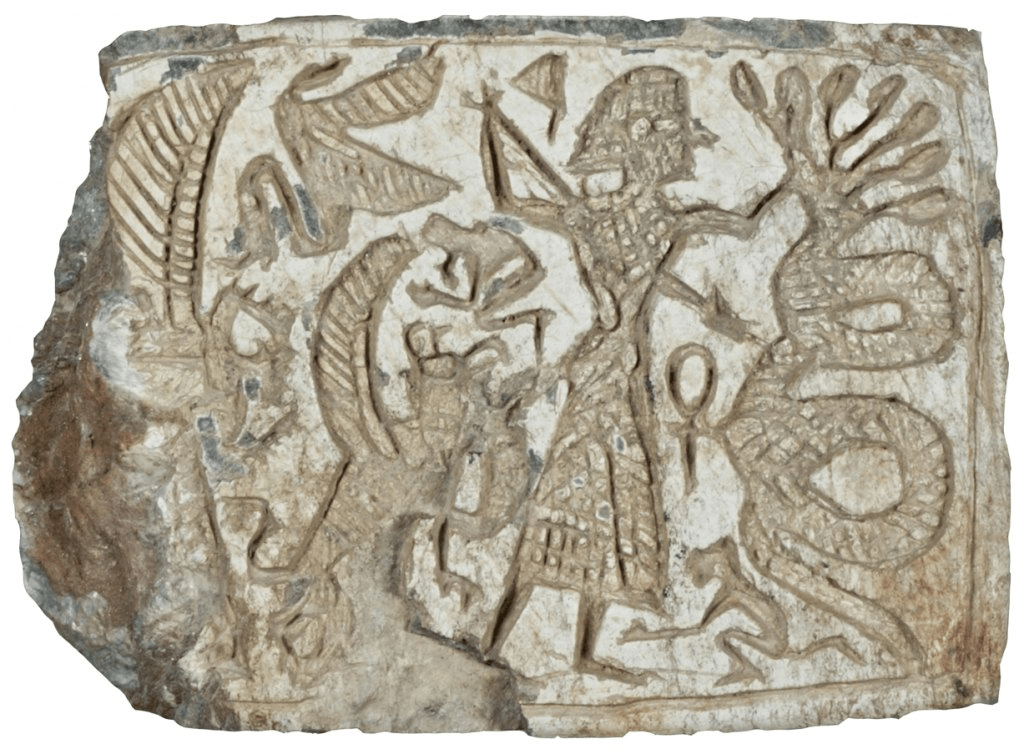
Mastering the Seven-Headed Serpent
About two years ago, a small seal from the eighth century BCE was found at Tel Hazor, excavated in the acropolis of the site. The seal depicts a scene of a warrior fighting a seven-headed serpent, along with other hybrid creatures such as a griffin, a winged scarab, and a winged cobra. Professor Christoph Uehlinger…
-
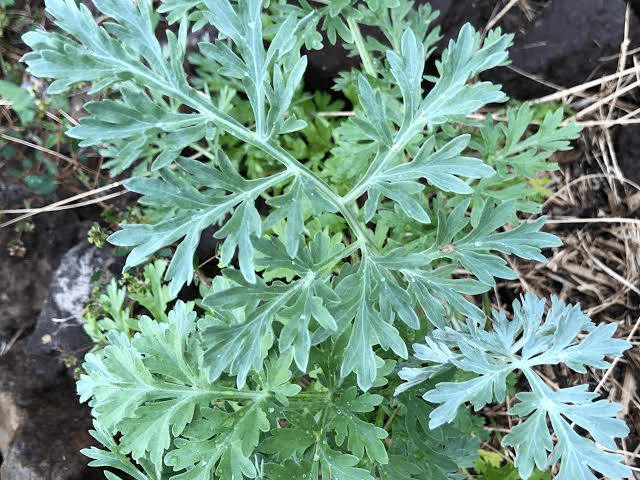
Artemis and Artemisia
The historical association of wormwood is linked to various gynecological uses in ancient medicine. It was used to treat various menstrual problems such as dysmenorrhea and menstrual irregularities, including the absence of menstruation (amenorrhea), as well as aiding in childbirth and treating inflammations such as endometriosis. Therefore, this is also what gave it its name,…
-
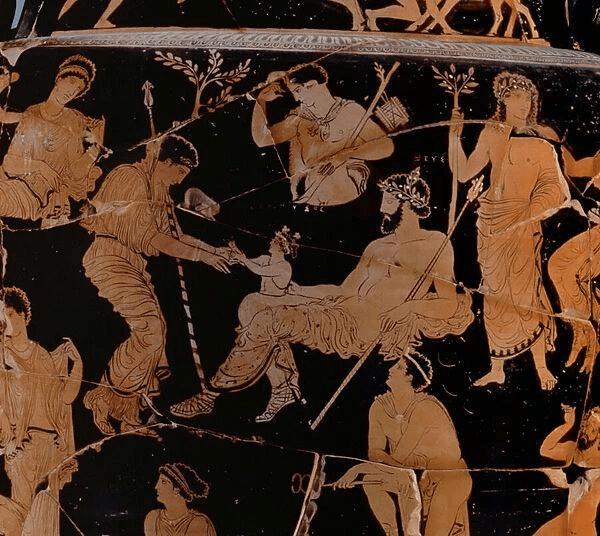
The etymology of Dionysus
The meaning of the name Dionysus is the god from "Nysa". Erroneous etymologies associate the name Dionysus with "the twice-born", as well as with "limp of Zeus", to allude to the story of the birth of Dionysus. The story goes like this: Zeus and Hera were married, but Zeus fell in love with all kinds…
-
bee orchid made of cattle seed
The bee orchid is a type of orchid whose flower resembles a bee, and it also releases pheromones that seem like enticing the male bees to come and mate with the flower and thereby pollinate the flower without their knowledge, after the pollen sticks to their bodies and passes to other flowers. Orchids in general,…