
תגית: spirituality
-
Religious Ecstasy as part of the structure of the human soul
The goal of the book "The Bloomsbury Handbook of Religious Ecstasy" is to argue that ecstasy is not a deviation from the norm and not a marginal phenomenon, but the opposite: it is part of the structure of the human soul. The human soul seeks it and finds it even today, when religion has changed…
-
Vikings had a completely different relationship to animals than we have today
During the Viking Age, the relationship between humans and animals was spiritual and complex, with no clear hierarchy where humans were considered dominant over animals. This hierarchy only emerged with the Christianization of Scandinavia, at which point the belief faded, and animals were seen as either enemies of humans or simply their servants. The Vikings…
-
The connection between psychedelics and death fear
A study conducted in Brazil with 517 participants (through an online survey from April to June 2022) examined the relationship between psychedelic use and death anxiety. The researchers aimed to determine whether people who use psychedelics experience less fear of death compared to those who have never used them. They also sought to understand the…
-
The revival of Korean shamanism
Korean shamans, known as Mu (무) or Mudang (무당) in Korean, are representatives of an ancient spiritual tradition rooted in communication with higher entities, spirits, and ancestors. This spiritual tradition, called Musok (무속), is a central element of Korean culture and folklore. The primary role of shamans is to perform rituals known as Gut (굿),…
-
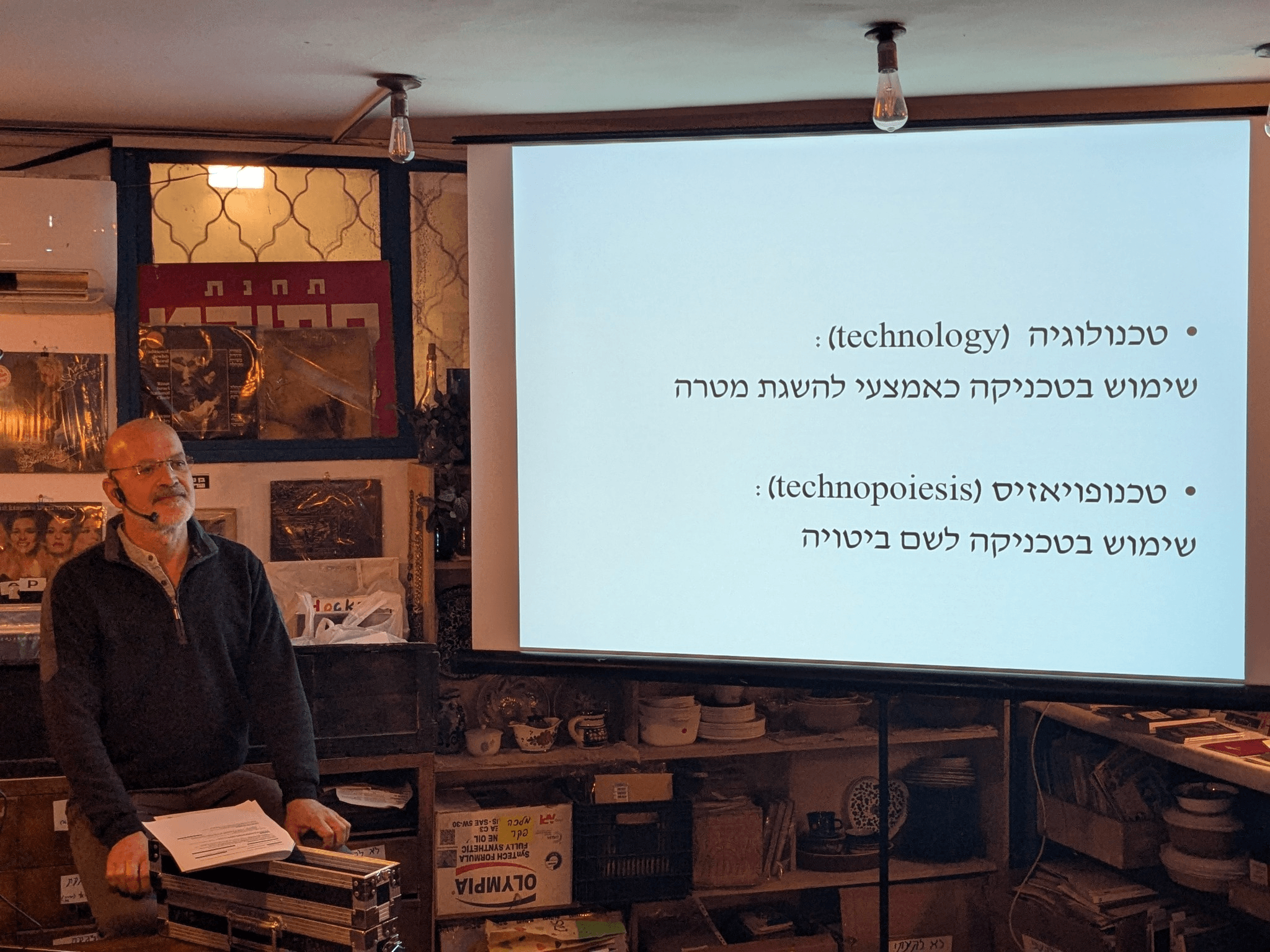
Technopoiesis and testimonial artifacts
Yesterday marked the sixth and final lecture in the current series of “Temple of Consciousness” talks. The series was a success. It served as a pilot to gauge interest, and the demand and engagement proved it to be both fascinating and mind-blowing. Dr. Amzallag’s lecture on Technopoiesis was a testament to this. The lecture itself…
-
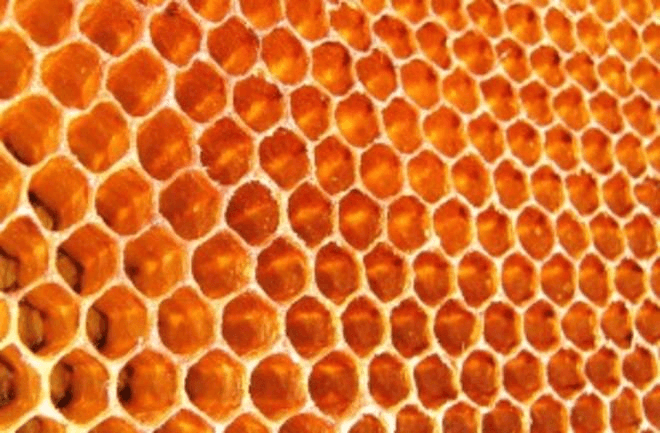
The Bee as a Messenger of Wisdom: Insights from Proverbs and Ancient Traditions
A few further thoughts on the bee’s role as a messenger of wisdom. The bee, as a divine courier of wisdom, smuggles deliveries from the celestial dealer. Interestingly, the Septuagint translates the verse “Go to the ant, you sluggard; observe her ways and become wise” as if it refers to the bee instead of the ant.…
-
Silk and Spirituality: Unveiling the Ritual Significance of Ancient Sericulture in China
Researchers from the China National Silk Museum and the Sichuan Research Institute of Cultural Relics and Archaeology have published a groundbreaking study in Scientific Reports revealing the first archaeological evidence of silk’s cultural and religious significance in ancient China. Before silk became a major export commodity, it played a central role in rituals and may even have…
-
The sacred bee
Bees have inspired mystery due to their unique way of life within the hive. They live in complete darkness, and much of their activity remains hidden from human eyes. Even today, with advanced technologies, our understanding of the inner workings of the hive is limited. This sense of mystery is heightened by the perception of…
-
The Case for Religious Use of Psychedelics: Beyond the Medical Model
Dr. Paul Ryder, founder of the Congregation for Sacred Practices (CSP), writes in an article for Lucid News advocating for the adoption of the religious model over the medical model when engaging with psychedelics. The medical model focuses on reducing symptoms in conditions such as depression, anxiety, and PTSD, reducing psychedelics to a limited clinical role while…
-
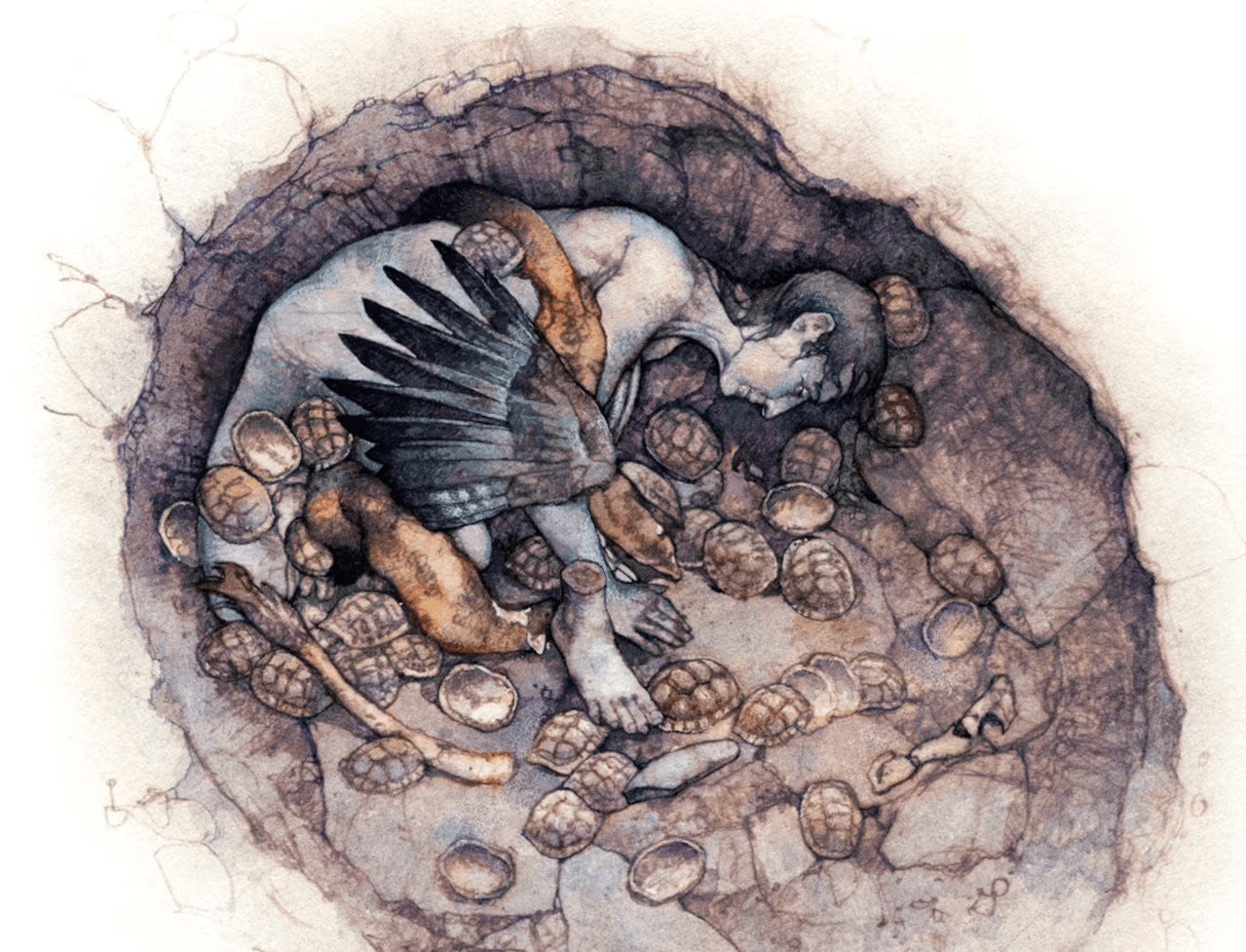
The Disabled Shamans
While in the modern world, disability is often viewed as a state of physical or mental weakness, in many ancient cultures, those with disabilities were not perceived this way at all. On the contrary, they were empowered, respected, and even attributed with special spiritual abilities. In the indigenous cultures of Central and South America, people…