
חודש: מרץ 2025
-
Neolithic Hunger Games
Başur Höyük is an archaeological site in southeastern Turkey, near the city of Siirt, situated on the banks of the Upper Tigris River. The site dates back to the Early Bronze Age, approximately between 3100–2800 BCE, and was part of the broader cultural sphere of northern Mesopotamia. Excavations conducted at the site since 2008 have…
-
״משחקי הרעב״ הניאוליתיים
באשור הויוק (Başur Höyük) הוא אתר ארכאולוגי בדרום־מזרח טורקיה, סמוך לעיר סירט (Siirt), השוכן על גדות נהר החידקל העליון. האתר מתוארך לתקופת הברונזה הקדומה, בערך בין השנים 3100–2800 לפנה"ס, והיה חלק מהמרחב התרבותי של מסופוטמיה הצפונית. במהלך חפירות שנערכו באתר משנת 2008 ואילך, התגלו קברים מונומנטליים יוצאי דופן בגודלם ובעושר החפצים שנמצאו בהם – כלי…
-
Romano-British dog sacrifice
The practice of dog sacrifice appears throughout the history of the ancient world across various regions, time periods, and cultural, religious, and social contexts. Although dogs were often regarded as companion animals, in many cultures they also served as sacred beings, intermediaries between worlds, and at times, as ritual sacrifices. For our purposes, the following…
-
הקרבת כלבים רומית-בריטית
נוהג הקרבת כלבים מופיע לאורך ההיסטוריה של העולם העתיק במספר אזורים, תקופות והקשרים תרבותיים, דתיים וחברתיים. למרות שהכלב נתפס לעיתים קרובות כחיית לוויה, במספר תרבויות הוא שימש גם כחיה מקודשת, מתווך לעולם שמעבר, ולעיתים אף כקורבן טקסי. לענייננו נעסוק בטקסט להלן בנוהג הרומי והיווני, הכלב היה בעצם החיה המקודשת להאדס אל השאול ולהקטה, בת לוויתה…
-
Celtic horse worship
An impressive Iron Age archaeological hoard has been discovered in North Yorkshire, comprising over 800 items. The findings are attributed to the Brigantes tribe, who dominated northern England during this period. The artifacts include decorated chariot parts used in both daily life and ceremonial contexts, ornate horse harnesses suggesting rituals associated with horses, ceremonial spears…
-
פולחן הסוסים הקלטי
בצפון יורקשייר התגלה אוצר ארכיאולוגי מרשים מתקופת הברזל, הכולל יותר מ-800 פריטים. הממצאים מיוחסים לשבט הבריגנטים, ששלט בצפון אנגליה בתקופה זו. החפצים שנמצאו כוללים חלקים מעוטרים של עגלות, שהיו בשימוש יומיומי וטקסי, רתמות סוסים מעוטרות, שיכולות להעיד על טקסים הקשורים לסוסים, חניתות טקסיות ששימשו בטקסים דתיים והקרבות לכבוד האלים וכן קדרות מעוטרות שיכולות לשמש להנחת…
-
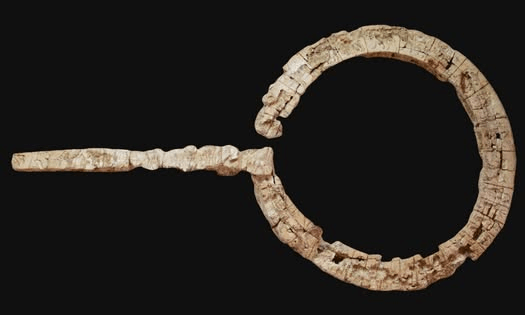
Religious use in Linear A
Linear A is the earliest known syllabic script, used in Minoan Crete. Linear B, which is composed of similar but phonetically different signs, was deciphered in the 1950s. However, Linear A has not yet been fully deciphered, partly because it was not written in any known language. While Linear B represents a language close to…
-
שימוש דתי בכתב לינארי A
הכתב הלינארי A הוא הכתב ההברתי המוקדם אי פעם, שהיה בשימוש בכרתים המינואית. הכתב לינארי ב׳ שמורכב מתווים דומים אך שונים מבחינה פונטית, פוענח בשנות החמישים של המאה ה-20, אך הכתב לינארי א׳ עוד לא פוענח לחלוטין, בין השאר בגלל שהוא לא נכתב בשפה מוכרת. בעוד הכתב לינארי ב׳ נכתב בשפה שקרובה ליוונית, שמכונה ״מיקנית״,…
-
הלוטוס הכחול של היום זה לא מה שהיה פעם
המוצרים הממותגים כיום כלוטוס הכחול שונים באופן משמעותי מהצמח ששימש במצרים העתיקה, מכמה סיבות, כשהראשונה והחשובה מהן היא שהמוצרים כיום חפים מהאלקלואיד הפסיכואקטיבי הפעיל בנימפאה, נוציפרין, וגם לא משווקים כצמח הזיה אלא כמשפרי מצב רוח ובריאות – מן הסתם כי הם לא פוטנטיים. המוצרים הנמכרים באינטרנט הם לרוב סוגים אחרים של שושנות מים שאינם פסיכואקטיביים,…
-
The blue lotus of today is not the blue lotus of ancient egypt
Products currently branded as blue lotus are significantly different from the plant used in ancient Egypt for several reasons. The first and most important reason is that today's products lack the psychoactive alkaloid present in the Nymphaea, nuciferine, and are not marketed as hallucinogenic plants but as mood and health enhancers—presumably because they are not…