
חודש: פברואר 2024
-
Biblical Hi-Tech manifest
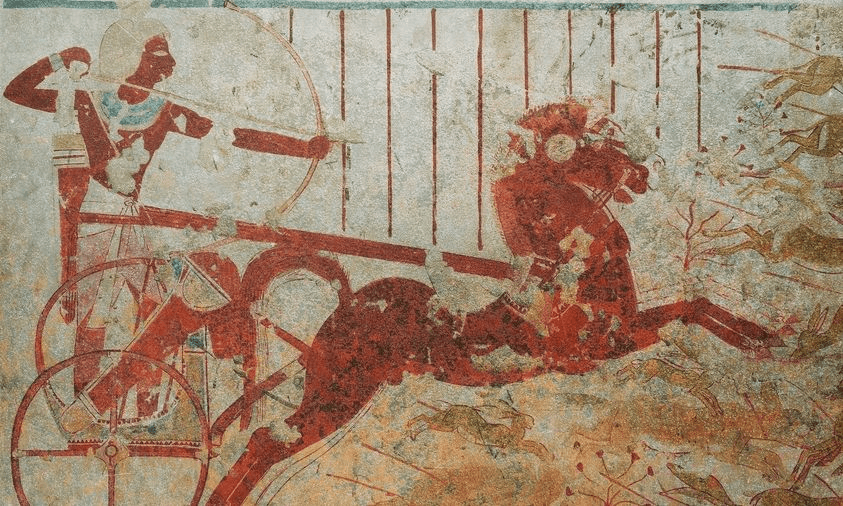
High-tech worship appears to have been in the Bible among the Israelites towards the philistines' technology. In the Bible, the Israelites are often described as a technologically backward nation after their enemies. The Gentiles come from cultures where blacksmithing were widespread and developed, and the tools of war were chariots with metal wheels and horses.…
-
Iron Age and Roman times artefacts have been found in a boggy field thought to once have been a sacred spring
Artifacts from the Iron Age and the later Roman period have been discovered in a boggy field on the Isle of Anglesey in Wales. According to the location where the objects were found and considering the geographical area, it is assumed that this was a temple built around a spring sacred to the Celtic Druids…
-
Plant-related Philistine ritual practices at biblical Gath
Through research on plants found in Philistine temples at Tell eṣ-Ṣâfī, which is identified as the Biblical Gath, researchers from Bar-Ilan University have gained insights into Philistine ritual rituals and beliefs, the food ingredients of their temple, the timing of the rituals and plants for decorating the temples. Among other things, ritual uses of some…
-
Tziporen is Saffron and derived etymologically from the birds' claw and feathers
One of the symbols of incense is the tziporen and the question arises as to what it is of course, and why it is called that. Tziporen is thought to be clove, probably because its buds are sharp and resemble fingernails. But for me it doesn't make sense. Let me explain. At this point, it…
-
What can Jewish mysticism teach us about psychedelics
Is mystical Judaism psychedelic? Jay Michaelson claims that there is a chance to say maybe. Jay Michaelson is a journalist, lawyer, environmental activist, LGBT rights, and also a rabbi. and a teacher of Buddhism. So from this point of view, Judaism is not really psychedelia but rather one of the ways to implement the eternal…
-

The Tachash as the colorful unicorn
A little more about this past week's portion: it is said that some of the donations to the Temple included "ram skins dyed red and skins of Tachash". The skins of the Tachash were used to create the curtains that covered the tabernacle and its furniture: the menorah, the golden altar, the sevice vessels and…
-
entheogens in the tabernacle?
Last week we read the portion of Teruma, one of the most entheogenic passages in the Bible due to the many mentions of the shittim trees and the shesh moshzar. The shittim trees are considered (by Benny Shanon & Co.) to be trees containing DMT, and the shesh moshzar is considered by John Kitto to…
-
Taste shaped the use of botanical drugs
According to new research, taste and smell have played a significant role in medical practices since ancient times. The ancient physicians tried to explain it in different ways, such as for example according to the theory of humors, as if certain organs that are characterized by a certain type of humor, should receive medicine with…