
חודש: מאי 2024
-
Why Manichaeans had fondness with red mushrooms
R. Gordon Wasson writes on his "Soma: Divine Mushroom of Immortality" pages 71-73 about the fondness Manichaeans had to mushrooms, red ones, and hence, Amanita Muscaria aka Soma, he suggests. Wasson credits St. Augustine, citing his "On the Morals of the Manichaeans", when he condemns those who eat mushrooms. The original word in Augustine's is…
-
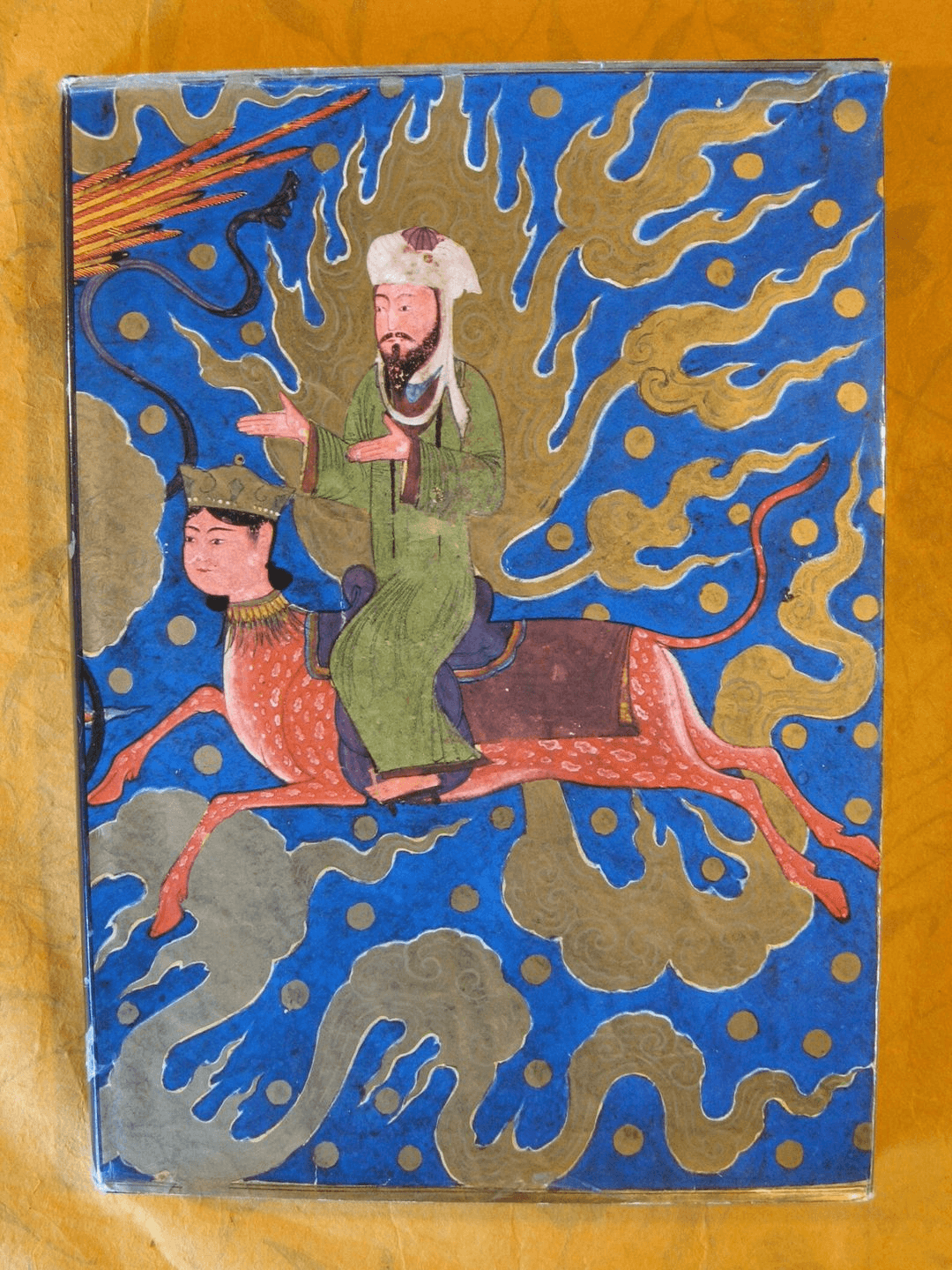
al Burāq as Amanita muscaria
The Mi'raj-Nameh is a text written in the 15th century in Khorasan, commissioned by Shah Rukh, the son of Timur. The text draws inspiration from the 17th sura of the Quran and describes the night journey of Muhammad (hence its name, Mi'raj. The name of the night journey is Isra and Mi'raj). According to tradition,…
-
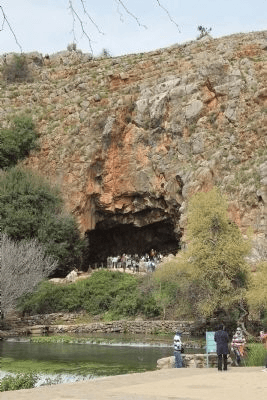
The Origin of Lag BaOmer
Today we celebrate Lag BaOmer. Lag BaOmer is a mysterious jewish holiday. There is no commandment in Jewish law to celebrate this day, and in fact, until recent generations, it was not the festival it has become recently. Secular Jews certainly did not celebrate it, and there was no defined "order" for how it was…
-
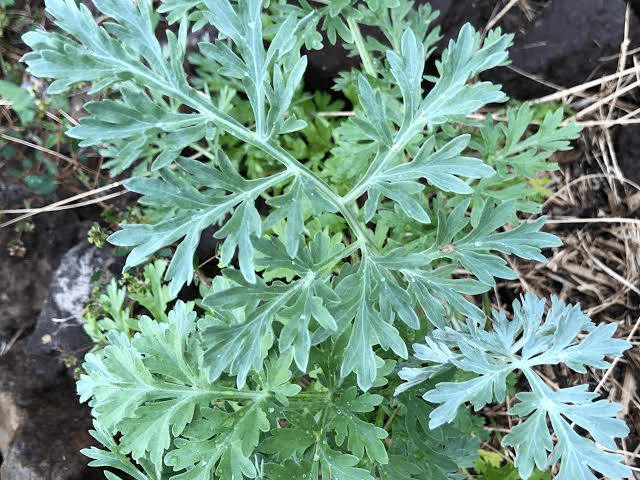
Artemis and Artemisia
The historical association of wormwood is linked to various gynecological uses in ancient medicine. It was used to treat various menstrual problems such as dysmenorrhea and menstrual irregularities, including the absence of menstruation (amenorrhea), as well as aiding in childbirth and treating inflammations such as endometriosis. Therefore, this is also what gave it its name,…
-
The Molekh as an explanation to the Zeus and co myths
Sacrificing human offerings in Canaanite religion, especially offerings to deities like Baal, was a custom intended to ensure divine favor (article). The Carthaginians, descendants of the Canaanites, practiced child sacrifice. Classical sources describe the ritual sacrifices to Baal Hammon, where children were offered during crises to avert disasters or ensure victories. This practice is archaeologically…
-
Indo European Horse Worship
By the first millennium AD, Christianity had spread throughout most of Europe, leaving paganism primarily in the far north, where Christians had yet to reach. At the turn of the millennium, they had managed to penetrate Scandinavia and Russia, leaving the Baltic coast as the only remaining pagan stronghold. The Teutonic Order's Crusades between the…
-
PTSD in mesopotamia
Medical texts in cuneiform from the Assyrian period (14th to 7th centuries BCE) refer to war injuries extending beyond physical damage, as well as unintelligible speech, terrifying hallucinations, and wandering thoughts. These can be interpreted today as PTSD —according to Walid Khalid Abdul-Hamid and Jamie Hacker Hughes in a 2014 study published in "Early Science…
-
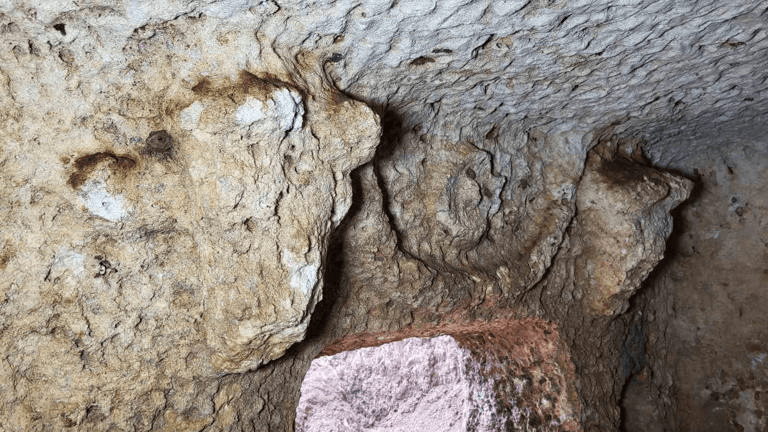
The sacred bull as the essence of the rebirth and immortality
Today it was reported that a 2000-year-old tomb was discovered in the ancient city of Tharsa, located near the village of Kuyulu in southeastern Anatolia. The tomb is part of a larger burial complex containing 60 tombs. Surrounding the tomb are arch decorations and two bull heads. The arch decorations, known as arcosolium, suggest that…
-
why should the Yggdrasil be identified with the yew and not with the ash tree, and the psychedelic and typographic connection!
The Yggdrasil tree is considered the norse "world tree," the axis mundi, or the central pillar of the universe, connecting and separating different realms of existence. Its roots extend to various regions, and its branches reach the heavens. It serves as a bridge between worlds, linking Asgard (the realm of the gods), Midgard (the realm…
-
Lesson in Biblical Rhetoric: evil beasts
Our starting point in this blog is that Judaism, or the religious layer of society that wrote the Bible, was shamanistic in nature, connected to the earth and the environment, and influenced by them in its imagery and associations. Whenever a plant or animal is mentioned, both the storytellers and the listeners knew exactly what…