
חודש: מאי 2024
-
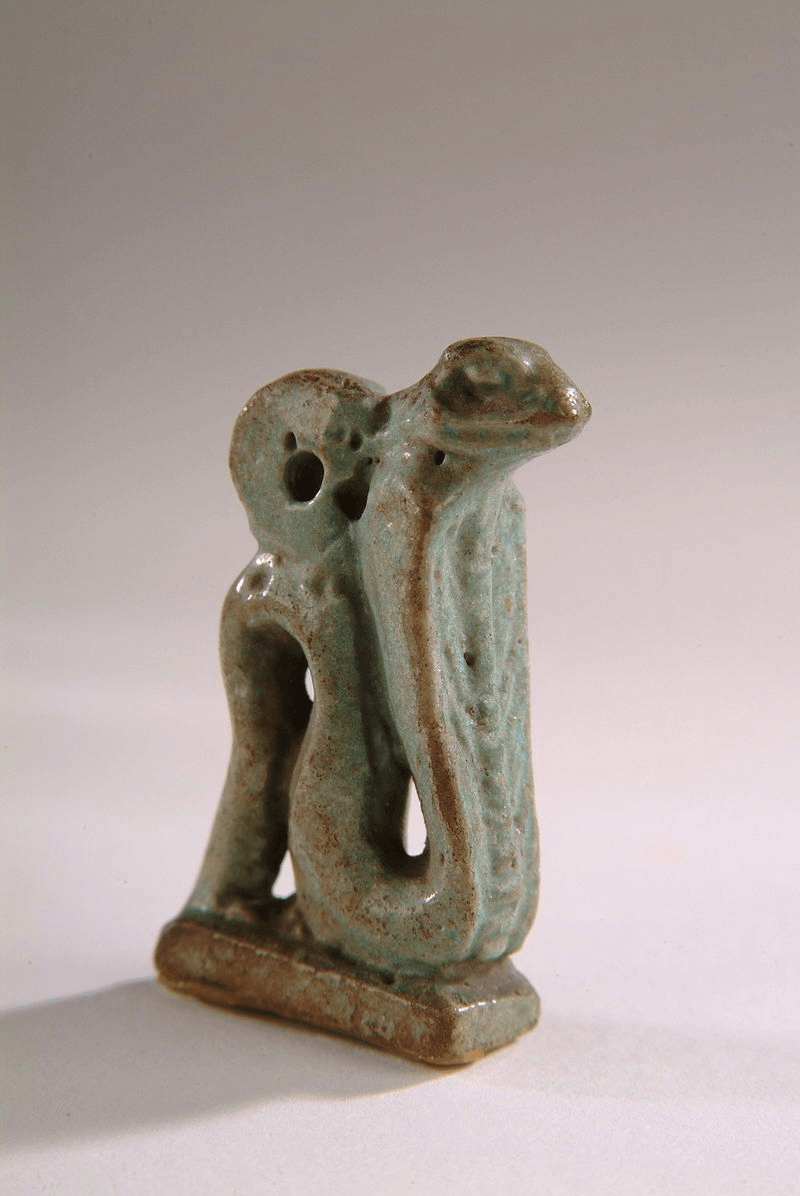
The Symbolism of the Hebrew Word "Nasi" and Its Potential Egyptian Origins
In Hebrew, "president" is "the most exalted of all", according to I Kings 1:5 and also according to the Nachmanides in his interpretation of the verse "You shall not curse God, and you shall not curse a president among your people" (Exodus 22:27). In Proverbs 25:13, it seems that the clouds are also called that…
-
Buddhism as the origin of the western religions?
Sort of related. If one tries to carry out an archeology of ideas, he will probably learn about the theory based on which the "religions of orthopraxy" and the philosophy that fostered an ethic of life "according to nature" and the adoption of righteous virtues, were in fact the Hellenistic version of Buddhism, which the…
-
A bit about the evolution of cannabis
The origin of cannabis dates back 28 million years. Tectonic plate activity, which caused geological folding as a result of the penetration of the Indian subcontinent into Asia, contributed to the flourishing of cannabis by creating a comfortable habitat for it. Cannabis thrives in open, treeless habitats such as the Tibetan Plateau. From there, it…
-

the meaning of the hebrew word "Aviv" would indicate the biblical barley at Exodus as an early stage of the evolution of the cultivated barley, as opposed to the relatively more advanced stage of the wheat.
After the hailstorm plague in Egypt, it is told in the book of Exodus that the crop was mostly destroyed, but not entirely. "And the flax and the barley was smitten: for the barley was in the ear, and the flax was bolled. But the wheat and the spelt were not smitten: for they were…
-
More plants (than meat) on the menu of ancient hunter-gatherers
Analysis of isotope residues of zinc and strontium on the enamel of the teeth of pre-historical humans in Morocco from 15,000 years ago, suggests that they were much more vegetarian than carnivores, contrary to what we tend to think about pre-agricultural societies. A significant part of their diet, it turns out, included Mediterranean plant species,…
-
Fermentation, the engine of culture
Fermentation gave humans evolutionary advantages due to cultivating their ability to deal with processed food in a way that was good for them. By processed food is meant food that has already been digested once, by bacteria or yeast. A form that will be good for them: that will facilitate digestion and allow them to…
-

The History of the Black pepper trade as the history engine
The history of spices more or less coincides with written history. And there is evidence as early as the third millennium BC of a lively trade in spices from distant lands, of trade empires such as Egypt and Assyria. Maritime trade was conducted on the shores of the Indian Ocean, and was conducted overland as…
-
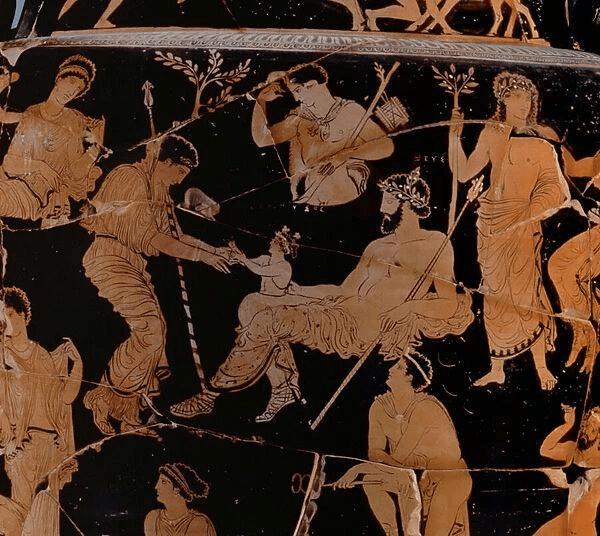
The etymology of Dionysus
The meaning of the name Dionysus is the god from "Nysa". Erroneous etymologies associate the name Dionysus with "the twice-born", as well as with "limp of Zeus", to allude to the story of the birth of Dionysus. The story goes like this: Zeus and Hera were married, but Zeus fell in love with all kinds…
-
The hebrew word for wine is borrowed from Indo-European
In the Bible there are many words in Hebrew that describe the vine, the products of the vine and the processing of the vine. On the one hand, this proves the centrality of the grapevine industry in the Hebrew-speaking culture in ancient times, but also probably proves a meeting between cultures. The duplication of words…
-
The Yaake ecstatic dance
The Guerewol Festival is a ceremony in which men from the Wodaabe tribe in Chad dance a dance called Yaake, as part of a tribal beauty contest in which the prize is the hearts of the tribe's women, including the married ones. This is the way to find a match. If a married woman chooses…