
חודש: ינואר 2024
-
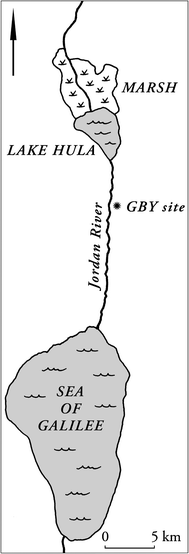
Was the "parting of the sea of suf" was actually in the Hula Lake and the revelation of Mount Sinai was actually in Mount Hermon?
Was the "parting of the sea of reeds" was actually in the Hula Lake and the revelation of Mount Sinai was actually in Mount Hermon? In the last week's torah portion "Beshalach" it is said that the starting point of the Israelites on their journey in the desert was at a place called "Sukkot" (Exodus…
-
anemone in the bible as Adonis cult and the anti-pork campaign
The anemone is mentioned in the Bible, when Isaiah calls it "Naaman" in chapter 17, "You have forgotten God your Savior; you have not remembered the Rock, your fortress. Therefore, though you set out the Naamanim and plant vines of strangers". In Arabic, the flower is also called "Shakayik al Nuaman" شقائق النُعمان, and this…
-
J.H Chayes' "The Kabbalistic Tree"
This week, the Jewish holiday of the "New Year of the Tree", the 15th of Shevat, was celebrated. On the occasion of the holiday, the popular hebrew podcast "Big History, in Brief" is dedicating its recent episode to the book "The Kabbalistic Tree" by Prof. J. H. Yossi Chajes from the Department of History of…
-
Avraham and Leah's Dahan's "The encyclopedia of plants' Talmud"
Finally, I am the proud owner of Avraham Dahan's (and his wife) "The encyclopedia of plants' Talmud" (hebrew). 1300 pages of content and another 70 pages of indexes. The book is divided into 5 parts: medicinal plants, spices, incense, the Seven Species and fruit trees. The entries contain ethnobotanical history, quotes and references in Jewish…
-
Ancient Rome's making wine in earthenware vessels
A new study explains how, using a tool called a dolia, the Romans were able to regulate the temperature and PH level of the wine by burying it in the ground and, together with seasoning with certain substances, were able to produce a wine that was known for its special taste – so do the…
-
ancient human diet was based on 80% plants, especially root vegetables
You probably think that the ancient human diet was based on a paleo meat-based food. Right? A new research shows that his diet was based on 80% plants, especially potatoes (in a pre-domesticated version) and a variety of root vegetables
-
In South America’s "Lithium Triangle", Indigenous people defend sacred sites
The indigenous Indians on the border of Argentina, Bolivia and Chile claim that the lithium mining desecrates the gift of the earth goddess, harms the sacred mountain entities and worse, the exploitation of the water for mining is sabotaging their agriculture
-
was Odysseus "moly" a snowdrop or daffodils?
When Odysseus and his sailors came to visit Circe, she gave them soup to drink. All the sailors drank it except Odysseus and immediately turned into pigs. Odysseus prayed to the gods and then Hermes gave him a magical plant that the gods call "moly" (μῶλυ). The characteristic of the moly is that it is…
-
Manna as Tamarisk secretions
The upcoming week's Torah portion is "Beshalach" which deals, among other things, with the manna. What is manna? Bernhard von Breidenbach reported in his book "Peregrinatio in terram sanctam" in the 15th century about the monks in Saint Catherine's Monastery in Sinai who identify the secretions of the tamarisk (or: tamarix) tree with manna. Clinton…