
תגית: Buddhism
-

The way cannabis is embedded in Indian culture
According to the information presented in Ananda: An Exploration of Cannabis in India by Karan Madhok, cannabis has played a clear and multi-layered religious role in Indian traditions throughout the ages. Its use transcended religious boundaries and integrated into folk rituals, mystical practices, healing rites, and devotional ceremonies. It has long been associated with ananda,…
-
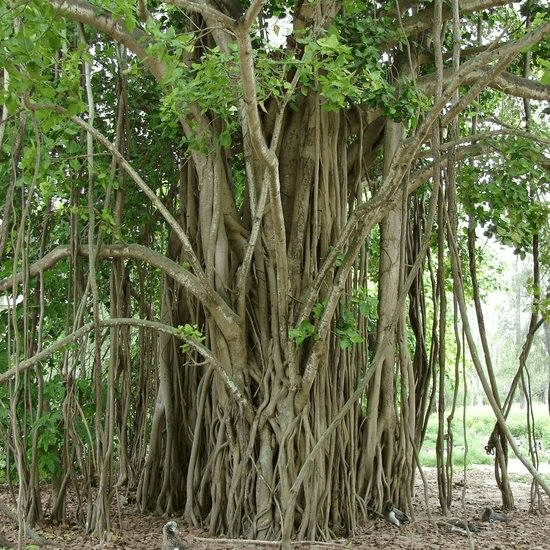
The Banyan tree
The Indian Banyan tree ("Ficus benghalensis"), also known as the Indian fig tree, holds extensive cultural, religious, and medicinal significance in Indian culture and religion. Its status as a sacred tree has developed over generations and continues to influence daily life, worship, and common beliefs. In addition to its religious value, this tree possesses medicinal…
-
Buddhism as the origin of the western religions?
Sort of related. If one tries to carry out an archeology of ideas, he will probably learn about the theory based on which the "religions of orthopraxy" and the philosophy that fostered an ethic of life "according to nature" and the adoption of righteous virtues, were in fact the Hellenistic version of Buddhism, which the…
-
Saffron as a sacred plant
The first known reference to saffron dates from around 2300 BC in the "Legend of Sargon of Akkad", a Mesopotamian work that describes the birthplace of the founder of the Akkadian Empire as "the city of saffron". Saffron was first domesticated in Greece in 1700 BC, according to a 2022 study. This is supported by…
-
Medieval Japanese healing: from fortunetelling and exorcism to herbal medicines
In medieval Japan, court physicians used medicinal plants in conjunction with ritual and religious practices, techniques brought by Buddhist monks beginning in the seventh century from the Korean peninsula and China. That is, not only independent monks were healers with these religious methods, but also institutionalized doctors. As for example, the doctors called onmyoji (陰陽師)…