
In the past, we have discussed how ancient people viewed skin diseases as a curse from the gods and medicinal plants with therapeutic effects on skin issues as sacred, especially if they were also psychoactive (example, example, example). Skin diseases were considered to result from dirt, hence the ancients had a healthy obsession with cleanliness, associating cleanliness with holiness and dirt with impurity. Bathhouses probably served as temples, perhaps because they included special smoke saunas with healing steam, which if made from a psychoactive substance, would also cause a mild high.
Indeed, we see such use not only among the Romans and Celts, and we have already seen such use with henbane. The Scythians also had such an obsession, which was tied to religious rituals, and the plant used was none other than cannabis. Herodotus reports that the Scythians used a reed tent as a steam bath, where they stored hot stones onto which they threw cannabis seeds. Inside the tent, a hot-box effect was created, but it is said that the Scythian warriors entered it primarily to cleanse themselves, not necessarily to feel euphoric. Cannabis was used to relax and relieve pain caused by the harsh daily life, arthritis, and battle wounds.
Plutarch (or rather Pseudo-Plutarch) mentions in his treatise "On Rivers" that the Amazons would bathe in the icy river waters (the Don, the Amazon River) to cleanse themselves, even though it was difficult because the cold was extreme. For this purpose, they and other warriors used various ointments, some to treat frostbite and others to induce a sensation of warmth. He writes: "There is a plant called halinda, similar to cabbage. Bruising this plant and anointing their bodies with its juice made the Amazons more resistant to the extreme cold".
According to research, this plant is black mustard, known as "wild cabbage", Brassica Nigra. This plant contains mustard oil that includes "glucosinolates", a sulfurous substance that provides protection against various microorganisms, stimulating enzymes that neutralize the activity of cell destroyers. Today, this property is used for cancer treatment, which is why broccoli is said to help prevent cancer; broccoli is a descendant of wild cabbage. These substances, especially a substance called allyl isothiocyanate, are also used to stimulate mucous tissues and increase blood flow, causing the TRPV1 heat receptors to be activated. These are the same receptors that also detect the active ingredient in hot peppers. This supposedly allowed the Amazons to bathe more comfortably in icy waters.
It turns out that cannabidiol (CBD) also affects these receptors, and its stimulation has pain-relieving, anti-cancer, and primarily anxiety-reducing effects. The Amazons used beauty masks made from a paste of cypress, cedar, and frankincense, used for skin care, cleansing, and scar smoothing (it is known that CBD has positive effects on acne treatment).
The Amazons washed their hair with shampoo made from tallow. It turns out that tallow contains linoleic acids that have moisturizing properties, strengthening hair and healing wounds. They also applied this tallow on their skin to protect themselves from frostbite caused by cold baths. Today, moisturizing creams made from tallow are commonly used (for those who allow it). Some of them are also enriched with CBD.
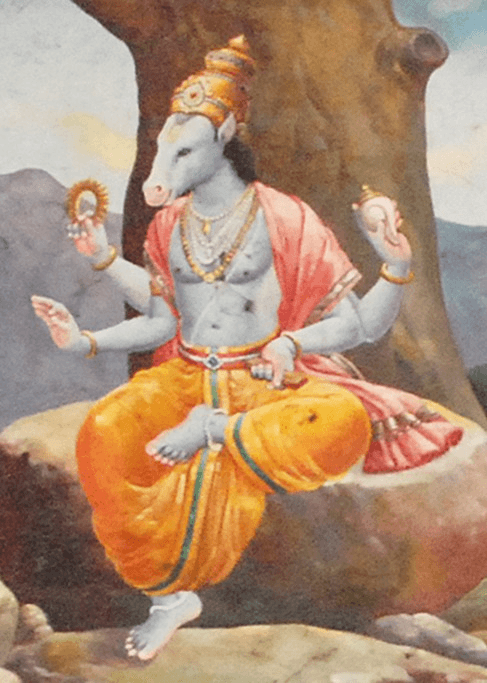
A wonderful thing I discovered is the use of a medicinal ointment in Chinese medicine called "horse ointment". The origin of this ointment is ancient, over 4,000 years old. It is believed that the Scythians lived in the Xinjiang region and controlled the Silk Road. Through the Scythians, the Chinese discovered cannabis, and perhaps also horse ointment. The use of the ointment is documented in ancient books for treating eczema, burns, and promoting hair growth. The ointment is made from horse fat, proving that in ancient times, animal fat, particularly from animals considered symbols of fertility, was used. In India and Iran, these were cows, but among the Asian steppe peoples, they were horses. Despite this, both Indians and Iranians also revered horses. Among Indians, there was a custom of sending a horse across the empire with bodyguards to see if anyone could capture the horse. If everyone failed, it proved that the king was an undisputed ruler. Upon the horse's return, it was sacrificed in a grand ceremony. It is believed that Vedic religion developed from the rejection of this ritual and animal sacrifices in general. In any case, in Hindu religion, there are several avatars of Vishnu as a horse, Hayagriva, the first being a white horse pulling the sun chariot, which later evolved into the worship of Helios and the sun chariot. Additionally, the Hindu messiah "Kalki" is supposed to arrive on a white horse, or perhaps he is the white horse himself, and transition the world from the Iron Age to the Golden Age where humans will live in harmony.
Among Indo-Europeans, horses were revered. Horses were sacrificed, buried with their owners, and considered divine messengers who accompanied the dead to the afterlife. The chief god and his consort were horse deities. As a fertility goddess, she was depicted as the goddess of animals or the horse goddess. Among the Celts, this was preserved in the worship of the goddess Epona, but as we showed, Potnia was also such a goddess of animals and Poseidon's consort, who was actually a horse god long before he became the god of the sea. Potnia bequeathed pastoralism and the connection with animals and horses to Artemis, and it turns out that those considered to have founded the worship of Artemis in the temple at Ephesus were the Amazons. Because war was conducted using mounted archers, the Amazons were symbolized by Artemis, depicted as a huntress, presumably because hunters used the same tools. The bow was made from horse tendons or alternatively from twisted cannabis fibers. The meeting of the bow made from female symbols and the arrow, a phallic symbol, represents the sacred union. The arrow was also the symbol of the god of war, and we see that war gods are depicted as those who shoot their lightning bolts with a bow and arrow, and the etymology of most of them is also from the word for "arrow", which actually has multiple meanings, including arrow, lightning, sunbeam, or god. *Tîwaz / *Dyēus.
הצטרפו לרשימת התפוצה שלנו
כתיבת תגובה