
תגית: ancient medicine
-

Dog's saliva and feces in women medicine
The dog was an animal with religious significance, as we saw in the previous post. However, it was probably not domesticated for its cultic role or for the qualities it was thought to possess in guiding souls to the underworld. It is, of course, tempting to think that everything humans did was the result of…
-
Garlic as a plant sacred to the fertility goddesses
Garlic has played a significant role in fertility rituals across various cultures throughout history. This is due to two main reasons. The first and most well-known is stated in the Talmud: garlic is an aphrodisiac that “induces love and removes jealousy” and “increases seed”, meaning it promotes fertility. Science supports this, as raw garlic is known…
-
Medicinal anal smoking
Smoking in ancient times was, of course, also used for spiritual purposes (such as prophecy and, in contrast, exorcism), but primarily for medicinal purposes. Among other things, it was used in matters related to fertility, such as easing childbirth and helping women who suffered from excessive bleeding. It was even used to test for virginity…
-
On Anointing
In the past, we have discussed how ancient people viewed skin diseases as a curse from the gods and medicinal plants with therapeutic effects on skin issues as sacred, especially if they were also psychoactive (example, example, example). Skin diseases were considered to result from dirt, hence the ancients had a healthy obsession with cleanliness,…
-
Artemis and Artemisia
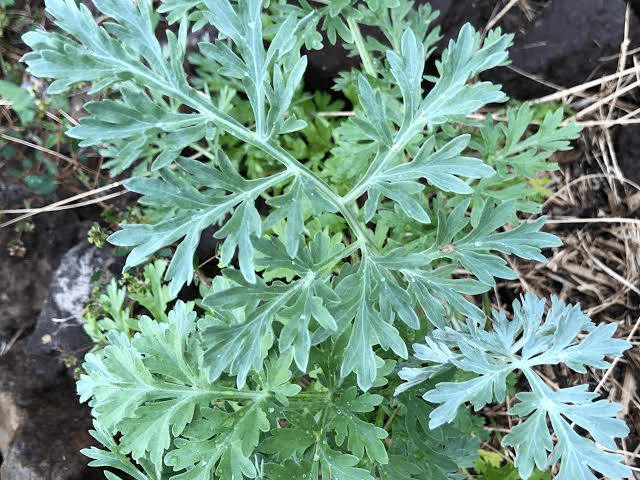
The historical association of wormwood is linked to various gynecological uses in ancient medicine. It was used to treat various menstrual problems such as dysmenorrhea and menstrual irregularities, including the absence of menstruation (amenorrhea), as well as aiding in childbirth and treating inflammations such as endometriosis. Therefore, this is also what gave it its name,…
-
PTSD in mesopotamia
Medical texts in cuneiform from the Assyrian period (14th to 7th centuries BCE) refer to war injuries extending beyond physical damage, as well as unintelligible speech, terrifying hallucinations, and wandering thoughts. These can be interpreted today as PTSD —according to Walid Khalid Abdul-Hamid and Jamie Hacker Hughes in a 2014 study published in "Early Science…
-
Taste shaped the use of botanical drugs
According to new research, taste and smell have played a significant role in medical practices since ancient times. The ancient physicians tried to explain it in different ways, such as for example according to the theory of humors, as if certain organs that are characterized by a certain type of humor, should receive medicine with…
-
Tropane Alkaloids as an ancient dermal treatment for STDs/skin disease
Nightshades were used to create a paste to apply on the skin for healing from skin diseases. There is a very important mention of the dermal function of the mandrake in King Hezekiah that got boils, and Isaiah advised him to take a "dried fig" so he put it on the boil – and it…
-

The Jewish myth about the origins of medicine
In the Book of Jubilees, chapter 10, the following story is told, according to which the poisons are impure spirits designed to lead humans astray, and therefore Noah prayed to God to ban all the spirits, but following the counter-prayer of the devil, God decided to ban only 90% of them. As for the remaining…