
תגית: psychoactive plants
-
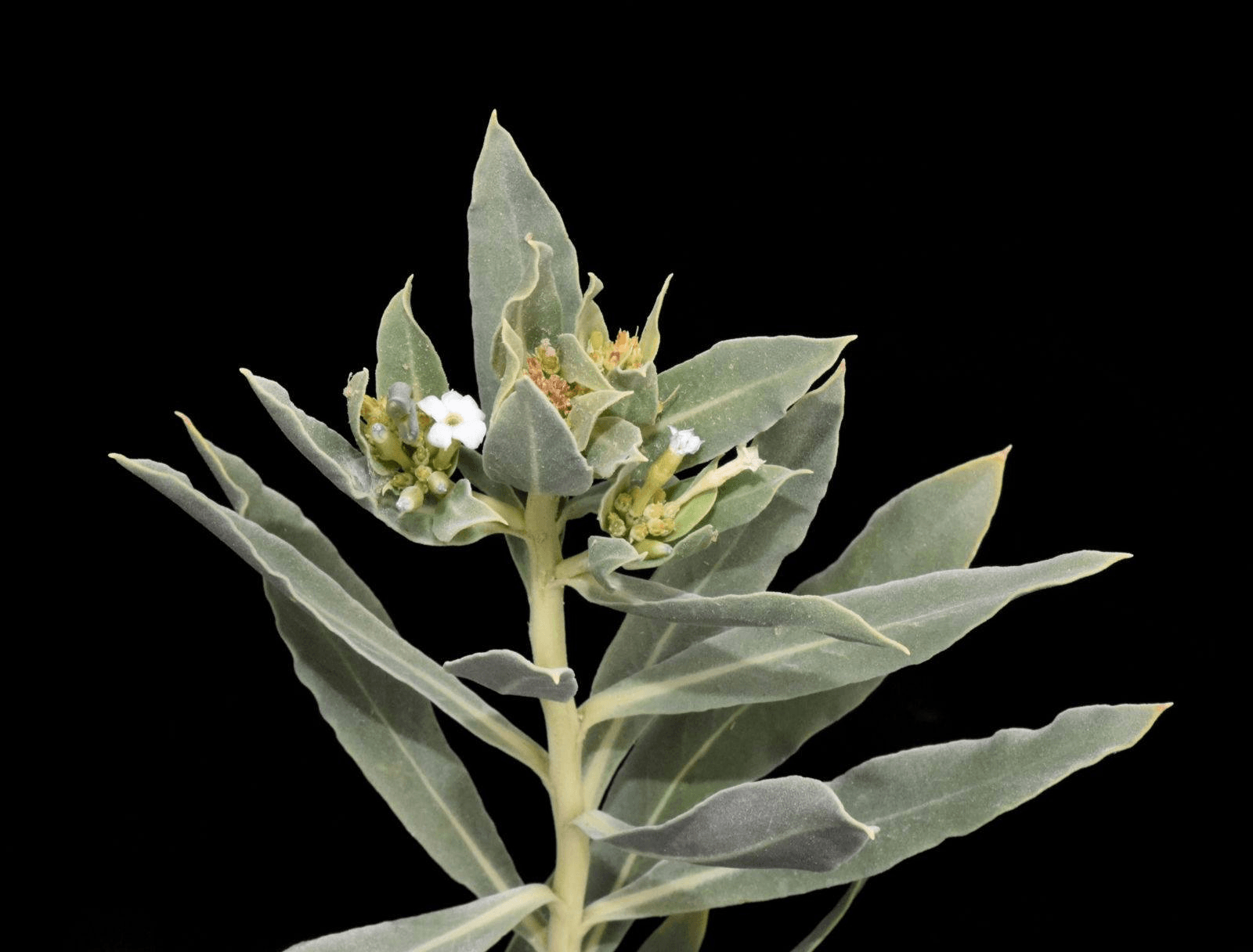
Is harmalan entheogen?
Before we get excited about what Benny Shanon claimed regarding the use of the Syrian Rue as a mind-altering plant among the Bedouins in the desert—I want to calm things down a bit. James Mandaville from the University of Arizona published, a few years ago, the first comprehensive ethnobotanical study of plant use among Bedouins…
-
A very comprehensive article on entheogens
The Encyclopedia of Life Support Systems (EOLSS), initiated by UNESCO, is a comprehensive international academic endeavor aimed at collecting, preserving, and disseminating interdisciplinary knowledge related to sustaining human life and Earth's ecosystems. It comprises thousands of peer-reviewed scientific articles written by experts from around the world, offering an integrative overview of diverse fields of knowledge.…
-
Dan Russell’s, Shamanism and the Drug Propaganda
New on my bookshelf: Dan Russell’s book, “Shamanism and the Drug Propaganda: The Birth of Patriarchy and the Drug War.” Currently reading. It turns out this is the second book in a “series,” with additional volumes planned, as of 1998. I don't know where they are. However, it took time to figure out that this…
-
On Anointing
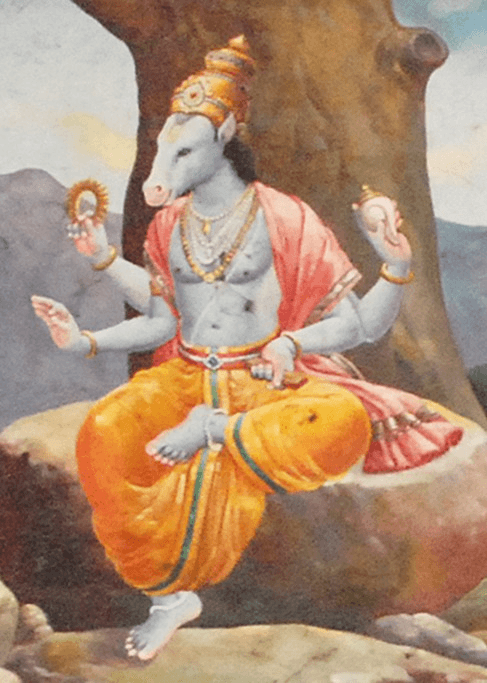
In the past, we have discussed how ancient people viewed skin diseases as a curse from the gods and medicinal plants with therapeutic effects on skin issues as sacred, especially if they were also psychoactive (example, example, example). Skin diseases were considered to result from dirt, hence the ancients had a healthy obsession with cleanliness,…
-
What Kinds Of Drugs Were Used In Ancient Times?
Our ancestors used drugs to transcend the material world and deal with the fear of death. Drugs were seen as a way to connect with the spiritual and metaphysical aspects of life and were incorporated into rituals and social rites. Unlike today, where drugs are viewed as something to be prevented due to abuse and…
-
Avraham and Leah's Dahan's "The encyclopedia of plants' Talmud"
Finally, I am the proud owner of Avraham Dahan's (and his wife) "The encyclopedia of plants' Talmud" (hebrew). 1300 pages of content and another 70 pages of indexes. The book is divided into 5 parts: medicinal plants, spices, incense, the Seven Species and fruit trees. The entries contain ethnobotanical history, quotes and references in Jewish…
-
Noah Whiteman's "Most Delicious Poison"
Noah Whiteman is Professor of Genetics, Genomics and Evolution and Director of the Essig Museum of Entomology at UC Berkeley. In his new book "Most Delicious Poison: The Story of Nature's Toxins―From Spices to Vices", he focuses on the chemicals that plants, fungi and animals produce to defend themselves from attack, and how this war…
-
Jean-francois Sobiecki's "African Psychoactive Plants"
Jean-francois Sobiecki is a South African ethnobotanist who for the past 15 years has conducted field research in which he documented over 300 species of plants used for psychoactive purposes in South Africa. In this way he fills the gap that exists in the ethnobotanical literature, what is studied is a variety of plants from…