
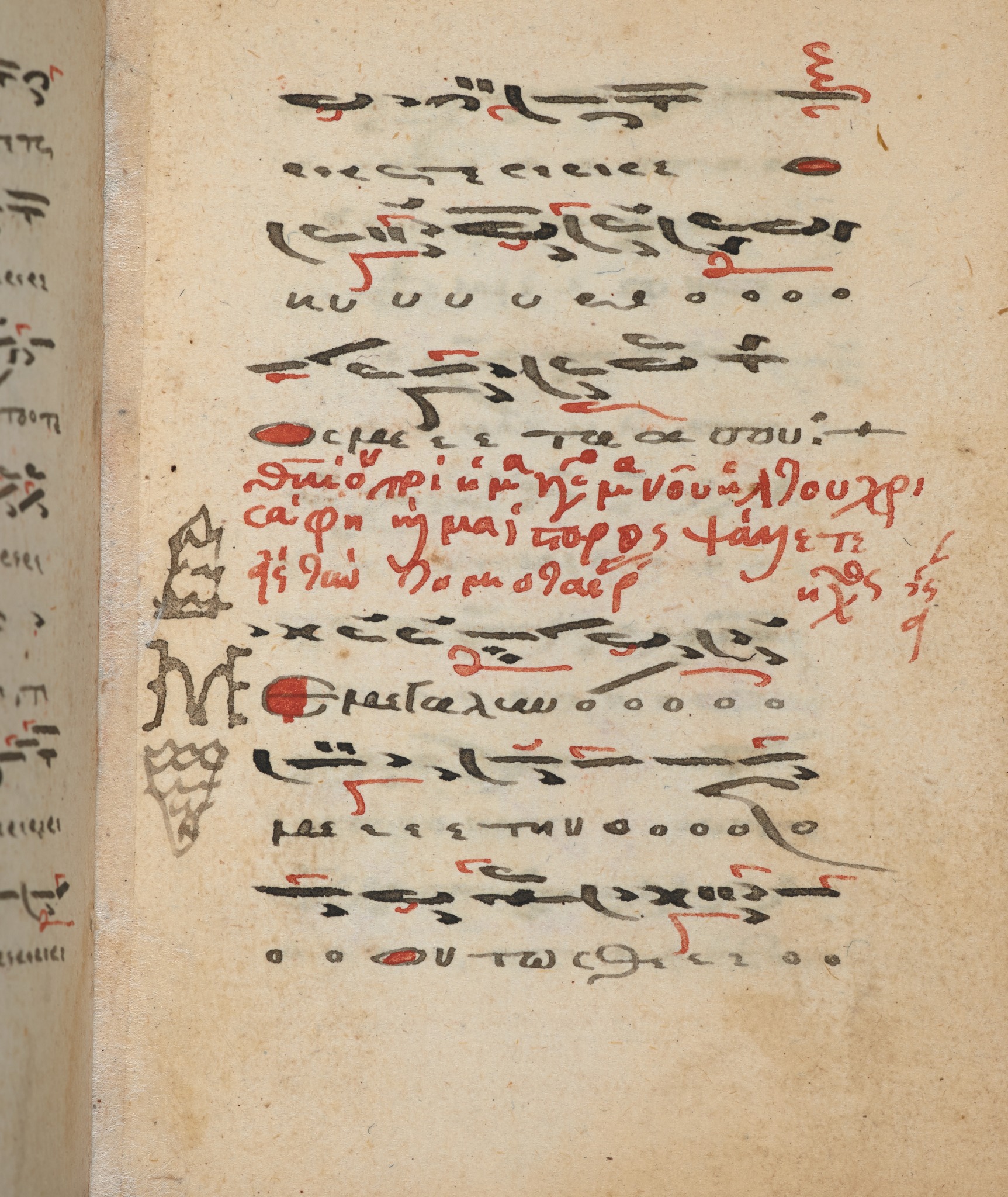
Already in prehistoric times, finds of cinnabar were discovered in the graves of shamans. It turns out that the shamans adorned themselves with clothes dyed with the pigment developed from this gem, Vermilion, and perhaps even inhaled it. The inhalation of this powder is known to us from ancient China. No matter how poisonous it is, the Chinese were crazy enough to use all kinds of substances that you wouldn't think of, just because they have virtues to strengthen chi energies of something. why? Cinnabar is a mineral, or gemstone, that is a compound of mercury and sulfur. It turns out that one of the side effects of mercury poisoning is damage to the body's central nervous system, which sometimes also manifests itself in damage to behavior, memory, hallucinations and delirium. They probably tried to reach these situations.
The Chinese had a legendary mixture, which was used for religious and medicinal purposes. As part of the religious needs, toxic minerals were used for an ecstatic experience. The mixture was called the "powder of the five stones" "Wu Shi San" (五石散), which, in parallel with the feeling of disconnection from reality, also created hyperthermia and therefore the "powder walkers" had to immerse themselves in ice baths and eat cold food in order to moderate their body heat. That's why this powder was also called the "cold food powder" "Han Shi San" (寒食散). To this day among Daoism, red is considered a sacred color, the cinnabar itself symbolized the power of vividness and immortality, and we see immortality is associated among the Chinese to any high state of consciousness, or as something that has a positive effect on memory and creativity.
Just as mentioned previously, the cinnabar powder that is used as a pigment is called vermilion. In ancient times, cinnabar was the main source of mercury, and because the pigment is red and the cloak (chlamys, χλαμύς) of Hermes was red, this substance is associated with divine wisdom, and the tool by which the world was created. That means, everything in the world is made of mercury, and everything can be created from mercury. That's why the alchemists who believed in Hermes Trismegistus often experimented with it.
In the Bible, the vemilion is called "Shashar" (ששר) and the prophets Ezekiel and Jeremiah condemn King Shalum ben Josiah, who painted the walls of his palace red, as the Babylonians used to do. So we see a royal use of cinnabar. And in fact, just as the purpura (scarlet/crimson pigment wool from which the Toga was colored) and the porphyry (purple stone from which royal statues were sculpted) were allowed in the late Roman period and in the Byzantine Empire only for the emperors, so it turns out that vermilion was too allowed only for them. In ancient Rome at the time of the triumphs, the faces of the victors were painted this color, to resemble Jupiter, whose statue on the Capitoline Hill was painted with vermilion. After the use of vermilion was limited it was only in administrative use, the emperors would use red ink made from it, in which the Holy Scriptures and various ecclesiastical documents were also written.
The connection with Babylon and the Shashar brings up another theory related to states of consciousness. We see how Jeremiah calls Babylon "Sheshach". Supposedly, we argued, that Shashar is a code name in Hebrew for the word Babylon, but who knows if it is not because of the graphic similarity between Shashar (ששר) and Sheshach (ששך), and perhaps it is just a spelling error and a copy by a writer who did not understand what the connection is between them?
Ezekiel and Jeremiah condemn Shalum ben Josiah who painted the walls of his palace with "Shashar", a red color, like the Babylonians. Jeremiah, on the other hand, twice prophesies about Babylon, and calls them "Sheshach". In both cases the prophecy comes in the context of wine and drunkenness (therefore red, like rage bulls running amok). Once (in chapter 25) "a cup of heat", and once (in chapter 51) as "a cup of intoxicating gold". Is it because the effect of the Shashar, brings about high states of consciousness like the wine?
PS the sons of prophets in Kings and Samuel books, are described as those who would strip off their clothes during prophecy. And perhaps because they also sniffed substances that caused hyperthermia…
One of those who are described as having spread out during prophecy was Saul. Saul is also described as having lost his mind. The person who wrote the book of Samuel was not a psychiatrist, he was indeed a religious man who believed in spirits and demons, and they usually lived in plants or minerals. If Saul's mind was lost, it could be because he drank something that affected his personality, or wore something that caused him this due to exposure to a toxic substance over time. For example: the Roman emperors were said to have suffered from lead poisoning. Various heavy metal poisonings were usually among nobles and upper class people who had the means to use elite tools, such as glass, metal, jewelry, makeup, and clothing with color pigments that sometimes included toxic substances.
הצטרפו לרשימת התפוצה שלנו
כתיבת תגובה