
תגית: Religious Rituals
-
The Soma/Ayahuasca analogy
I apologize in advance for writing a book review about a book I haven’t actually read. The book in question is The Tawny One: Soma, Haoma, and Ayahuasca by the British scholar Matthew Clark (from the University of London). Unfortunately, I couldn’t get my hands on this book (even though it’s available on Kindle for…
-

Psychotropic and Symbolic Substances in a 2nd-Century BCE Egyptian Bes Cup
In a study focusing on an ancient Egyptian "Bes" mug from the Ptolemaic period, dated to the 2nd century BCE, researchers successfully uncovered the composition of substances used in religious and magical rituals in ancient Egypt. The research was led by Davide Tanasi, a professor at the University of South Florida, who identified chemical traces…
-

The color purple and the midwivery
Ammon Hillman speaks extensively about the color purple in psychedelic contexts, starting from the point that purple was used in both religious rituals and medical practices. Ancient doctors were shamans, and many of them were women shamans. As early scientists, their practices were considered sorcery, and over time, they were condemned. We can already see…
-
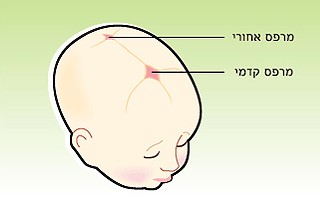
Is wearing tefillin a kind of ancient osteopathy ritual?
Is wearing tefillin a kind of ancient osteopathy ritual? The origin of the word "pe'ah" is Akkadian (pâtu- side, corner) and is also suitable as 'forehead'. therefore when it is written in the book of numbers (24:17) "A star will come out of Jacob; a scepter will rise out of Israel. He will crush the…
-
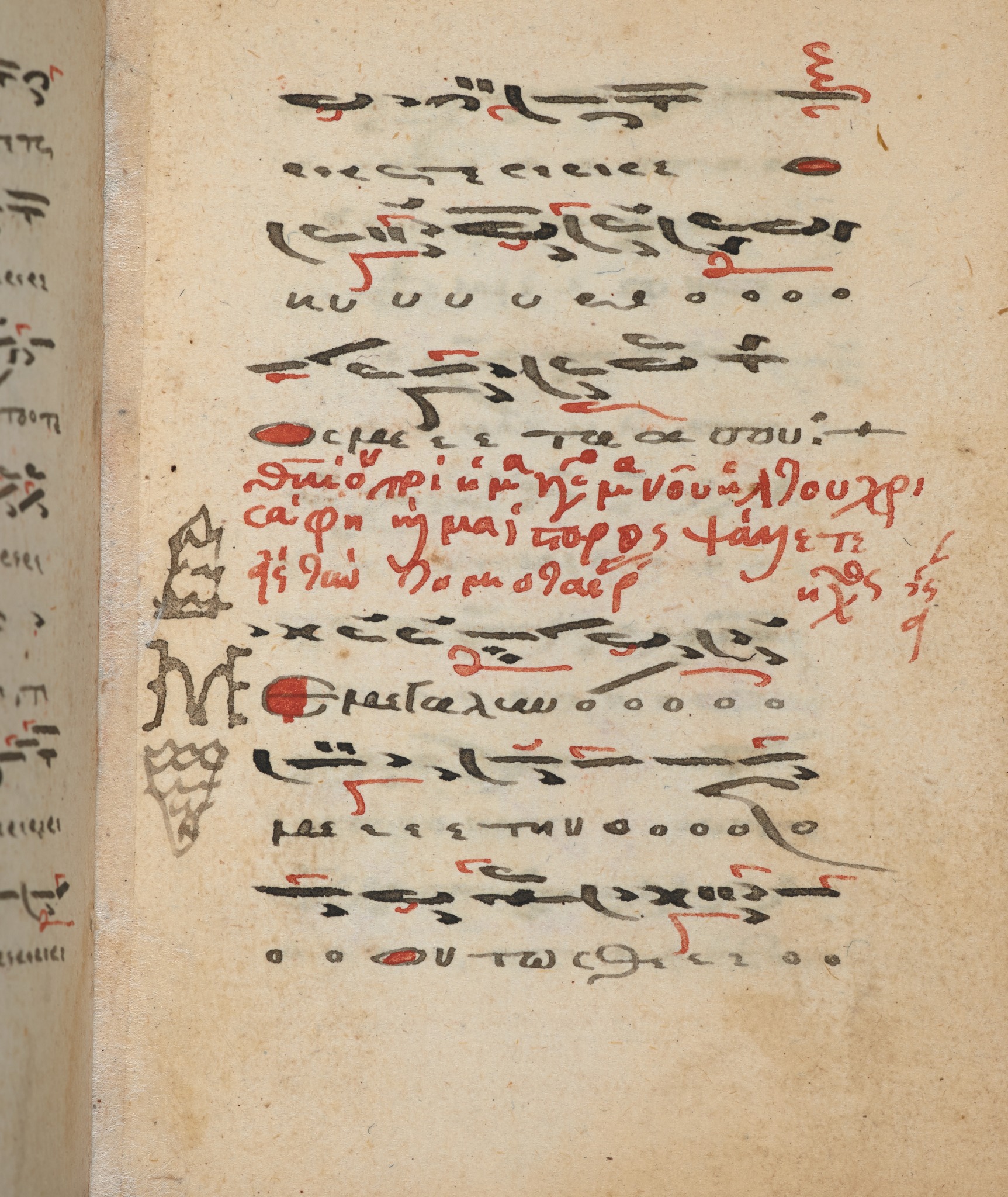
High on vermilion
Already in prehistoric times, finds of cinnabar were discovered in the graves of shamans. It turns out that the shamans adorned themselves with clothes dyed with the pigment developed from this gem, Vermilion, and perhaps even inhaled it. The inhalation of this powder is known to us from ancient China. No matter how poisonous it…
-
Yom Kippur Abracadabra
It seems that the sons of the prophets and the priests in the temple were nothing more than experimenters of primary chemistry, whose miraculous reactions caused them to adore certain materials and give them a mystical meaning. That is, everything that religion is based on is primitive science, which because it was discovered mostly by…