
Two magnificent temples were uncovered in an Egyptian city that sank under water and was discovered in 2000. The city was a port city of Greek mercenaries called Thonis-Heraklion which is now 7 km from the modern coast of the Mediterranean Sea and 20 km east of Alexandria.
The sinking happened as a result of an earthquake and tsunami following it in the second century BC, which caused the so-called "liquefaction" of the ground. The city gradually sank, and the coastline gradually encroached on the submerged land until in the fifth century they already covered all the remains of the city.
It is about two temples, one larger for the Egyptian god Amun and the other more "modest" for Aphrodite. The temples were found in the area of the southern canal of the city, where huge blocks of stone collapsed from the collapsing buildings during the liquefaction. Beneath them, divers found underground structures dating back to the fifth century BC.
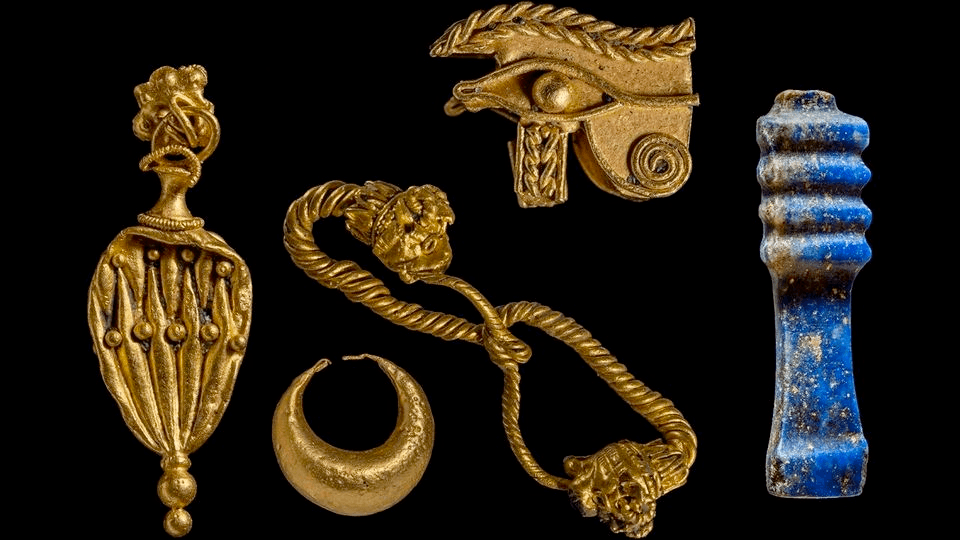
In the Temple of Amun, ritual vessels made of silver, gold jewelry and alabaster containers were found that were used to hold perfumes and ointments. Also found was a Djed pillar made of blue lapis-lazuli stone (considered by some researchers to be the biblical sapphire). Imported bronze and ceramic objects as well as a cache of weapons were discovered in the temple of Aphrodite. This indicates: a. On the prestige of the temples at that time, and thus on the prestige of the city in its glory days. B. On the Greek grip back in the pre-Hellenistic period (sixth century BC). It is likely that the Greeks arrived there as mercenaries intended to protect the city as the forward port of Egypt at that time, as experts in naval warfare.
הצטרפו לרשימת התפוצה שלנו
כתיבת תגובה