
Researchers from the University of Exeter and Historic England, using advanced radiocarbon analysis, suggest that Stonehenge may have been a replica of another stone circle dated to 3200 BCE. Stonehenge itself was dated to only around 2900 BCE.
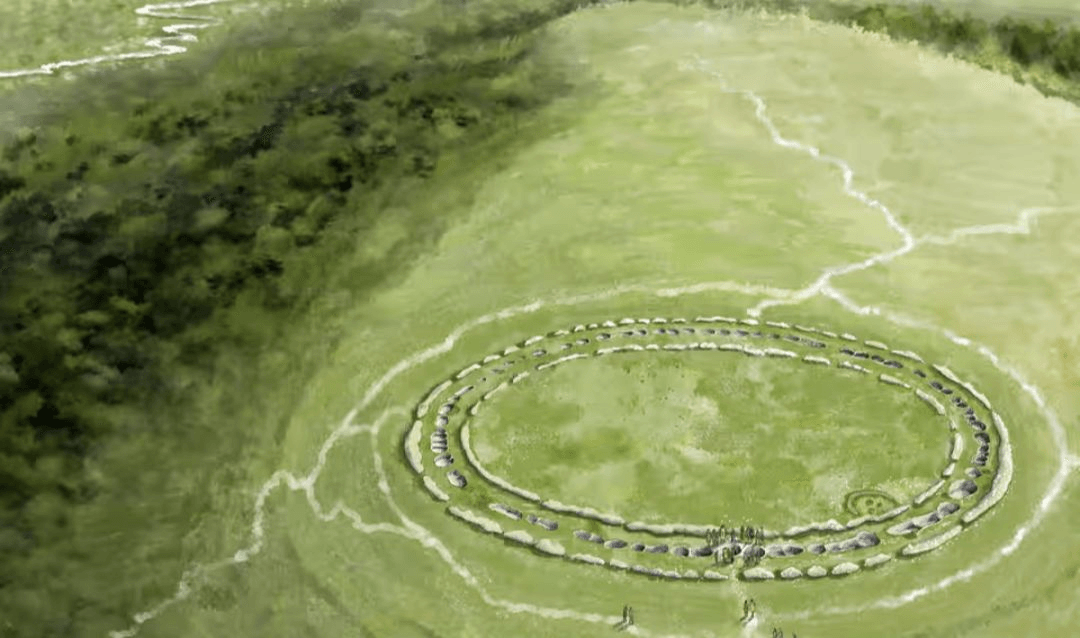
The stone circle in question is the Flagstones monument, located near Dorchester in Dorset. A new dating analysis pushes its construction back by an additional 200 years from previous estimates.
Flagstones was discovered in the 1980s during the construction of the Dorchester bypass. Excavations revealed a circular enclosure with a 100-meter diameter, consisting of intersecting ditches, likely with an earthen bank. Flagstones has been designated a protected monument, and its findings are preserved at the Dorset Museum.
At least four burials were found in the site's pits—one cremated adult and three uncremated children—along with three partially cremated adults in other areas of the site.
הצטרפו לרשימת התפוצה שלנו
כתיבת תגובה