
-
From Yahwism to Judaism
Prof. Yonatan Adler from the Department of Land of Israel Studies and Archaeology at Ariel University is expected to publish his second book very soon, in the coming weeks, through Cambridge University Press. In the first two weeks after its release, it will be available for free download as an e-book. To mark the occasion, he was hosted both on the MythVision Podcast channel and the History Valley channel—both channels that are, in spirit, close to this blog. Which is wonderful, and also the fact that Ariel University itself is waving the flag that “alternative” channels in biblical studies are echoing Adler’s theories—likely to irritate not only the religiously observant but, above all, mainstream biblical scholars who assume that the Torah was formulated and disseminated at the end of the Kingdom of Judah, or at most in the days of the Return to Zion. Incidentally, according to Wikipedia at least (but I believe it’s true), Prof. Adler himself has rabbinical training, which makes his research, in general, somewhat odd in the Orthodox context—for example, that in biblical times people did not observe the laws of kashrut. How can that be? Not even in the period when the Book of Deuteronomy was found and Josiah imposed its implementation on all Israel?
Adler’s research eventually developed into a book published about two years ago by Yale University Press, The Origins of Judaism. The book argued that there is no evidence whatsoever that observance of the Torah’s commandments was widespread before the Hasmonean period. Or more precisely, if you look for it archaeologically—there isn’t any. The only evidence is in the texts, but you can’t prove that the texts aren’t fictional. Archaeology proves the opposite: the evidence for observance of the commandments appears clearly only in the Hasmonean period. Therefore, we might—and he emphasizes, we might; he didn’t want to be dogmatic—conclude that the commandments were “invented” and implemented only in this period. No kashrut, no ritual purity, no tefillin, no mezuzot, no synagogues, not even Jewish worship in the Temple, and certainly no prohibition against images of any kind for God. If so, one can understand that the Hasmoneans felt it important to instill a sort of national Torah for their subjects, and they did this through adopting a legal code. In the Hellenistic period, law was an important concept; the Greeks prided themselves on it, and a founder of laws was considered a founder—a kind of Solon. So Ezra was such a figure.
He himself doesn’t argue this, but others do—that the model wasn’t necessarily Solon but rather Pythagoras, as someone whose every utterance is sacred and cannot be altered, because he is presumed to be right. And even what he didn’t say—if attributed to him—is true, especially among Neo-Pythagoreans who prided themselves on being filled with Pythagoras’s spirit. So even if he didn’t say it, he surely would have. This principle is called ipse dixit and was widespread in the Hellenistic period, particularly in the Alexandrian school.
Before I say what he claims in the new book, it’s important to define two concepts: The first is Yahwism. This refers to a soft polytheism, meaning Yahweh is the chief god but not necessarily the only one, and it doesn’t mean he doesn’t have a consort. It’s not hard polytheism—the consort of Yahweh is not necessarily separate from him but is simply an aspect of him, what is called henotheism. Indeed, we see at the Elephantine temple that the goddess Anat receives the suffix “Yahu,” becoming Anat-Yahu. Yet still, if one wants to appropriate other cults of the Mother Goddess, there’s no principled problem, and indeed portraits connected to Athena appear in Judah in the pre-Hasmonean period (4th century BCE)—such as the Gorgoneion and the owl. Beyond the possibility that Yahweh was perhaps the divine essence but had several aspects, the worship itself was not centralized, and we also see temples outside Jerusalem, for example in Samaria and of course in Elephantine. Were they legitimate temples? Perhaps—it’s impossible to know, but the fact that the Elephantine temple defines itself as a Jewish temple is telling. Moreover, the biblical rituals themselves suggest that until the time of Ezra and Nehemiah, Jews had not yet observed every law meticulously, and certainly after Josiah’s reforms they still reverted to idolatry. Did the reform fail? Or was there never truly a reform? Or perhaps there was a reform, but not the one we know?
It’s worth noting that Chris Bennett himself claims something similar in "Cannabis: Lost Sacrament of the Ancient World". Even Ezra did not act as the reform tried to portray itself—as if the central entheogen of Asherah, which he claims was cannabis, was still in use by Ezra. Gad Barnea would argue (though I’m putting words in his mouth) that the entheogen wasn’t necessarily cannabis but rather, in general, an analogy to the Zoroastrian haoma, whose code name was “the burning bush.” Ezra supposedly presented it as a sacrament that Moses himself used during his initial sojourn at Horeb when he discovered Yahweh’s existence: “I am that I am.” Still, the idea is that Josiah’s reform wasn’t Deuteronomistic at all but rather a very simple reform—if it existed at all—of worship specifically for Yahweh, for purely economic reasons: so that the masses wouldn’t contribute to competing temples. Thus, he destroyed the other temples (those he could), and the only place allowed for worship was Yahweh’s temple. But he didn’t prohibit worship of other gods; he simply let locals worship other gods in Yahweh’s temple in the way they had in their own temples. Perhaps Jeremiah indeed opposed these other forms of worship, but this was later, and it’s unclear what made him change his mind. Or perhaps he never changed his mind; just as we have three different Isaiahs, perhaps there were two Jeremiahs, and the Jeremiah who condemns worship of other gods—even when directed toward Yahweh—is later, possibly even from the Second Temple period. Or perhaps, Adler would say, from the Hasmonean reform itself. Who knows.
In any case, this is when Judaism was founded. Judaism is exclusive worship of Yahweh, in Jerusalem alone, with binding Torah laws, an indoctrination and dissemination system (the synagogues), and priests who don’t always cooperate with this doctrine are considered sinners, and therefore their importance wanes compared to the rising importance and sanctity of the agents of Jewish doctrine—the rabbis. And the Temple, the priests’ place of worship, is perhaps a religious ideal, but more wishful thinking; hence the synagogue becomes a substitute for the Temple.
Adler argues in his new book that in the Persian and early Hellenistic periods, Yahweh worship coexisted with other cults and Yahwism was flexible. Only in the Hasmonean period did it become rigid and was adopted as state law (Lex Judaica). A religious purification began, and perhaps everything described in Josiah’s time actually happened in the Hasmonean period. The forcible Judaization under John Hyrcanus was retrojected into an imagined golden age, but Josiah is really who John Hyrcanus and the Hasmoneans wanted to be. And perhaps Ezra himself is a projection of a Hasmonean king since he was a priest, and his association with the Persian period was merely an attempt to grant prestige to these laws. But the laws were integrated into the existing Hellenistic reality, hence the similarity between Temple rituals and those that can be presented as Hellenistic—for example, Sukkot as a Dionysian procession, and Passover (as I myself argued in The Great Purple) as an Eleusinian procession.
In short, brace yourselves—impact coming soon!
-
Human History on Drugs
New on my (e)shelf: Human History on Drugs by Sam Kelly. A highly popular book that attempts to rewrite history through the lens of drugs. That is, it takes mythological and historical figures and examines how the use of mind-altering substances—whether intentional, accidental, or coerced—shaped their lives, their choices, and, at times, entire worlds. While the book draws on research, in many cases it leans into theories that are speculative from the outset. Its analysis is more “what if the theory were true” than “what actually happened there” (For example: the early Christians did not actually consume Amanita muscaria, as Allegro claims). Still, it turns out that what did happen, at least in the beginning when people didn’t really understand what they were dealing with and saw these substances as miracle cures, was that they pushed themselves to the edge. Sometimes even when the harm was obvious, they denied it—or even cooperated with it—as long as there was some perceived benefit, if you can call it that.The most tragic example is Emperor Qin Shi Huangdi, founder of the Qin dynasty and unifier of China. The emperor desperately sought the elixir of life, somehow becoming convinced it was mercury, and continued consuming it even when it was clearly harming him—drinking and drinking until he succumbed to a cocktail of drugs laced with the silvery metal. He died during a carriage journey, and his corpse was hidden among rotting fish to mask the smell. Just in case immortality eluded him, he had constructed for himself a colossal tomb: a scale model of China with rivers of mercury flowing instead of water, and 8,000 life-size terracotta soldiers to guard him in the afterlife. The tomb remains unopened to this day, as the high levels of mercury in the surrounding soil could kill anyone attempting excavation. At least six later emperors from other dynasties, along with dozens of nobles, would also die from mercury-based elixirs and other poisons concocted by alchemists unwilling to admit their failures.
-
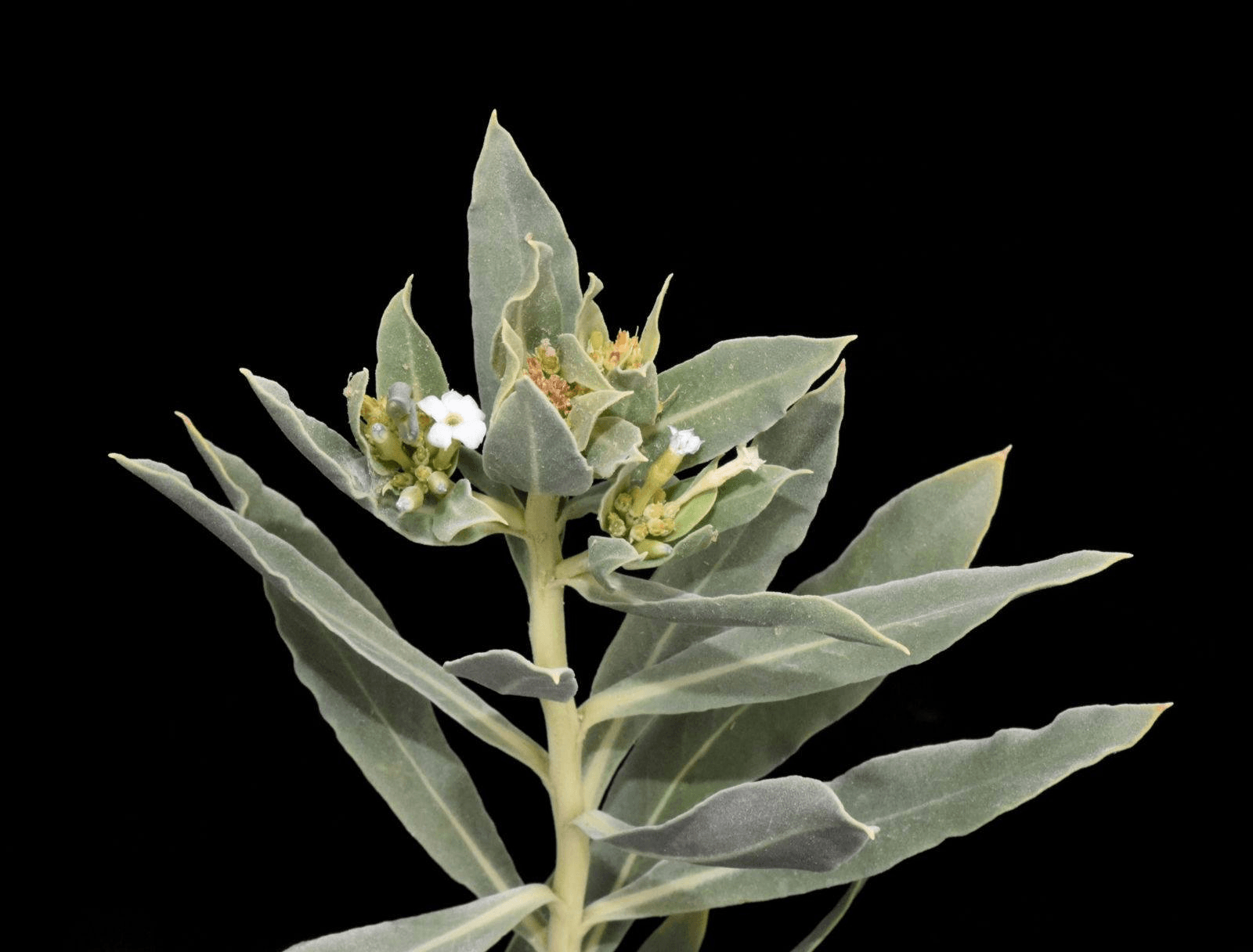
Is harmalan entheogen?
Before we get excited about what Benny Shanon claimed regarding the use of the Syrian Rue as a mind-altering plant among the Bedouins in the desert—I want to calm things down a bit. James Mandaville from the University of Arizona published, a few years ago, the first comprehensive ethnobotanical study of plant use among Bedouins in northern Saudi Arabia. And yes, I know it’s a fallacy to draw conclusions between cultures thousands of kilometers apart just because both are Bedouins and both are in “Arabia,” but still, his conclusions cast doubt on the white shrub being a psychoactive plant.
First of all, he claims, “It seems that there are very few wild plants of narcotic or psychotropic reputation in our study area. A Bedouin from the Shammar tribe told me, however, about a plant called Harj, which he claimed is a low shrub with leaves like tobacco, growing in the area of Sakakah in northern Saudi Arabia and reported as a hallucinogen. He said that a man who ate some leaves in the past became insane and spoke like a madman. A woman who ate from the herbs ran around like a locust, riding an imaginary donkey, and shouted that so-and-so had had sex with her.” The Arabic name “Harj” is linked to a root meaning confusion or disorder. He suspects it might be the plant henbane (Hyoscyamus), called in Arabic “sakran” (“drunken”) and known as hallucinogenic.
But secondly, and more importantly, it’s not even clear that “harmal” is Peganum harmala. In many places across the Arabian Peninsula, harmal is identified instead with the plant Rhazya stricta. It seems, he thinks, that in the desert the term “harmal” does not serve as a precise botanical identification but is more of an “umbrella term” for plants with similar folkloric uses in traditional medicine, primarily for treating pain and digestive problems. True, some also refer to the peganum as “harmal”, “but it is rare to see it growing in the study area.”
So much for dampening the excitement. And now perhaps I can revive the enthusiasm with the following twist: the etymology of the name harmal comes from Akkadian, where "anamiru" referred to a “medicinal plant used in rituals.” From Akkadian, the name rolled into Greek, becoming “armará” (ἀρμαρά), and later the flowing r sound shifted to an l. From there, the word returned into the Semitic languages, becoming “armal” and later “harmal.”
And we must be precise. Armalā in Aramaic means widow. This reminds us of two Baraitas: the first in Ketubot 65a, where it is told that one must not give too much wine to a woman, because the more intoxicated she gets, the more licentious she becomes. And it specifies, particularly when her husband is not with her—if she is given four cups, “even a donkey she desires in the marketplace and does not restrain herself”—a phrasing that slightly echoes the way the Bedouins described a woman under the influence of a hallucinogen. The second is in Sotah 22a, where it is told that a “wanton widow” causes the world to deteriorate, in the sense that she “changes the social order.” What does “wanton” mean here, and isn’t it clear that it has a negative connotation? Some interpret it as her going to her friends to gossip, but in most cases the sages hint at immodest behavior.
Rashi goes further and denounces her, linking her behavior with witchcraft: wantonness, he claims, means adulterous women and witches who show themselves as righteous so no one will investigate them. Later, he even provides a named example of such a widow-witch, Yohani bat Rativi, about whom Rashi says: “She was a widow and a witch, and when a woman was due to give birth, she would magically ‘close’ her womb. And after the woman suffered greatly, Yohani would say, ‘I will go and seek mercy, perhaps my prayer will be heard,’ and she would go and undo her spell, and the child would be born.”
From all this we can infer a few things: 1. A widow, in the absence of her husband, abstains from sex for too long and is just looking for an opportunity to “let loose.” And if this can be done via intoxicating drinks, then why not? 2. The witches of old were mainly those using medicinal herbs related to pregnancy and childbirth. And indeed, we know harmal in its form as the peganum harmala to be an abortifacient. What this widow, the armalā, did was use a plant called armal. With this poison she manipulated her patients into believing in her powers, and only when she was convinced they had “fallen under her spell” did she provide them with the antidote.
At this stage, I still haven’t decided whether we can trust claims that harmal is psychoactive, since the etymology and folklore hint that it might be, or whether we shouldn’t, because the name doesn’t always refer to a mind-altering substance or even to something used in women’s medicine…
-
Indonesian Shamanism
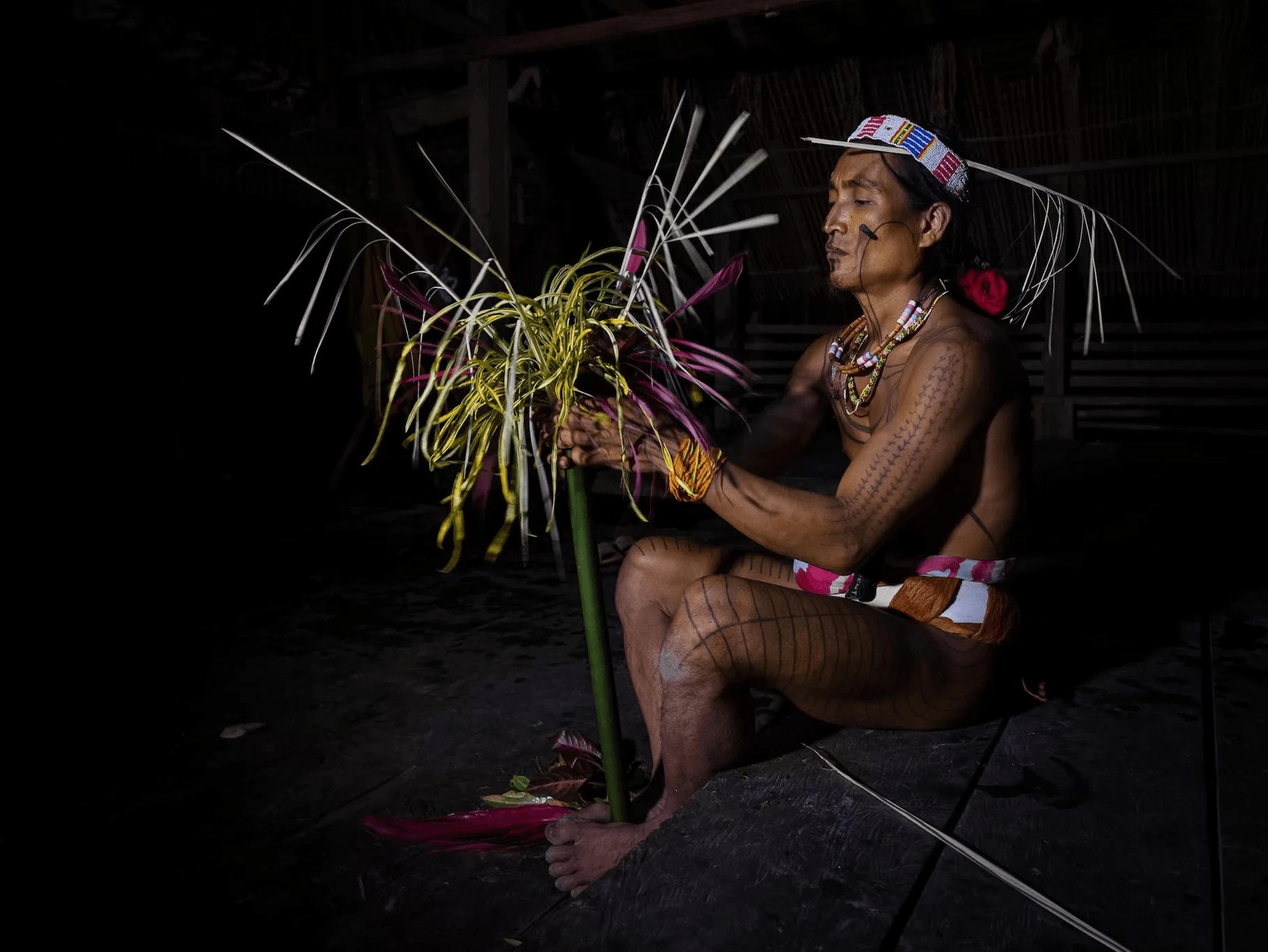
The Mentawai, an indigenous group numbering around 92,000 people, live in the Mentawai Islands, particularly on the island of Siberut off the coast of West Sumatra, Indonesia. For generations, they have practiced a complex belief system known as Arat Sabulungan, the “religion of the leaves.” The name reflects the central role of leaves and plants in rituals and ceremonies, where they serve as bridges between humans and the spirit world. According to Mentawai belief, the world is interwoven with souls (simagere). Every entity contains its own soul, which lives and acts alongside its physical body. These souls exist eternally, even after the body dies, roaming their realm while influencing and being influenced by the material world. The connection between body and soul is expressed in dreams, sensations, and moods, so maintaining a “happy soul” is a core principle of Mentawai life: good food, flowers, decorations, aesthetic appearance, and a relaxed lifestyle are seen as essential.
The world requires spiritual balance, and every action in the physical realm disrupts this equilibrium. Building a new house, hunting, giving birth—all require ongoing reconciliation with the souls to avoid revenge in the form of disease, misfortune, or disaster. Thus, each of these actions needs mediation with the spirits. This mediation is performed by shamans, called sikerei. The sikerei communicate through ritual mediators called gaut, which have special qualities enabling easy and effective contact with the spirit world. When using animals, especially pigs and chickens, the shamans read signs in their entrails. But most of the mediators come from plants—primarily leaves.
Leaves, physically, are the part of the plant responsible for interfacing with the external environment. The Mentawai, of course, could not describe this in botanical terms, but they intuitively understood that something inherent in leaves made them a “communication organ.” As animists, they defined this as a process moving the soul (simagere) and spiritual power (bajau), making the leaves living bridges between heaven and earth—reaching upward toward the sunlight and rain, yet also spreading sideways to cover and protect the ground.
The sikerei tie bundles of leaves, decorate their bodies with them, and prepare amulets, believing the leaf’s soul carries the message. They wear flower crowns, place feathers in their hair, and tie colorful leaves around their waists and heads. Their chests are bare, and tattoos cover much of their bodies—chest, arms, legs, and even their backs. These tattoos consist of complex geometric patterns, curved lines, and plant and animal motifs. They are considered a form of “spiritual armor” to ward off malevolent spirits. The tattoos are created using a traditional technique of needle pricking and plant-based dyes (such as charcoal mixed with oil).
For thousands of years, the sikerei were at the center of Mentawai society. Research suggests that the “religion of the leaves” dates back at least to the Bronze Age (1500–500 BCE). However, during the 20th century, this religion began to fade due to external pressures. Initially, Christian missionaries during the Dutch colonial period played a role, but after the Dutch left, it was the Indonesian authorities who took concrete steps against the indigenous religion. Viewing its traditions as obstacles to the “development” the government sought to promote, West Sumatra’s government outlawed the religion in 1954, giving the Mentawai three months to choose between Islam and Christianity, the only legal religions. The policy included forced relocations, bans on traditional ceremonies, the burning of ritual objects, and even prohibitions against growing long hair—a central symbol of identity. Many succumbed to religious and social pressures, but others fled to the interior forests of Siberut and continued practicing their ancient ceremonies in secret. Government officials avoided confronting these isolated communities, partly because their regions were rife with malaria. These communities survive to this day and are, in some way, attempting to revive their suppressed tradition. But this revival is fraught with difficulties, for the same reasons that countless indigenous cultures struggle to adapt in a world where their preservation remains fragile due to ongoing colonial damage, intergenerational ruptures, and the loss of spiritual environments.
Manvir Singh, an anthropologist from the University of California, Davis, explores this context in his new book Shamanism: The Timeless Religion. The book examines the Mentawai faith as a case study to illustrate what shamanism is, the role of shamans in society, and the place of consciousness-altering rituals within these practices. It also highlights how traditional shamanic societies grapple with modern external pressures: colonialism, competing religions, and especially tourism. Tourism itself complicates the preservation of traditional ceremonies, which are sometimes redesigned to meet foreigners’ expectations, detaching them from their original context—a phenomenon similar to what Bernd Brabec de Mori described among Amazonian tribes and their ayahuasca practices.
One notable aspect Singh describes about the sikerei is their ascetic lifestyle. The Mentawai divide people into two categories: the “uncooked” and the “cooked.” The metaphor refers to food processing. Ordinary people are called simata, because their souls are like raw, unprocessed food—not yet spiritually transformed. The sikerei, by contrast, are “self-cooked.” Their discipline includes strict dietary taboos, and metaphors around what might happen if they violate them often relate to unprocessed food. People who consume raw food risk infections and diseases, which could dull their senses. Similarly, if the sikerei consume forbidden foods, they may become spiritually contaminated, losing their special vision or even dying. Among their forbidden foods are eels, sole fish, certain monkeys, and they also abstain from sexual relations. Singh draws parallels to other indigenous groups with food taboos, like the Jiw in Colombia, the Ulithi in Micronesia, and the Yanomami in Venezuela. This could even offer insight into the strict dietary laws in Judaism, where non-kosher food is viewed as spiritually contaminating.
-

Psalm 104 as an entheogenic poem
Psalm 104 is a poetic hymn to the beauty of creation and the forces of nature, expressing a consciousness of nature-worship in ancient monotheism. An entheogen is defined as a medium that enables reaching an experience of mysterium tremendum, and therefore this very chapter places nature itself as a kind of entheogen. The poet enters a state of awe, an inner trance, ignited from intensive contemplation of natural phenomena. His reading of the world is not merely aesthetic, but a total experience of revelation – a sublime encounter with a vast, living, dynamic being, unfathomable by ordinary perception.
The poet describes with wonder how God is clothed in majesty and splendor, spreads light like a garment, stretches the heavens like a curtain. Here is described the moment of entry into the mystical experience: consciousness seeks to praise the divine being not out of ritual obligation, but from intense amazement, a sense of dissolution before the greatness. Through the sublime details of nature, the poet expresses ancient wonder and reverent awe: every part of creation is perceived as an expression of wisdom, of continuous goodness, and as testimony to a living divine presence. The text captivates with its poetic imagination and inspires an attitude toward nature of reverence and religious respect.
The God described in the chapter is not a static, judging, or instructing deity, but a being in motion, shaping the world through movement itself. Every natural phenomenon becomes a divine means of communication – not an external symbol, but a living experience. Nature itself – pantheistic God. And it is worth pausing here, because in this form, it truly emphasizes the role of divine intervention. The rhetoric is not one of "resource supply," but of "bestowing abundance." That is, nature is not functional; the function is not for the sake of man – rather the opposite: is man for the sake of the function, for the sake of the divine act – the "doing" (v. 4), the "founding" and "establishing" (v. 5), the "creation" (v. 26), the "bringing forth" (v. 30).
This pantheism is expressed in that the spiritual presence of God in the world is in fact the being of creation as an extension of God Himself. Creation is not a one-time act but a constant transition between unity and multiplicity – a cosmic movement governed by an inner pulse of expansion and contraction, like an accordion of reality. The description of time and space in the chapter expresses this motion: Time is articulated into cycles of moon and sun (vv. 19–23), Space is stretched into expanses of sea and leviathans (vv. 24–26), but both are subject to containment and contraction the moment God "sends his spirit" (v. 30). This expansion of the dimension is “craft” and “service” (v. 4), whereas the renewed contraction is “action” and “work” (v. 23). These two – disassembly and unification – are expressions of divine, breathing vitality, whose rhythm is the rhythm of all reality.
Everything I wrote here is nothing but an embodiment of ideas that were expressed in the Kabbalistic "doctrine of tsimtsum" and in Neoplatonism. I poetized a little to demonstrate that the Kabbalistic perception is simply another facet of the “entheogenic theory”. And I haven’t even started yet to speak about the references to "wine that gladdens the heart of man", and the many plant substances that arise here and there between the lines.
-
The way cannabis is embedded in Indian culture
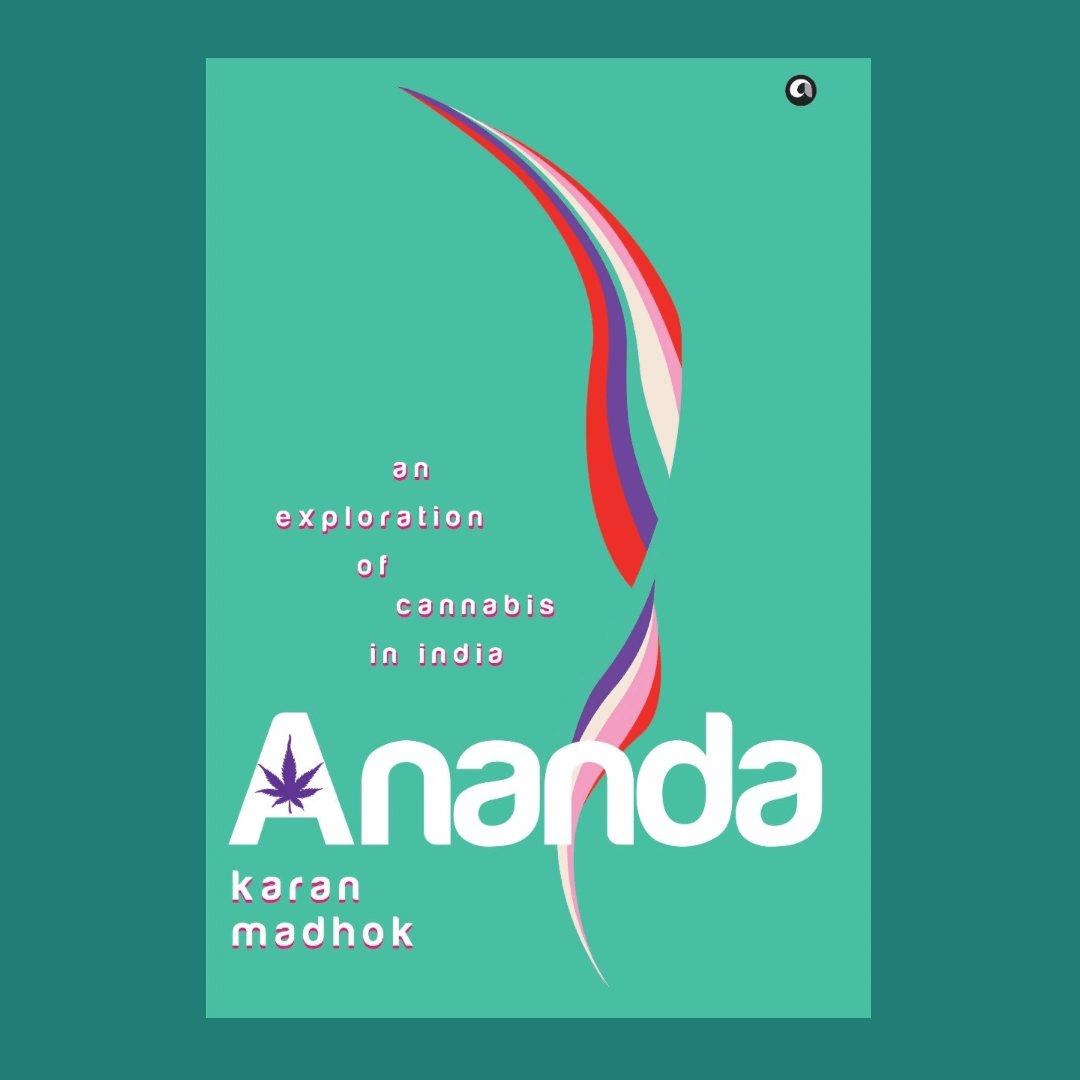
According to the information presented in Ananda: An Exploration of Cannabis in India by Karan Madhok, cannabis has played a clear and multi-layered religious role in Indian traditions throughout the ages. Its use transcended religious boundaries and integrated into folk rituals, mystical practices, healing rites, and devotional ceremonies. It has long been associated with ananda, or supreme bliss. For this reason, Madhok questions why India’s current drug policy, based on the Narcotic Drugs and Psychotropic Substances (NDPS) Act of 1985, is so hostile to cannabis—particularly to the flower, where THC concentrations are highest. He argues that the traditional relationship between Indian culture and cannabis renders its use both familiar and relatively safe. In the absence of such a culturally embedded substance, a vacuum of consciousness is created—one that is often filled by extreme and synthetic chemicals. Beyond health and legal concerns, the ban undermines a long-standing cultural and spiritual resource.That said, Madhok’s advocacy for legalization is less relevant to our interest here. What we take from his work is the deep and traditional uses of cannabis across Indian culture—not only within Hinduism but across religious lines, as evidenced throughout Indian history.
To begin with Hinduism: cannabis, especially bhang, is directly associated with the god Shiva. According to mythology, Shiva discovered the cannabis plant in the desert while seeking refuge after a quarrel with his family. He consumed its leaves to cool himself, and since then, the plant has become a spiritual symbol linked to the deity. It is consumed in rituals such as Maha Shivratri, Holi, Hajari, and others. Bhang is considered prasad—a sacred offering—and is taken for spiritual purification, release from desires, and sometimes as preparation for meditation. It is viewed as a means to achieve union with the divine, reinforcing the mystical and tantric dimensions of worship. Cannabis is also mentioned in the Atharva Veda, where it is named as one of the five sacred healing plants, believed to carry divine power and angelic protection.
Among Indian Muslims—particularly the Sufi mystics, who are still active in many parts of India—cannabis is associated with the figure of Al-Khidr, the "Green One," a legendary guide in esoteric consciousness and hidden wisdom. Sufis have traditionally used cannabis to stimulate inspiration, spiritual elevation, and divine connection, often within circles of music, poetry (qawwali), and meditation.
In Tantric Buddhism—especially within Himalayan lineages—cannabis has held both a medical and spiritual function. It has been used to sharpen attention, relieve pain, increase bodily endurance, and, at times, to support deeper states of meditative focus.
Among the Sikhs, the Nihang sect (traditional warrior ascetics) consumes a cannabis-based drink known as Sukha Prasad (literally “bliss offering”) during the Hola Mohalla festival. Although Guru Nanak, the founder of Sikhism, is believed to have opposed mind-altering substances, the Nihangs incorporated cannabis into their warrior-spiritual practice, which blends ecstasy, discipline, and devotion.
The fact that cannabis serves as a shared motif across all of India’s major religions—and is not confined to any one denomination—renders it a cultural and spiritual bridge. So deeply embedded is it in Indian life that even religious groups which traditionally opposed external stimulants (like the Sikhs) have not entirely distanced themselves from it. For this reason, Madhok refers to cannabis as a “secular” substance—no less secular, he argues, than the Indian Constitution itself.
-
A very comprehensive article on entheogens
The Encyclopedia of Life Support Systems (EOLSS), initiated by UNESCO, is a comprehensive international academic endeavor aimed at collecting, preserving, and disseminating interdisciplinary knowledge related to sustaining human life and Earth's ecosystems. It comprises thousands of peer-reviewed scientific articles written by experts from around the world, offering an integrative overview of diverse fields of knowledge.
The article "Psychoactive Botanicals in Ritual, Religion and Shamanism" by Glenn H. Shepard Jr. was published as part of the EOLSS collection in the domains of religion, culture, and medicine—specifically within the historical, medical, and anthropological exploration of consciousness-altering plants. Spanning nearly 50 pages, the article presents a survey of 22 significant psychoactive plants used in religious or ritual contexts worldwide, supplemented by information on ten additional species. Each plant’s cultural and historical background is discussed alongside relevant botanical, chemical, and pharmacological data. An appendix summarizes plant names, their traditional and biomedical uses, and their active constituents.
Among the plants covered are: ayahuasca, peyote, San Pedro cactus, psilocybin mushrooms, Amanita muscaria, iboga, cannabis, opium poppy, tobacco, Datura, Brugmansia, Atropa belladonna, Salvia divinorum, yopo, kava, betel nut, coffee, ergot, coca, blue lotus, and others.
Beyond the survey, the article offers compelling theoretical insights that make one grateful that UNESCO provides a platform for such subjects. For example, it asserts that the spiritual use of psychoactive plants is both universal and extremely ancient—evident in Paleolithic art, traditional shamanic rites, and ancient mythologies. These practices are foundational to religion. Their use is inseparable from social, ritual, and cosmological contexts. Cultures historically approached these substances with reverence—until the Catholic Church launched a targeted crusade against anything resembling Indigenous spiritual knowledge. This introduces a colonialist and patronizing Western dynamic, in which part of the goal today is to reconstruct knowledge that was nearly erased, and to contribute to scientific domains that were deliberately obscured—domains that hold the key to a deeper understanding of medicine, psychology, and consciousness.
The article embraces a progressive, inclusive worldview often promoted by UN institutions, arguing that entheogens are not “drugs” but ancient gateways to consciousness, healing, and profound religious experience, tragically lost to the West when they were rendered taboo.
Glenn H. Shepard himself is an ethnobotanist and anthropologist who spent many years working in the Amazon. He is a senior researcher in the Department of Human Sciences at the Goeldi Museum in Belém, Brazil, and a visiting professor of anthropology at Princeton University in New Jersey. He earned his degree from the University of California, Berkeley in 1999. His work was also featured in the Emmy Award–winning documentary “Spirits of the Rainforest.”
-

Phoenician initiation rites in Tyrian purple production laboratories
In the past, we explored the possibility that the process of producing Tyrian purple induces, over time, bromine poisoning characterized by neurological and psychotropic side effects, and that this was the catalyst that drove the ancients to produce it and sanctify it. But it turns out that bromism is only a side issue, and there's another toxin in Tyrian purple that may actually be the main catalyst – murexine.
What makes Tyrian purple unique is a distinctive "bromo-organic compound" found within it, which cannot be obtained in any other way except through processing the secretion of the marine snail. What’s special about such compounds is that they are essentially indigo pigment molecules “reinforced” with bromine atoms. Specifically in Tyrian purple, this is called 6,6′-dibromoindigo. The addition of the bromine atoms to the indigo compound affects the structure of the conjugated double bonds in the molecule (never mind what that means), thereby changing the way it absorbs and reflects light – leading to the unique deep crimson color. These couplings also make the dye so durable when it binds to wool; “durable” meaning “non-fading.”
What happens along the way involves many oxidations and complex, delicate breakdowns, which occur through exposure to light and oxygen along with some solvents. At the end of this chemical process – which includes “to-and-fro” procedures where one performs a step and then its reversal and again and again – only then do these bromo-organic compounds oxidize and bond together, thus forming the insoluble, dark and durable purple pigment.
But what’s the catch? During this process, various other compounds are released into the air. One of them is the molecule murexine (also known as urocanoylcholine). In the snail's system, murexine is a defensive toxin located in the same secretion gland, but as mentioned, it plays no role in pigmentation and is “filtered out,” whether intentionally or not. Probably unintentionally – our ancestors were not chemists, they were simply deranged experimenters who probably enjoyed what the murexine did to them. So, what does murexine do?
Murexine is what’s called an “ester” – I’ll explain shortly. As such, and especially because it contains a substance called “choline,” it mimics the action of another ester called acetylcholine, which happens to be an important neurotransmitter that transmits signals from nerves to muscles. Acetylcholine affects voluntary muscles and the parasympathetic system – that is, heart rate, digestion, blood vessels, etc. It is also responsible for learning abilities, memory, focus, and alertness in the brain. Damage to the acetylcholine system in the brain is linked to neurological diseases such as Alzheimer’s. Scientists (Henry Dale and others) won a Nobel Prize for studying another toxin that disrupts acetylcholine – ergot, another purple substance.
As noted, murexine is an ester. An ester is a chemical compound formed by the combination of an acid and an alcohol, releasing a water molecule. Choline is that alcohol-like substance in the specific ester we’re discussing, and murexine is made of choline too. But instead of being made from acetic acid, it is composed of another acid (called urocanic acid, though the exact identity doesn’t matter). Thus, a substance is formed that resembles acetylcholine, but unlike acetylcholine which breaks down quickly, murexine does not degrade. The enzyme responsible for breaking acetylcholine (acetylcholinesterase) does not affect murexine, and therefore it is not broken down – preventing the controlled reactivation of the nerve. This leads to excessive nerve stimulation – which means what? Convulsions, or alternatively disruption of the muscle mechanism – i.e., paralysis, or what is called “neural suppression.”
One of the systems affected by this neural suppression is the respiratory mechanism. That is, the person does not breathe; the respiratory centers in the brainstem continue to send breathing commands, but the execution muscles – namely the diaphragm and intercostal muscles – do not respond. (By the way, one symptom of low oxygen saturation in the body is purple hands – see image). This results in a state where, despite the brain’s desire and expectation, oxygen does not reach it. And when oxygen does not reach the brain, a phenomenon called “hypoxia” occurs. We’ve encountered hypoxia in the research of Prof. Ran Barkai – it was, according to him, the reason why ancient humans sought out the depths of caves, the deeper the better. Because the deeper it is – especially with fire consuming all the remaining oxygen in the air and turning it into carbon dioxide – there is less oxygen and more potential to induce clinical oxygen deficiency in the brain, which causes that hypoxia.
Mild hypoxia causes damage to the sensory, emotional, and conscious processing centers. In the absence of oxygen, irregular electrical activity occurs, similar to an epileptic seizure or dissociation – a sensory disconnection. As it intensifies, euphoria and a sense of bodily release develop. This phenomenon is documented among pilots, divers, high-altitude climbers, and even in partial suffocation experiments. As the condition worsens, visual, auditory, or synesthetic hallucinations occur, deep confusion arises, delirium, and eventually unconsciousness – which may be avoided if the person is ventilated at some point. Ventilation may be artificial or natural if the absorbed toxin dissipates – that is, if the amount was not lethal but only moderate. And this is the dose the Tyrian purple producers aimed for. In medical terms, this is temporary reversible respiratory paralysis without causing brain damage. Whoever reached this state became holy.
To reach this state, one consumes murexine – not by swallowing, because murexine breaks down in the stomach – but through skin contact, especially through cracks in the skin, or by inhalation. The snails were fermented, rotted, and heated – creating a greenhouse for toxins and gases that were absorbed into the body of the Tyrian purple producer.
We can imagine a scenario where dye-makers – perhaps considered priests – developed over generations a practical understanding of the vapor effects released during the heating of the secretion gland. They channeled these effects into a full religious ritual in which an initiate, or a priestly candidate, enters an enclosed space or “hot-box,” where glands of decomposed snails are burned, accompanied by incense or other perfumes. The rising vapors contain both early Tyrian purple components and neuroactive substances. Within minutes, a sensation of confusion and euphoria begins, and progressive bodily relaxation occurs. The initiate loses control over their muscles – to the point that breathing weakens or stops. At this moment, when the initiate convulses and their soul departs on an out-of-body journey (“soul” meaning “breath”), their companions perform some kind of primitive resuscitation or massage. As natural recovery begins, breathing resumes – slowly the body awakens, consciousness clears, and the experience solidifies into a narrative of death and rebirth.
-
The Ethiopian king-serpent myth and the African Euphorbia link
Back when we dealt with volcanoes and myths about the battle between the storm god and the gods of the underworld and waters, I brought the example of Lake Tana in Ethiopia and the Blue Nile waterfall, as an ancient attempt to personify a volcanic natural phenomenon. Seemingly, this myth was an attempt to explain a technological development like obsidian, and its physical and gemological qualities were linked to properties against demons. That was the second example, while the first example was Mount Erciyes in Anatolia (in antiquity: Mount Argaeus). I showed how mythification of geological phenomena in the region created the original myth of the Anatolian storm god, who arrived via trade also to Mesopotamia and ancient Greece. This is none other than Zeus, Marduk, Hadad, and Baal. The same storm god fights a terrifying and distorted primordial monster, and after defeating it, creates the world from its remains. The myth evolved into a story about a warrior fighting a monster, especially at the end of days, when his victory brings redemption – a kind of eternal return.
We dealt with Ethiopia. So it turns out that a similar myth also developed in Ethiopia. Today I want to expand on it. First of all, how did such a myth arrive in Ethiopia? Is it a kind of collective subconscious that can transmit themes from one edge of the known world to the other? I argued that it is a personification of natural phenomena and mythification of primitive scientific explanations. Did people at both ends act the same way? Maybe. And maybe it’s the mediation of a “scientific” culture whose representatives transmitted the knowledge. Such a culture could be Greece—the Ptolemaic dynasty sent research missions to Ethiopia and was also interested in Anatolia. Of course, it believed in Zeus.
Historians thought otherwise. Joseph Halévy believed the Ethiopian myth was born from the direct influence of merchants who arrived at the kingdom of Aksum, specifically Iranian merchants who told the myth of Zahhak, the Iranian dragon-king. Conti Rossini hypothesized that the story’s origin was in Egypt, from a snake-god figure who ruled the land of Punt during the Middle Kingdom. In any case, at a relatively late stage, it is clear that the myth underwent a Christian makeover under biblical influence from the Book of Isaiah and the story of Bel and the Dragon (one of the apocryphal additions to the Book of Daniel), and the defeat of the dragon symbolized victory over the infidels. At first, of Christianity over paganism, and finally, as Zeev Rubin argues (in the article “Mythological Snakes in Iran and Ethiopia: Tradition and Religious-Political Propaganda in Late Antiquity” from the book Humans and Other Animals in Historical Perspective, Carmel Publishing, 2007), the Christian kingdom of Aksum’s victory over the Jewish Himyarite kingdom in 525 CE. Be that as it may.
The myth is about a monstrous snake named Arwe who rules Ethiopia and imposes a reign of terror until he is eventually killed by a savior figure named Angabo, who is rewarded with the crown for his deeds. In some versions, he is called by another name, Wainaba, and in some cases, this is not Angabo who kills him, but the idea is clear.
Broadly speaking, there are three versions of the story, probably reflecting three layers: the first is pre-Christian, the second is propaganda of the Solomonic dynasty that tried to appropriate the ancient Ethiopian myth and thus give itself legitimacy, and the third is the hagiography of the Ethiopian Orthodox Church linked to Aksum’s Christianization. What all have in common is that the monster demands a human sacrifice, usually virgins, sometimes just livestock. A mysterious hero appears and kills the snake using tricks and strategies, and in return, as noted, inherits the throne and leads Ethiopia to a golden age of justice and order. And as it was then, so it will be in the future. That is, even if there was decadence, there will be future revival, and order will return forever.
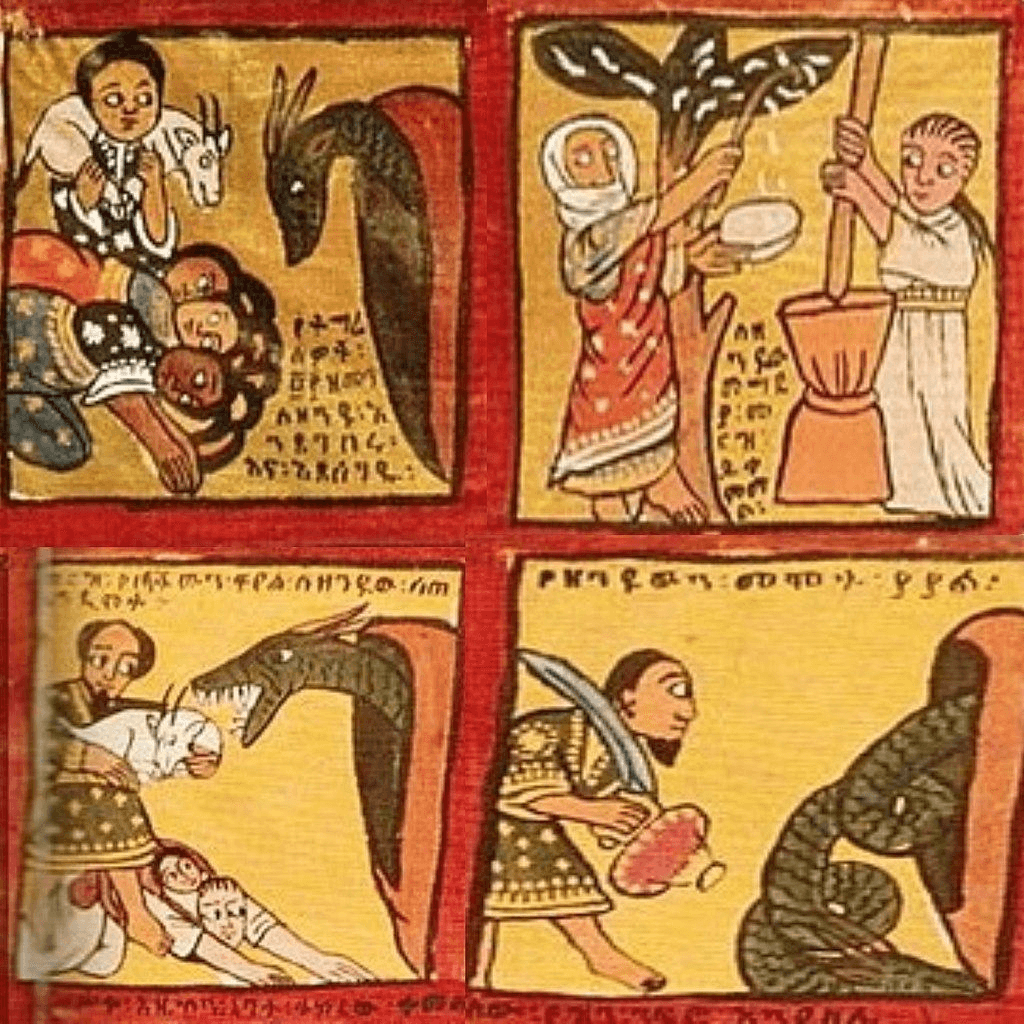
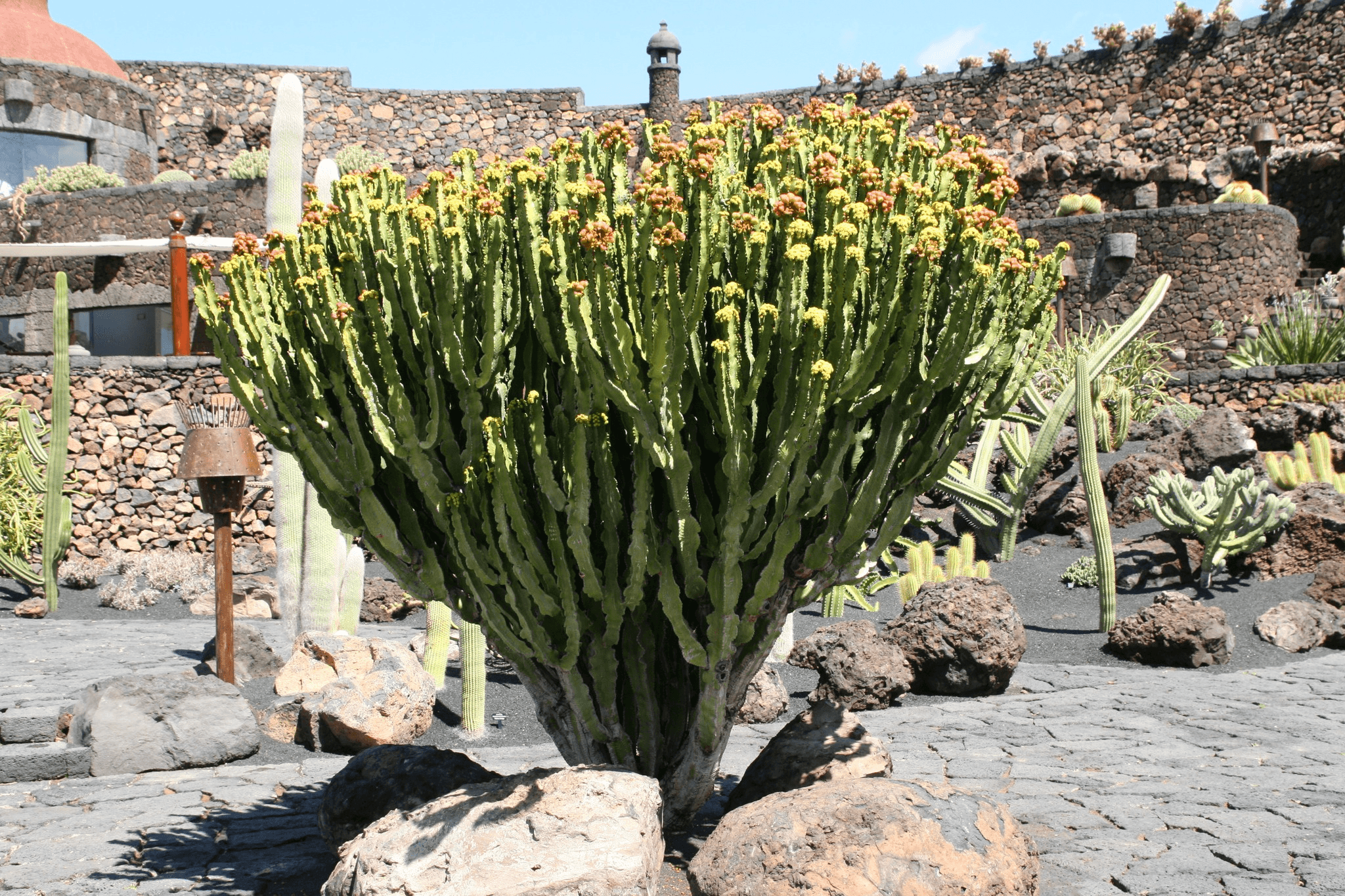
The first pre-Christian version was transmitted orally and does not appear in a canonical text. According to this version, the dragon Arwe ruled Ethiopia for 400 years and demanded sacrifices of virgin girls and bulls. A foreign man offers to save the next daughter in line, gives the dragon a sacrificial ritual including poison, and causes his death. The hero is appointed king, sometimes called Agabos or Angabo. The poison is described as from the euphorbia plant, indeed a toxic plant whose white sap is harmful to the skin and of course forbidden to ingest, as it causes burns to internal organs. The euphorbia growing in Ethiopia is unique in that it is not just a shrub but a tree, sometimes huge. Its sap was used as arrow poison throughout Africa.
It turns out that among the Zulu there is a legend about the umdlebe, a carnivorous tree with claw-like branches and octopus-like roots, which according to stories can move when no one is looking. This tree is involved in black magic, and people are afraid to even be near it, because it emits a pleasant and seductive scent and then kills whoever approaches. It is believed to be a variant of euphorbia considered a plant used in black magic. This thing is not related to Ethiopian folklore and is found only among the Zulu, but maybe the second version links it after all.
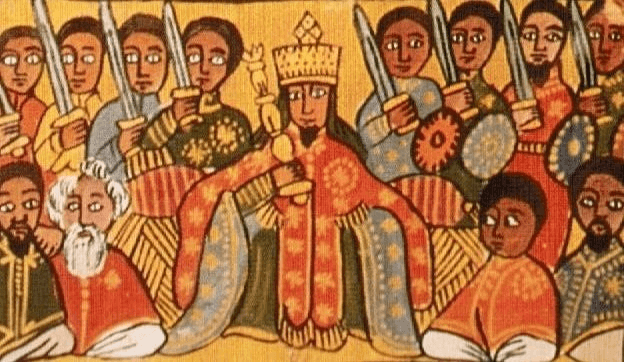
The second version is the one meant to give legitimacy to the Solomonic dynasty. In this version, Angabo turns out to be the father of the Queen of Sheba, so in exchange for killing the snake Wainaba, he received the kingdom lawfully. In fact, that was his condition for killing it using his magical abilities. And what are they? The practice he uses is burying a glowing iron tool in the dragon’s lair – the burial of fire in the ground is a purification ritual that threatens evil spirits. Angabo is described as a kind of sorcerer who tricks and kills the monster, a kind of Ethiopian equivalent to the West African Anansi.
As noted, the connection to other traditions from Africa is speculative, but similar rituals can be seen in all directions. Among the Zulu, for example, we spoke of using the umdlebe tree, which is not clearly identified but is believed to be euphorbia (Synadenium arborescens or Euphorbia cupularis). Berglund describes a ritual in which an umkhovu is created – a kind of zombie, a person brought back to life after death through dark magic and used as a servant-messenger by witches for sabotage tasks through seduction. This umkhovu is created by extracting a freshly buried corpse and reviving it. Usually, the one who killed the person is the one performing the ritual, but exhuming him is dangerous. To do so, they use one of two methods: either using a proxy, an anteater to do it so that if someone is harmed, it’s him. Or simply perform magic and the dead comes out by himself. The magic is taking a branch from the umdlebe tree, striking the grave, and calling the dead by name. Then, the dead emerges from his grave. Afterwards, the dead is neutralized by inserting a sharpened stick of umdlebe through his body – the stick enters through the fontanel (the soft spot on the skull) and exits through the anus. The umkhovu’s tongue is split to resemble a snake’s tongue (ukunquma ulimi), and his eyes are painted red – “so that he can see at night.” (From: Berglund, Axel-Ivar. Zulu Thought-Patterns and Symbolism. London: C. Hurst & Co., 1976, p. 442)
This slightly resembles voodoo, and Anansi resembles the description of the umdlebe tree – so the connection is possible. But in this context, what’s important to us is the connection to the snake. A forked tongue is considered among the Zulu a trait of duplicity, of cunning that can be negative but mostly reflects wisdom and therefore must be used responsibly. Such a tongue has the python. The Zulu revere the python (imamba), and see it as amakhhosi ("the lords") – a symbol of power, spiritual wisdom, connection to sources and ancestral spirits. In certain contexts, the appearance of a python was considered a spiritual sign or a manifestation of a protective being, giving it an almost divine status. It is believed the python is not dangerous to humans and should be treated with respect. Sometimes its appearance is linked to initiation rites, spiritual maturity, or a call to traditional leadership. One such initiation ritual is a ritual of catching a snake, boiling it several times, burying its head and flesh in the ground, washing its bones, and creating a necklace from the clean bones, a necklace representing the initiate's power.
Jacob A. Tropp reports (in the article “The Python and the Crying Tree”) on a story orally transmitted since the 1930s, in which the Zulu describe a particular tree that cries because within it lives the sacred python. The story is told to missionary R. H. W. Shepherd, who refuses to believe and calls it a "childish legend." They ask him to cut down the tree, but he refuses, causing a crisis of trust between them. What is that tree? Why is it crying? The article does not identify the specific tree by its scientific or folkloric name but it is clear that it is the umdlebe, from which the white sap emerges, symbolizing the python's power. Although euphorbia is not psychoactive, as a poison it is considered sacred and represents the python. Although it also has another, darker side, and we see that the umkhovu’s abilities are infused into the revived dead through the tree’s sap and the transfer of its properties – for purposes of black magic. Again, we see a snake symbolizing the duality of poison, and the victory over this snake may symbolize harnessing the positive power of this poison for spiritual elevation.
Let us return to the third version of the Ethiopian myth. This version is a development of the story that Angabo is the father of the Queen of Sheba. In this story, one of the girls chosen for sacrifice is none other than the Queen of Sheba, known by her name “Eteye Azeb.” This girl is tied to a tree. Seven Christian saints appear, one of them attacks the dragon with a cross, and they defeat it. Later, the dragon’s blood touches the girl’s heel. She is banished from the village, returns with the dragon’s corpse, is crowned leader, and eventually travels to Jerusalem and meets Solomon. According to Christian tradition, these events took place on one of the islands in Lake Tana. The memory of those saints is commemorated on that island, where monasteries of the Ethiopian Church were established. And not only that. It is claimed that the Ark of the Covenant, brought by the Queen of Sheba, was buried on one of those islands, and there also lie the tombs of some of the first kings of the Solomonic dynasty.