
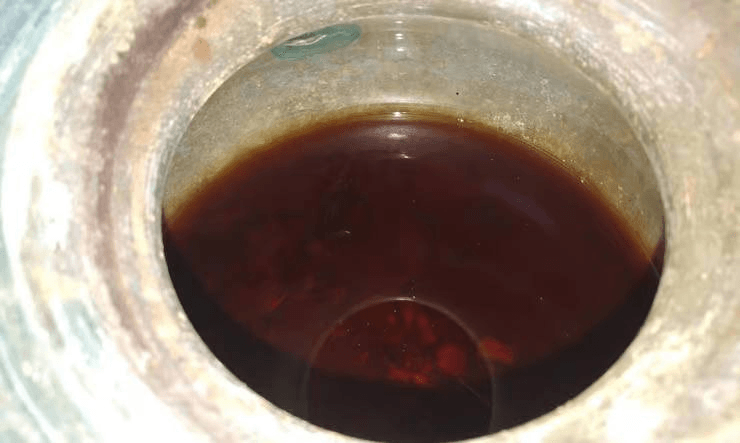
In Carmona, Andalusia, Spain, a team of researchers from the University of Córdoba, led by Professor José Rafael Ruiz Arrebola, discovered a glass urn containing a reddish liquid, identified as the oldest liquid wine ever found, dating back about 2,000 years. This "breaks" the previous record, when liquid wine was discovered that was "only" 1,500 years old (i.e., in the 19th century, from the 4th century).
The urn was found in a Roman burial structure that was accidentally uncovered in 2019 during home renovations. The researchers analyzed the liquid using a series of chemical tests and confirmed it was wine by detecting seven polyphenols found in modern wines from the same region. The liquid’s pH level was 7.5, close to that of water, and the polyphenols matched those found in white wines from the area.
The burial structure contained eight burial niches with urns made of limestone, sandstone, glass, and lead. Each urn contained the skeletal remains of an individual, and two of the urns bore the names "Hispanae" and "Senicio." The urn with the wine also included the cremated bones of a man, a gold ring with a double-headed Janus, and metal remnants of a cremation bed. The findings provide insights into Roman funeral rituals, including gender-specific practices. The wine, jewelry, and perfume found in the urns were part of burial items intended to accompany the deceased on their journey to the afterlife. The exceptional preservation of the urn and wine is a testament to advanced Roman storage and preservation techniques and the unique environmental conditions that allowed their preservation for nearly 2,000 years.
My note: it could be that these graves were opened and closed during the feast of the dead that was held in this mausoleum, and the liquid wine is not an offering that was buried with the dead, but rather the remains of a feast that for some reason were not removed from the place, or buried together with the dead under one or another circumstance…
הצטרפו לרשימת התפוצה שלנו
כתיבת תגובה