
קטגוריה: english posts
-
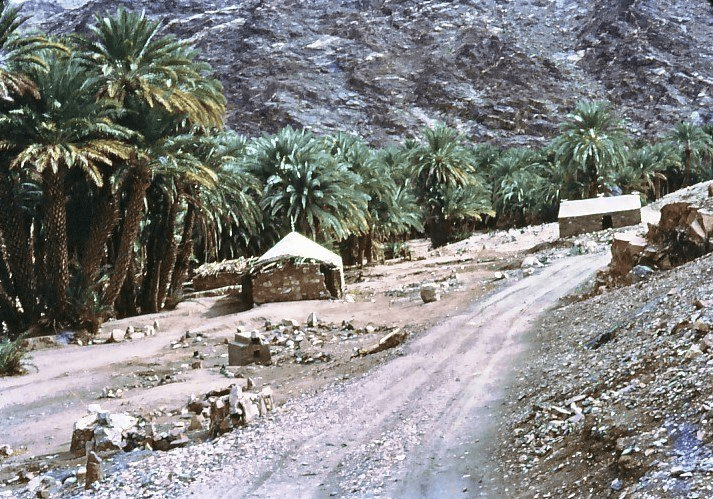
Exodus in Wadi Feiran
The lecture series by Dr. Uzi Avner, which has just concluded, “The Desert, the Origins of the People of Israel” (on the website meteg.co.il), in addition to defending the maximalist approach [which argues that the biblical narrative contains a historical core, even if it is not accurate and often fuses several historical kernels into one], also examines…
-
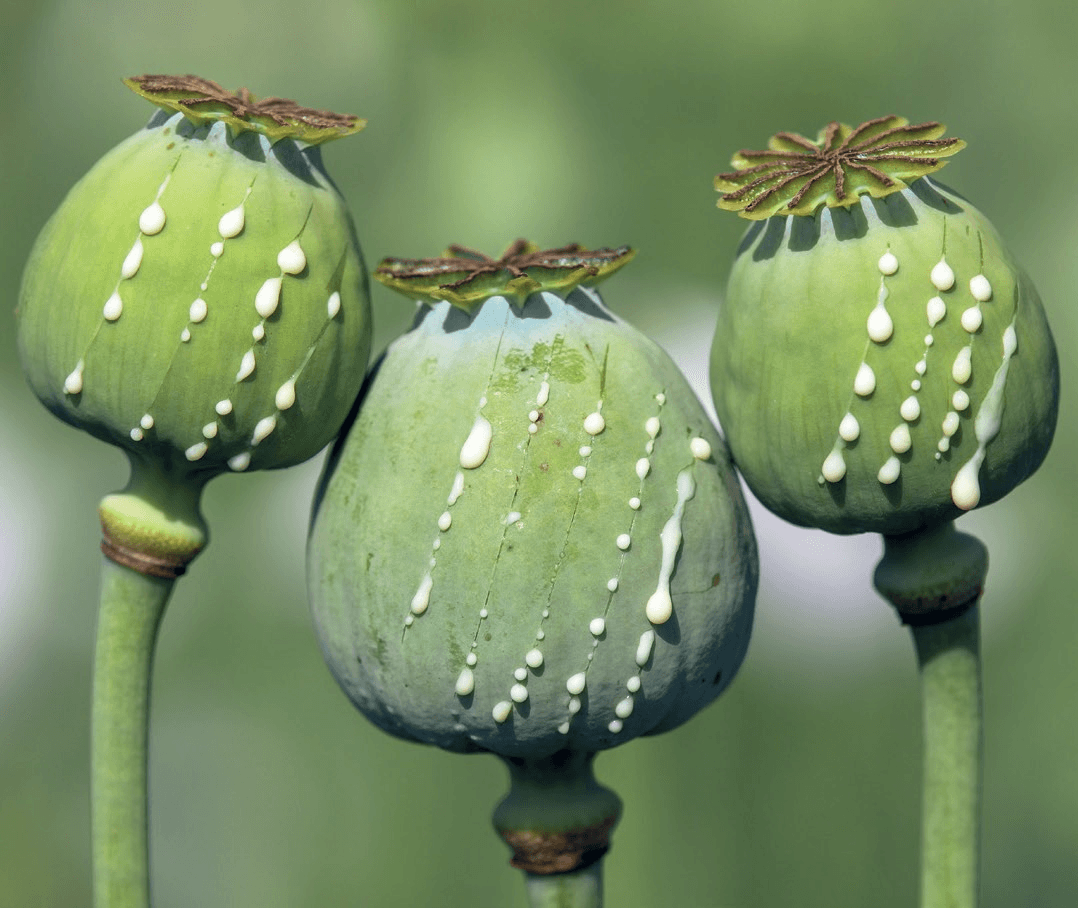
Early history of the poppy
The opium poppy (Papaver somniferum) is a domesticated species. It has no wild counterpart. In other words, it was created by humans—whether through hybridization, selection, or encouraging mutations. It is considered one of the earliest agricultural species to undergo a process of “primitive genetic engineering,” alongside wheat, barley, and coca. Most botanists agree that its…
-

Entheogens as "key plants" and "threshold plants"
Religious ritual actually developed out of the admiration for technology. Humanity discovered that it was capable of controlling the forces of nature, and what was missing was only the ability to do so on demand. Through trial and error came successes, and these actions turned into something like magic shows. Originally, magic was perceived almost as…
-
Myth-Ritual theory and the religion as a primitive science
Throughout history, human beings have sought to understand their world and to control it – from comprehending the cycles of nature, to coping with anxiety and death, to preserving social order. Before the advent of modern science, the central tools of human culture were myth and ritual. The question, of course, is which came first –…
-
Cannabis, Sacred and Profane
Christopher Partridge is a professor at Lancaster University specializing in the intersection between religious studies and popular culture—naturally, with a focus on New Age spirituality and renewed expressions of ancient ideas, especially religious ones that have undergone secularization, or religious ideas that, according to some, were unjustly secularized and should now be restored to their…
-

Dog's saliva and feces in women medicine
The dog was an animal with religious significance, as we saw in the previous post. However, it was probably not domesticated for its cultic role or for the qualities it was thought to possess in guiding souls to the underworld. It is, of course, tempting to think that everything humans did was the result of…
-
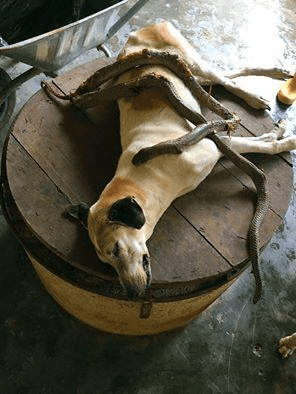
The dog as a psychopomp
The term "psychopomp" is derived from the Greek words "psyche" (soul) and "pompos" (guide). It refers to a being that guides souls to the afterlife, whether through death or reincarnation. Psychopomps can be human figures, animals, or gods. In many cultures, their role was to prepare souls for meeting the gods or to lead them…
-
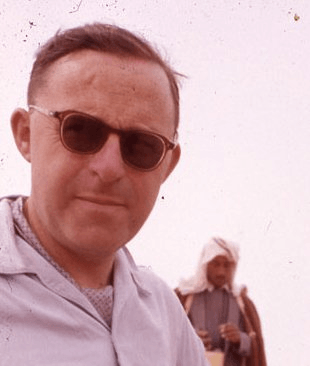
On the Origins of Western Psychedelia: Exploring Allegro’s The Sacred Mushroom and the Cross
The journal "Religions" by MDPI is releasing a special issue titled "On the Origins of Western Psychedelia: Exploring Allegro’s The Sacred Mushroom and the Cross". The issue includes two articles that discuss Allegro's 1970 book "The Sacred Mushroom and the Cross", its rejection by academia, and its adoption by other movements, on the fringes of…
-

The place of “sakau” in the culture of the islanders of Pohnpei in Micronesia
Before I write about what I want to write, about kava/sakau, it is worth noting a confusion we are already aware of but continue to be confused by. In Hebrew, as well as in English, Spanish, and all the Western colonial languages and those that developed by borrowing from them, there is a constant confusion…
-
Religious Ecstasy as part of the structure of the human soul
The goal of the book "The Bloomsbury Handbook of Religious Ecstasy" is to argue that ecstasy is not a deviation from the norm and not a marginal phenomenon, but the opposite: it is part of the structure of the human soul. The human soul seeks it and finds it even today, when religion has changed…