
-
flower gifts for the hindu gods and goddesses
In Hinduism, flowers are considered appropriate gifts for the gods due to their deep symbolic meaning. They symbolize purity, beauty, and love, and are believed to please the gods and connect the devotee to the divine. Flowers also represent the transient nature of creation and the connection between the earth and spirituality. They are used in rituals as part of religious ceremonies, placed in temples, outdoor ceremonies, or home altars as a way to seek blessings from the gods and connect to spiritual energy. Each god or goddess is associated with specific flowers, which, according to tradition, bring blessings and forgiveness to the devotees.
Among the popular flowers used in Hindu worship are jasmine (for Vishnu), red hibiscus (for Kali), marigold (for Shiva and other gods), and lotus (favored by Lakshmi). Each flower is linked to the spiritual qualities and virtues of the deity to whom it is offered. However, some flowers are considered unsuitable for certain gods. For example, red flowers like plumeria and screw pine flowers are forbidden in the worship of Shiva. Basil is favored by Vishnu but should never be offered to Ganesha. Lord Shiva grants blessings to those who worship him by offering wood apple leaves, but these leaves are not suitable for the worship of Surya, the sun god. Additionally, the ketaki flower is cursed by Shiva and is not offered to him, except during the annual Mahashivratri festival, when its use is exceptionally allowed.
-
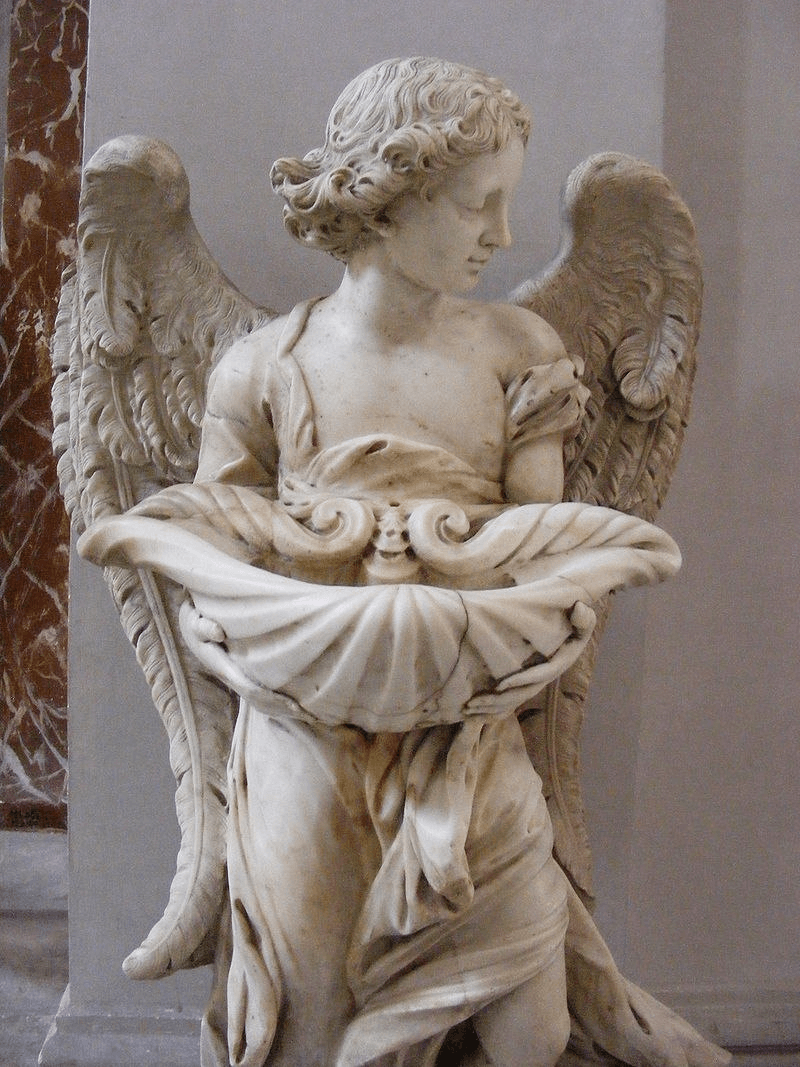
how the Jewish religion was actually influenced by the Greek religion regarding sacrifices, impurity, and purification — through the use of holy water.
During the time of the Jewish Temple, the purity laws were so strict that if you entered the Temple, you had to be ritually pure. If you entered while impure, the punishment was kareth (extirpation). This is similar to the Greek religion, where one had to wash their hands in sacred waters (chernips, χέρνιψ) to participate in rituals. In order to take part in religious worship, purity was a mandatory requirement. However, the similarity between Judaism and Greek religion does not end with Temple rituals, but extends to all aspects of life. The reason for this is the allegorical interpretation, where the heart and soul become the Temple.
After the destruction of the Temple, while the purity laws were no longer relevant, the Temple became an "internal Temple" within a person’s soul. Sacrifices were replaced by prayer, and before prayer, one needed to be pure. Torah study, in this sense, is equivalent to prayer. This is why before prayer (and Torah study) one must wash their hands. Some take a stricter view and say that before performing any mitzvah, one must be pure, meaning that as long as a person is not pure, they cannot fulfill mitzvot unless they have washed their hands. Therefore, in practice, almost every action requires handwashing, especially before eating, as one is required to recite a blessing both before and after the meal.
The general explanation of the essence of handwashing appears in Tractate Berachot, where it is explicitly stated that the Beit Midrash (study hall / synagogue) replaces the Temple ("Since the day the Temple was destroyed, God has nothing in His world except for the four cubits of halacha," Berachot 8a), and when coming to study Torah, eat a meal, or perform any other mitzvah with God’s blessing, it is a Torah obligation to wash one's hands. The source for washing hands before reciting a blessing is found on Berachot 53b: "Just as one who is impure is unfit for service in the Temple, so too, impure hands are unfit for a blessing… 'And you shall sanctify yourselves' — this refers to the first washing of the hands (before eating); Leviticus 20:7, 'and you shall be holy' — this refers to the second washing (after eating); 'for I am the Lord your God' — this refers to the blessing". We also see that one must wash their hands upon waking up in the morning (Berachot 60b), lest they think about words of Torah while still impure, for an evil spirit rests on the hands (Shabbat 108b).
The idea that sacrifices are allegories comes from Orphism. Blood sacrifices, according to this view, go against the divine will, and what the gods truly desire is for the heart and soul to serve as the Temple. Naturally, one must not enter the Temple in a state of impurity. If you offer a sacrifice while impure, the Titanic forces dominate you, meaning the evil part of your soul takes over. To purify yourself, you must immerse your hands in the "sacred waters", the chernips.
This view is also accepted in Christianity, particularly in the interpretations of Origen, who, as is well known, lived in a Jewish environment and was familiar with Jewish methods of study. Of course, Philo of Alexandria also made this argument. But Christianity took this concept ten steps further. It adopted not only the issue of purity and impurity but also the allegorical foundation, as can be seen in the Gospel of Barnabas. This is also evident in the matter of kashrut (dietary laws), which, according to Christian interpretation, stems from concepts of purity and impurity. In Christianity, dietary laws are also interpreted allegorically, and the animals forbidden for consumption due to their impurity are seen as representing certain behaviors attributed to the nature of those animals. That is to say, if you behave like a pig, you are as impure as a pig, and it is forbidden to "consume" that behavior or incorporate it into your life. However, the literal act of eating pork is not forbidden if understood literally.
-
Unveiling the Indo-European Migration Route through Bacterial Culture Analysis: Insights from 3,600-Year-Old Preserved Cheese
The world's oldest preserved cheese, 3,600 years old, was discovered in the Tarim Basin in northwestern China, in the Xinjiang region, inside coffins alongside mummies. During this period, the area was inhabited by nomadic cultures linked to the ancestors of the Indo-Europeans, such as the Tocharians.
The dry desert climate and the sealed coffins contributed to the exceptional preservation of the cheese, along with the mummies' clothing and other personal items. Genetic analysis revealed that the cheese was made from a mixture of cow and goat milk, using kefir grains, which are symbiotic cultures of bacteria and yeast. This indicates an advanced understanding of fermentation processes as early as the Bronze Age.
The cheese was found around the necks of the mummies, arranged like jewelry, suggesting its cultural and ritual significance. This arrangement implies that the cheese held symbolic or ceremonial meaning, possibly as part of burial customs or rites of passage to the afterlife.
The research traces the evolution of these kefir culture bacteria and concludes that they co-evolved with humans, meaning that human interaction shaped their evolution and contributed to their development as organisms used for fermenting dairy products. By tracking their evolutionary history, the study reveals the spread of this fermentation technique. This pathway may suggest that the migration route of the Indo-European peoples differs from what we previously thought, not only through the Caucasus but also through inland Asia (i.e., East Asia).
-
Nero’s signature perfume recreated
Emperor Nero's favorite perfume was recreated through the analysis of residues from ancient Roman artifacts that preserved traces of the fragrant oils used at the time, combined with historical sources. The perfume was recreated by Bihter Turkan Ergul, a renowned perfume designer specializing in the restoration of historical fragrances. It will be showcased at the Izmir Culture Route Festival, taking place from October 26 to November 3.
Nero was known for his extravagant lifestyle, and this perfume reflected his luxurious tastes, with even his palace animals being anointed with scented oils.
The perfume is based on roses, spices, and other scents associated with wealth and opulence. In addition to roses, it features notes of saffron, quince blossom, Indian hyacinth, and myrrh. This blend of luxury fragrances was popular during Nero's reign. During his time, international trade expanded, making the import of perfumes more affordable and accessible. Rose-based and spice-infused scents were used in Rome and earlier civilizations such as Sumer and Babylon. However, during Nero's reign, these luxury fragrances became a more distinct status symbol and were distributed more widely.
-

Israeli and International Researchers Germinate 1,000-Year-Old Commiphora Seed from the Judean Desert
Israeli and international researchers successfully germinated a seed from the Commiphora species, found in a cave in the Judean Desert and dated between 993 and 1202 CE. They believe that the plant may be related to species mentioned in the Bible, likely the "tsori" or "Balm of Gilead," a resin historically used for medicinal purposes.
The Commiphora tree is closely related to frankincense and myrrh, from the family Burseraceae, which is known for its aromatic resins and ethnobotanical uses. The seed was discovered in a cave, and the researchers hypothesize that it may have been brought there by animals such as rodents or birds, or perhaps deliberately stored by humans. It is unclear whether the species was native to the region or imported from elsewhere. The researchers suggest it may have been locally traded or brought from afar in an attempt to renew the trade of valuable resin.
The researchers named the germinated plant "Sheba," a name they created for this particular specimen, though it is uncertain what it was called in the past. There is speculation that it could be connected to the biblical "tsori".
Dr. Sarah Sallon, who leads the research, is the director of the Louis Borick Natural Medicine Research Center at Hadassah Hospital. She is also part of a project to preserve natural plants in the Middle East, in collaboration with the Palestinian Authority and Jordan. She worked alongside Dr. Elaine Solowey, director of the Center for Sustainable Agriculture at the Arava Institute for Environmental Studies at Kibbutz Ketura. Solowey specializes in cultivating crops under challenging conditions and has worked on reviving other historically and agriculturally important plants in the region, such as the "Methuselah tree," a date palm germinated from a 2,000-year-old seed found at Masada in the 1970s.
-
Could horses have been domesticated later than we thought?
Archaeologists from the University of Colorado challenge the claim that the Yamnaya were among the first to invent horseback riding in the fourth millennium BCE, as suggested by the Kurgan hypothesis. The studies argue that one cannot rely solely on changes in human skeletal remains to determine early horseback riding, as these changes may result from various other activities. The entire article focuses on the reasoning behind why current research is insufficient and why conclusions were hastily drawn based on individual items rather than broader population data. Therefore, it is possible that horse domestication and the beginning of horseback riding occurred later than previously thought.
-
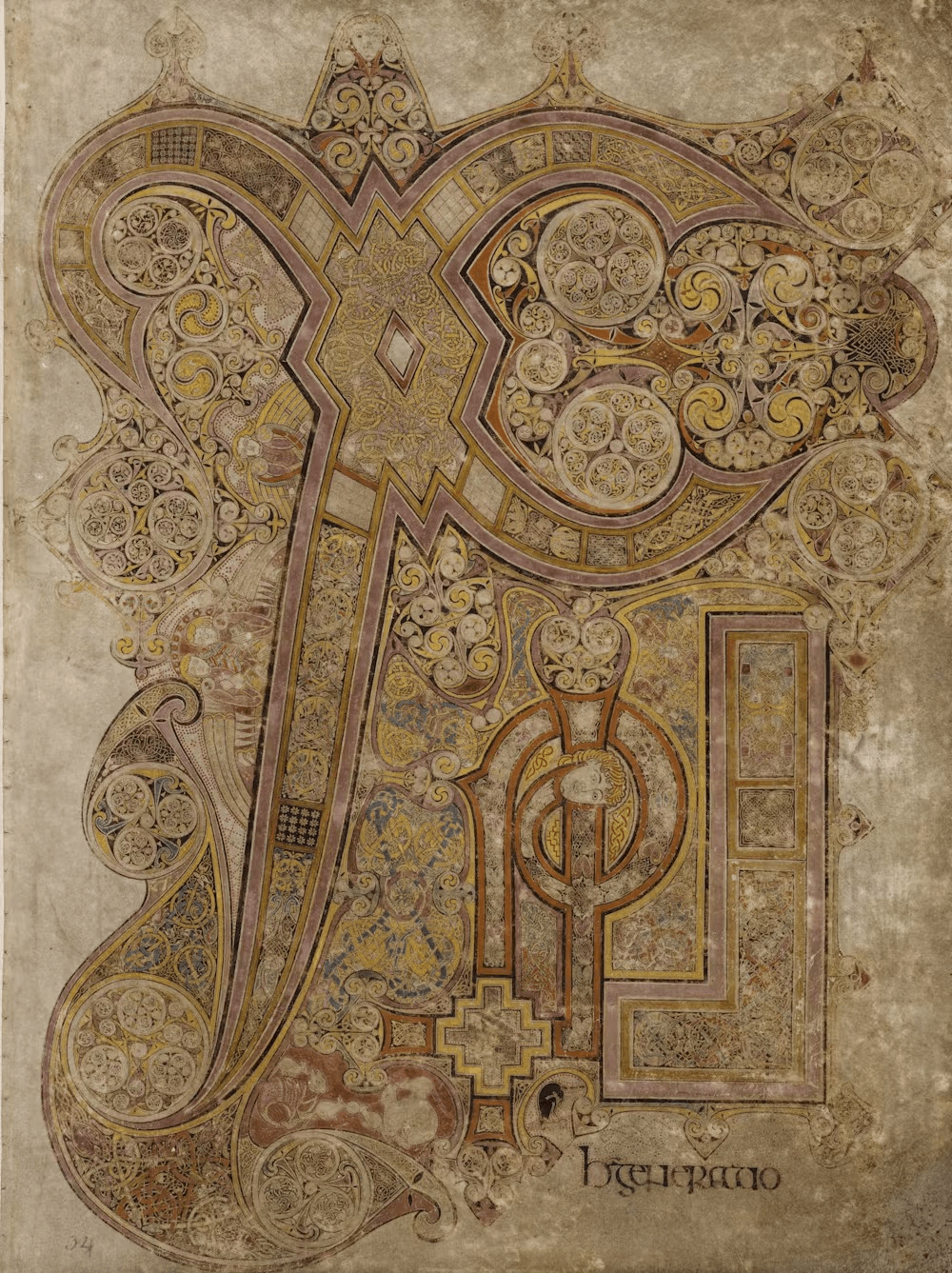
psychedelic christianity in celts origin lands
A short introduction to Celtic Christianity to explain what makes it so sensational. As early as the fourth century, under Roman rule, Christianity began to spread in Britain. The Romans brought Christianity to their British provinces. However, as the Roman Empire began to decline and Roman legions left Britain in the early fifth century, Christianity lost its influence in many areas, especially as the Saxon and Anglian invaders, who were pagans, took control of vast territories.
Unlike Britain, Ireland had no Roman rule, so the Christianization process relied primarily on missionary activity. Ireland was Christianized by St. Patrick and other missionaries in the fifth century. The spread of Christianity in Ireland occurred through networks of monasteries established across the island, which became important religious, cultural, and social centers. The Christianity that developed in Ireland differed from Roman Christianity because it was infused with local Celtic traditions, and the missionaries were relatively tolerant of these traditions as long as they could "Christianize" them. Thus, elements of natural healing, pastoralism, and rich symbolism were preserved. There is no evidence that Druids used mind-altering substances, but it seems that if they did, the monks would have been tolerant of it as well. And if so, perhaps they, too, used such substances to unlock the keys to the Kingdom of Heaven.
In any case, Christianity returned to Britain when Irish missionaries set out to Christianize the pagans who had re-conquered Britain. One of these missionaries was St. Columba, who established a monastery in Ireland, which became one of those educational and cultural centers. This monastery was called Kells. When he Christianized Britain, or rather one of its kingdoms, Northumbria, he founded the Iona Monastery, which became one of the most important centers of Christianity in Britain until it was destroyed in the ninth century by the Vikings.
One of the traditions that developed in the monasteries was the illustrated copying of scriptures. This became a standard later in monasteries throughout Europe. In fact, one of the "victories" of Celtic Christianity was the transmission of monastic traditions to Europe, likely because the Saxons in Germany were Christianized by Celtic monks via French intermediaries.
A famous manuscript originally written in the Iona Monastery is the "Book of Kells". It is believed to have been illuminated in the eighth or ninth century by Irish monks. It was transferred to Kells to protect it from the destruction wrought by the Vikings when they invaded Britain and destroyed Iona (and killed all the monks there). Today, it is displayed at Trinity College in Dublin and is considered a masterpiece of medieval illuminated manuscripts.
The manuscript is filled with abstract decorations, repetitive patterns, distorted figures, and vibrant colors like yellow and purple. The spirals and intricate shapes on many of the pages create a visual experience that is difficult to explain rationally, and this is one of the reasons for suggesting the possible use of mind-altering substances. For example, the Chi-Rho page, marking the appearance of Jesus' name in Greek, bears a resemblance to forms of art associated with psychedelic drug use in the 19th and 20th centuries. Scientists have also found that the colors used by the creators of the book were made from toxic substances like arsenic and red lead, raising the possibility that the monks were exposed to materials that may have affected their health and consciousness during their work.
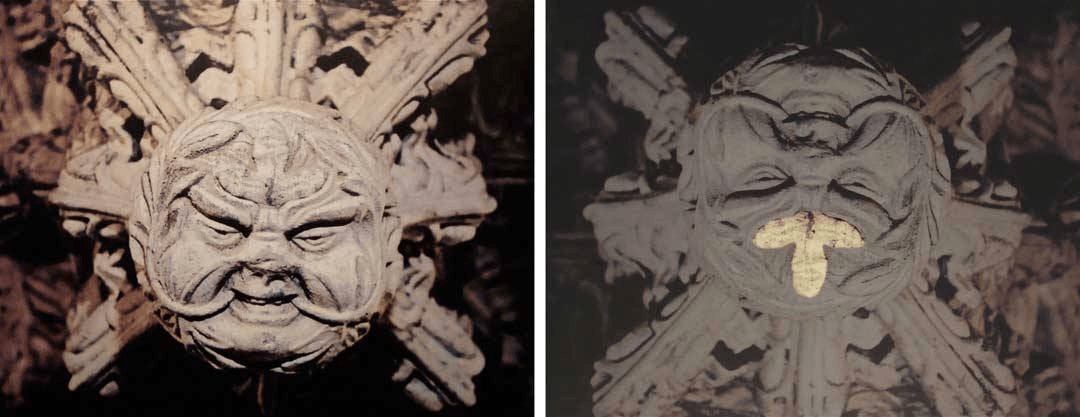
So, did the Christian monks actually use drugs? I can only note that one of Jerry Brown's main arguments in his book ״The Psychedelic Gospels״ is that at Rosslyn Chapel, the monastery that appeared in ״The Da Vinci Code״, there are wall decorations of "Green Men" that, when viewed upside down, resemble a mushroom similar to Amanita. This was his trigger to investigate psychedelic representations in Christianity, and the claim is that as long as the Roman patriarch, i.e., the pope, did not have absolute authority over churches converted to Christianity by the Celts, the use of mind-altering substances was still recognized in these places and represented in the art of the time. In other words, there are remnants of psychedelia in Christianity at least until the peak of the Catholic Church's power at the turn of the millennium, or perhaps even a little later. Only with the establishment of the Inquisition was this completely forbidden and associated with witchcraft.
-
Death by Astonishment
Andrew Gallimore is a computational neurobiologist, pharmacologist, and author who focuses on the mysterious effects of DMT on the brain and consciousness. He developed a prolonged intravenous DMT infusion model in collaboration with leading DMT researcher Rick Strassman. In his research, Gallimore explores alternate realities experienced under DMT, suggesting that it may act as a gateway to other dimensions. In his book "Alien Information Theory", Gallimore argues that DMT could reveal the fundamental structure of reality. He is also involved in the DMTx project, which seeks to map prolonged DMT experiences.
Whatever his research entails, Graham Hancock has taken notice. Gallimore is currently working on a new book, set to be released in July 2025, which delves into the history and science behind DMT. Hancock describes it as "the first detailed account of the history and science of the world’s strangest and most mysterious drug".
“In a story that begins in the Amazonian rainforests and ends somewhere beyond the stars, Andrew Gallimore presents the first detailed account of the discovery of DMT and science’s continuing struggle to explain how such a simple and common plant molecule can have such astonishing effects on the human mind. The history of the drug involves many fascinating characters from the scientific and literary worlds – including legendary ethnobotanist Dr. Richard Schultes; renegade beat writer and drug aficionado William S. Burroughs; philosopher and raconteur Terence McKenna; and the high priest of the 1960s psychedelic revolution, Dr. Timothy Leary. In the end, the story of DMT forces us to reconsider our most basic assumptions about the nature of reality and our place within it.”
The title of the book, incidentally, comes from a sarcastic remark made by Terence McKenna when asked if DMT could kill someone. McKenna answered sarcastically that the only way it could kill would be by "astonishment".
-
Entheogenic Gnosticism?
Tom Hatsis is a historian specializing in psychedelia, witchcraft, magic, pagan religions, and alternative Christianities, focusing on the cultural intersections of these areas. He holds a master's degree in history from Queens College, Cambridge. Hatsis is the author of books such as "The Witches' Ointment" and "Psychedelic Mystery Traditions" and promotes up-to-date information on the "Psychedelic Renaissance" through his website and accompanying YouTube channel. In his latest video, he discusses the use of consciousness-altering substances by Gnostics, providing at least three examples:
1. Simon Magus: The church father Epiphanius of Salamis mentions that Simon mixed hellebore with honey to provide his followers with a "poison", which can be interpreted as a psychoactive substance or a metaphor for heresy. Irenaeus describes Simon as using love potions with symbolic and psychoactive ingredients, the most common being mandrake, which induces visions and sexual arousal.
2. The Carpocratians: It is claimed that they used psychoactive potions to achieve dream divination and other forms of communication. Pliny the Elder lists various plants used at the time for such purposes. One member of the sect, Marcelina, is known for using love potions and herbal remedies.
3. The Marcosians: Followers of Marcus, a disciple of Valentinus, who established his sect after experiencing a vision of the exalted "Tetrad." Women had equal standing in the sect and conducted the Lord's Supper. During this supper, they used mixed wine, allegedly containing psychoactive substances, to awaken the spirit within participants.
-
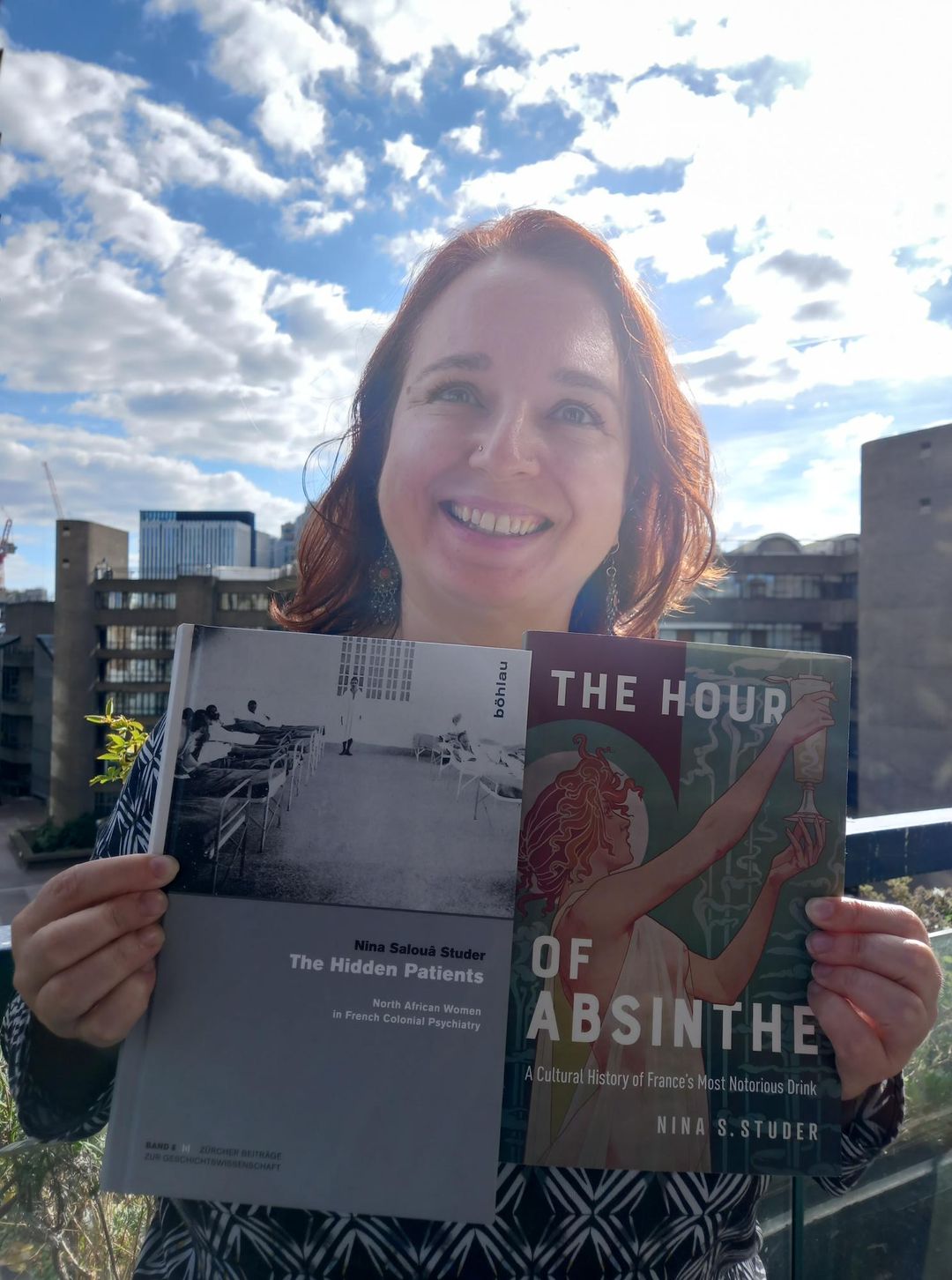
the hour of absinthe
The "Intoxicating Histories" series from McGill-Queen's University Press explores the global history of psychoactive substances, such as drugs and alcohol. The series investigates how societies across different periods and locations consumed, regulated, and perceived these substances. It covers a wide range of historical fields, including medicine, commerce, social policy, law, and popular culture. The eleventh book in the series, released this week, focuses on absinthe, its rise, and fall due to its perceived threat to France's colonial ambitions. In an instant, absinthe, once known as "the opium of the West", was transformed into a dangerous substance that supposedly turned its drinkers into mad, murderous zombies who lost their ability to reproduce. Absinthe serves as an excellent example of "medicalization", the way in which the medical establishment intervenes in social issues, becoming an extension of political power in defining behaviors that deviate from social norms as mental or physical illnesses.
On a side note, the active ingredient in wormwood (used in absinthe) is called thujone, which is a GABA receptor antagonist in the brain. However, the question remains whether the psychoactive component of absinthe is thujone or simply its high alcohol content—or perhaps both. The propaganda against absinthe was focused on thujone, though absinthe contains a relatively low concentration of it. To experience hallucinations from thujone, one would need to consume an unrealistic amount of absinthe, which would likely lead to alcohol poisoning first. Regardless, thujone is indeed psychoactive, but the question is what the effects of "thujone poisoning" are and whether the accusations against absinthe were justified. Naturally, they are relevant to the alcohol debate, but the establishment tends to blame the substance rather than the drinkers themselves, and this is the essence of medicalization.