
תגית: sacred trees
-
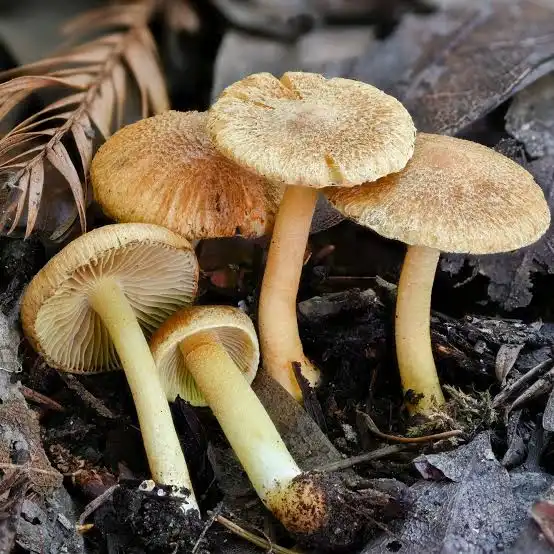
The beginning of the religion in psilocybin of the Inocybe…
A recent German study challenges previous assumptions about the evolutionary origins of psilocybin. A team led by Prof. Dirk Hoffmeister from Friedrich Schiller University in Jena discovered that two mushroom genera, Psilocybe and Inocybe, independently evolved completely different biochemical mechanisms to produce psilocybin. This phenomenon, known as convergent evolution, occurs when unrelated organisms develop similar solutions…
-
Minoan Civilization Customs That Survived in the Christian Orthodox Religion
Many customs, cultural practices, and traditions of the Minoan civilization from Crete have been preserved, in one way or another, within Orthodox Christianity, according to an article on the Greek Reporter website. I do not personally know the author, and based on his LinkedIn profile, it appears he holds a master’s degree but works primarily as…
-
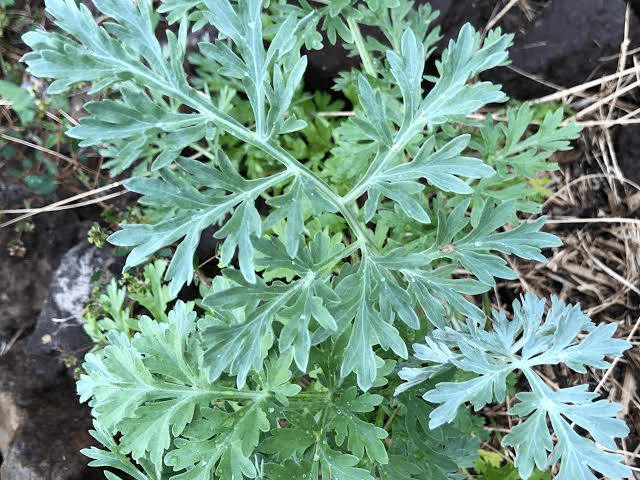
Artemis and Artemisia
The historical association of wormwood is linked to various gynecological uses in ancient medicine. It was used to treat various menstrual problems such as dysmenorrhea and menstrual irregularities, including the absence of menstruation (amenorrhea), as well as aiding in childbirth and treating inflammations such as endometriosis. Therefore, this is also what gave it its name,…
-
why should the Yggdrasil be identified with the yew and not with the ash tree, and the psychedelic and typographic connection!
The Yggdrasil tree is considered the norse "world tree," the axis mundi, or the central pillar of the universe, connecting and separating different realms of existence. Its roots extend to various regions, and its branches reach the heavens. It serves as a bridge between worlds, linking Asgard (the realm of the gods), Midgard (the realm…
-
Celts worship of the oak and its eco system
Maximus of Tyre testified to the worship of oak trees by the Druids, and concluded that since these are the same trees of the oracle at Dodona, the Celts worship Zeus and liken him to an oak tree. Pliny the Elder also testified to the worship of the oak trees, and believed that the druids…
-
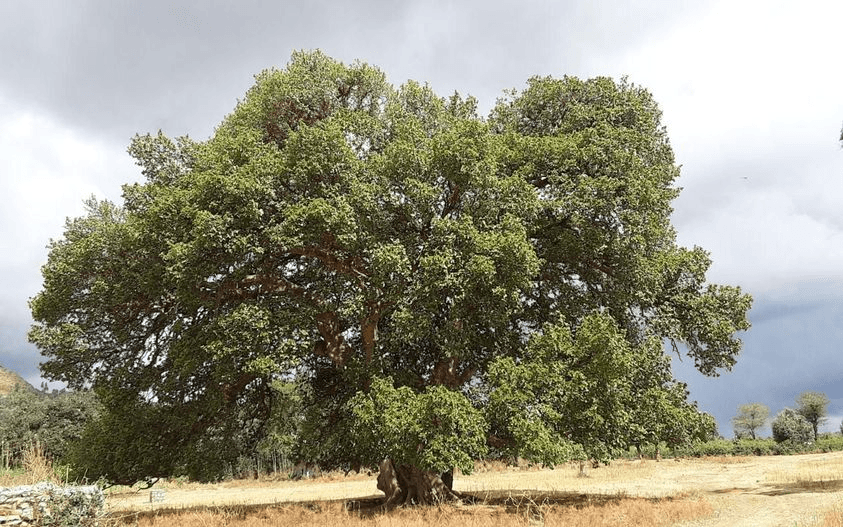
the oromo and the sycamore
The Oromo people in Ethiopia worship the sycamore tree. The Oromo refer to this tree as the Odaa. For the Oromo, Odaa has spiritual and ecological significance as a site for political assemblies, religious worship and cultural ceremonies. In terms of politics, the sycamore tree played a key role in the traditional Oromo government system,…
-
Ethnobotanical study on ritual plants used by Hani people in Yunnan, China
Study: The Hani are an indigenous ethnic group living in the Yunnan province of China. They rely on rice terrace farming as their main livelihood and have a rich cultural heritage deeply rooted in their farming practices and traditional rituals involving plants. The Hani people demonstrate a strong connection to nature, ancestors and community through…
-
indigenous Tamil Nadu sacred forests
AP: Many sacred forests have restrictions that allow activity and access only to members of specific communities. Hunting, gathering, picking, cutting and other activities may be strictly prohibited in these spaces. In many sacred forests, even breaking a branch or plucking a leaf or flower is not acceptable. For example, in the Banagudi Shola forest…
-
the idea according to which a sacred tree with winged figures next to it is not at all original and exclusive to the Israelite culture
Nitzan Hamburg writes: One of the subjects that fascinates me the most is the goddess Asherah – the goddess of fertility, mother earth, the tree of life – in the ancient world, and her reflections in the Jewish tradition. Sacred trees were a common cult in antiquity. The trees, which live for hundreds of years,…