
תגית: linguistics
-
Golden shower?
I’m not sure where to share this etymological insight, but it turns out that in Semitic languages, gold was called “charutz” (or “yerakrak harutz”—greenish gold, psalms 68), and this term later made its way into Indo-European languages. The argument is that the transition happened from Phoenician to Greek, not the other way around. In Phoenician…
-
God is purple
A new book from Brill by Ephraim Ayil from Hillsdale College is available for free download: Identifying the Stones of Classical Hebrew. Why do we need another book on the identification of gemstones in the Bible after Zohar Amar's book, "The Charm of the Stone"? Ephraim Ayil responds, "This Hebrew book is a priceless resource…
-
Etymology of cannabis and the "kaneh"
Rabbi Michoel Green writes about the etymology of the word "cannabis", noting that it contains the root K.N.H, a versatile and multifaceted verb in Hebrew. He asserts that this verb has applications across numerous fields in both Hebrew and foreign languages. The original meaning of "kaneh" is a stalk or reed, with one of its…
-
The hebrew word for wine is borrowed from Indo-European
In the Bible there are many words in Hebrew that describe the vine, the products of the vine and the processing of the vine. On the one hand, this proves the centrality of the grapevine industry in the Hebrew-speaking culture in ancient times, but also probably proves a meeting between cultures. The duplication of words…
-
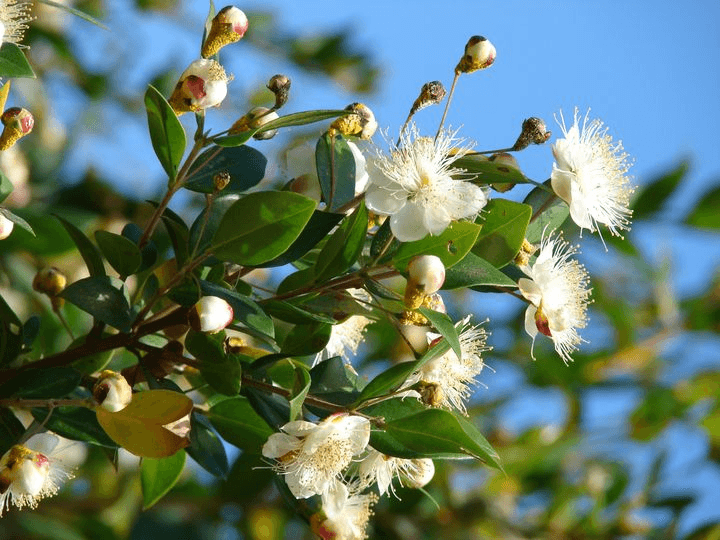
Esther as the myrtle of Ishtar
Purim Special: about the origins of the name Esther and the Persian connection, from the book "The Book of Esther Unmasked" by the Iranian linguist Dr. Thamar Eilam Gindin. Esther is also called Hadassah (myrtle), or rather according to the boo of Esther 2:7 her original name was Hadassah, and her secondary name is Esther "Hadassa…