
קטגוריה: english posts
-
Challenging Dan McClellan debunk of the Cannabis in Incense Myth
Dan McClellan is a Bible scholar who publishes videos in which he confronts misinformation about academic Bible and religion research. This time, he tackles the claim that the biblical incense included cannabis. According to McClellan, this claim is based on findings from the temple at Tel Arad and relies etymologically on the similarity between the…
-
Ancient Yahwism was actually a syncretistic Zoroastrianism
The podcast "Gnostic Informant" interviews Prof. Gad Barnea from the University of Haifa for his new article in the memorial book for Prof. Shaul Shaked. Prof. Barnea is supposed to release a new book on the topic at the beginning of 2025. Archaeological and textual evidence from the island of Elephantine in Egypt and other…
-
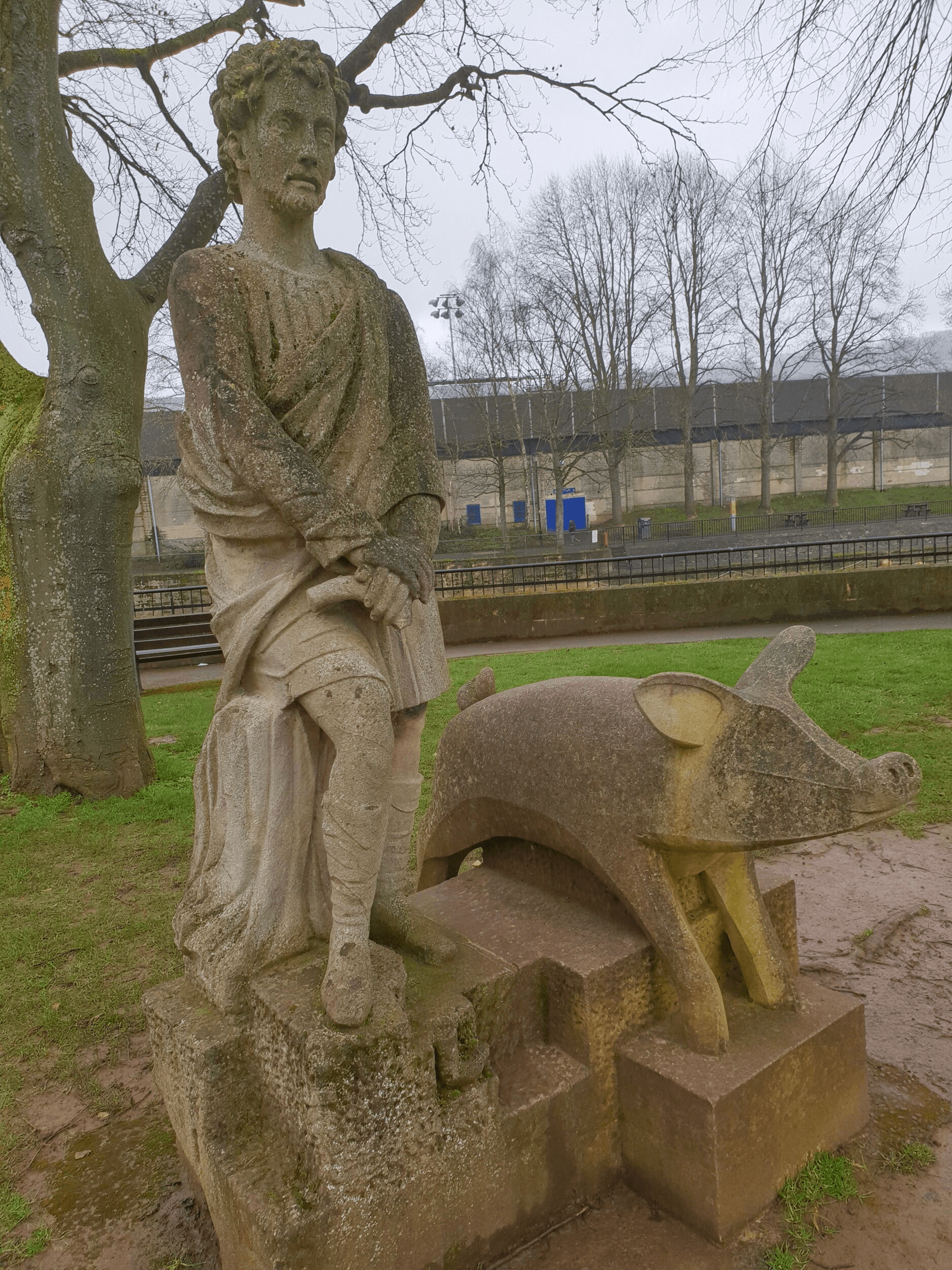
King Bladud myth as a psychedelic reference
King Bladud is a legendary king who supposedly ruled Britain in the ninth century BCE. Of course, there is no historical record documenting Britain during this period, and the closest thing to history are various medieval chronicles of the kings of Britain, although none before the 12th century mentions the pre-Roman era. Therefore, the only…
-

The way genetic disorder is believed to be a god's grace
The Doma (or Vadoma, or Wadoma) are a tribe living in Zimbabwe's Zambezi Valley. They are characterized by their isolation from surrounding tribes, leading them to marry only within their own tribe. This practice of close kin marriages and the resulting limited genetic pool has led to several genetic deformities, the most prominent being ectrodactyly,…
-
Why Manichaeans had fondness with red mushrooms
R. Gordon Wasson writes on his "Soma: Divine Mushroom of Immortality" pages 71-73 about the fondness Manichaeans had to mushrooms, red ones, and hence, Amanita Muscaria aka Soma, he suggests. Wasson credits St. Augustine, citing his "On the Morals of the Manichaeans", when he condemns those who eat mushrooms. The original word in Augustine's is…
-
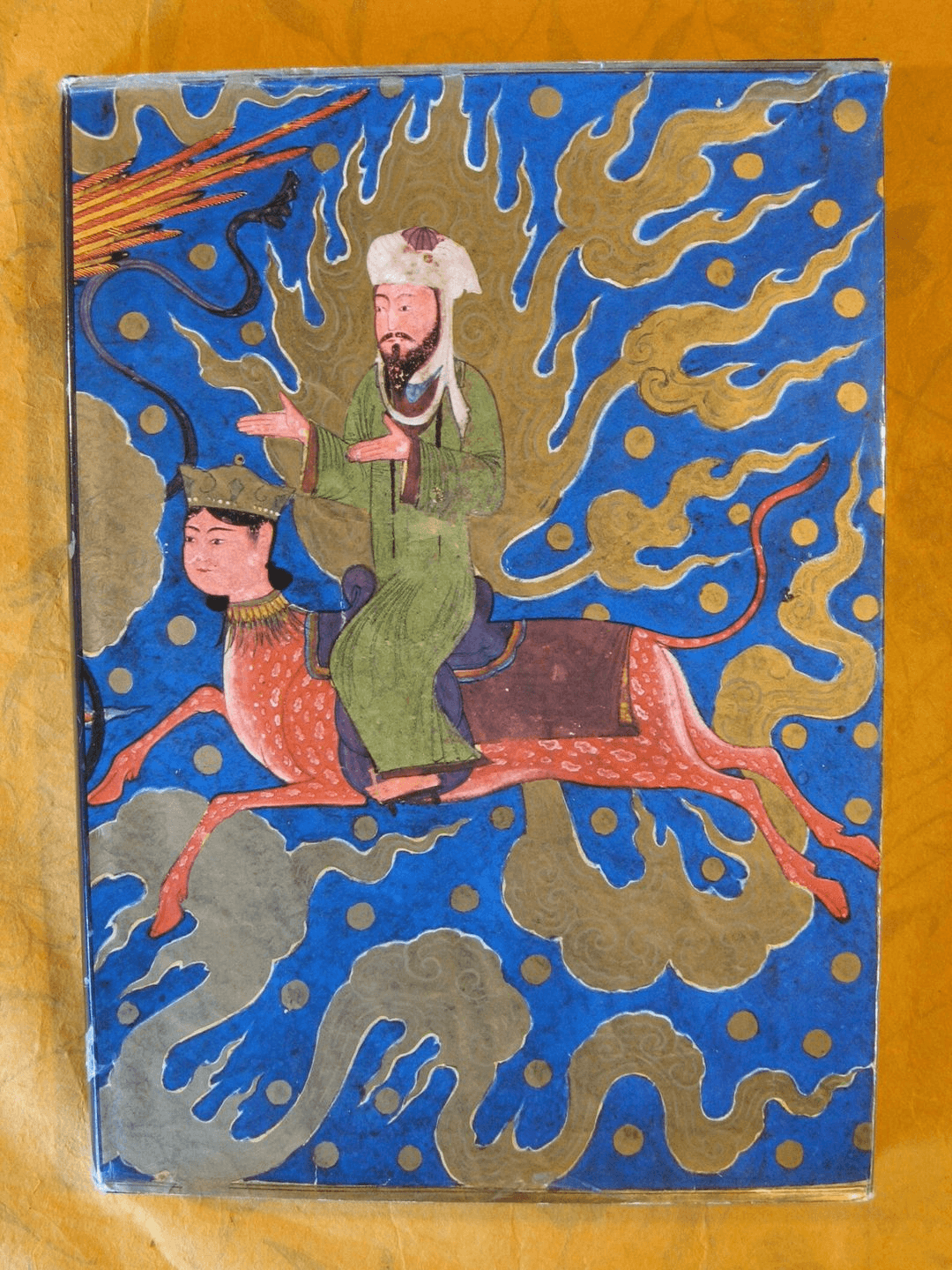
al Burāq as Amanita muscaria
The Mi'raj-Nameh is a text written in the 15th century in Khorasan, commissioned by Shah Rukh, the son of Timur. The text draws inspiration from the 17th sura of the Quran and describes the night journey of Muhammad (hence its name, Mi'raj. The name of the night journey is Isra and Mi'raj). According to tradition,…
-
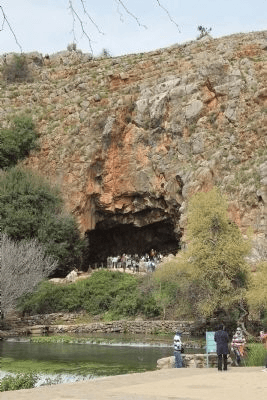
The Origin of Lag BaOmer
Today we celebrate Lag BaOmer. Lag BaOmer is a mysterious jewish holiday. There is no commandment in Jewish law to celebrate this day, and in fact, until recent generations, it was not the festival it has become recently. Secular Jews certainly did not celebrate it, and there was no defined "order" for how it was…
-
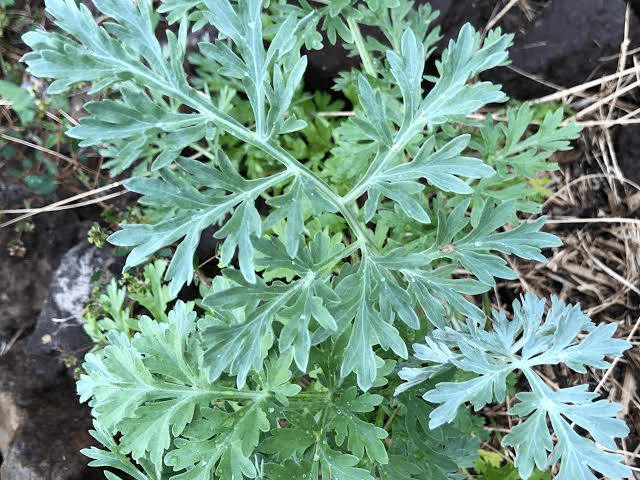
Artemis and Artemisia
The historical association of wormwood is linked to various gynecological uses in ancient medicine. It was used to treat various menstrual problems such as dysmenorrhea and menstrual irregularities, including the absence of menstruation (amenorrhea), as well as aiding in childbirth and treating inflammations such as endometriosis. Therefore, this is also what gave it its name,…
-
The Molekh as an explanation to the Zeus and co myths
Sacrificing human offerings in Canaanite religion, especially offerings to deities like Baal, was a custom intended to ensure divine favor (article). The Carthaginians, descendants of the Canaanites, practiced child sacrifice. Classical sources describe the ritual sacrifices to Baal Hammon, where children were offered during crises to avert disasters or ensure victories. This practice is archaeologically…
-
Indo European Horse Worship
By the first millennium AD, Christianity had spread throughout most of Europe, leaving paganism primarily in the far north, where Christians had yet to reach. At the turn of the millennium, they had managed to penetrate Scandinavia and Russia, leaving the Baltic coast as the only remaining pagan stronghold. The Teutonic Order's Crusades between the…