
קטגוריה: english posts
-
PTSD in mesopotamia
Medical texts in cuneiform from the Assyrian period (14th to 7th centuries BCE) refer to war injuries extending beyond physical damage, as well as unintelligible speech, terrifying hallucinations, and wandering thoughts. These can be interpreted today as PTSD —according to Walid Khalid Abdul-Hamid and Jamie Hacker Hughes in a 2014 study published in "Early Science…
-

The sacred bull as the essence of the rebirth and immortality
Today it was reported that a 2000-year-old tomb was discovered in the ancient city of Tharsa, located near the village of Kuyulu in southeastern Anatolia. The tomb is part of a larger burial complex containing 60 tombs. Surrounding the tomb are arch decorations and two bull heads. The arch decorations, known as arcosolium, suggest that…
-
why should the Yggdrasil be identified with the yew and not with the ash tree, and the psychedelic and typographic connection!
The Yggdrasil tree is considered the norse "world tree," the axis mundi, or the central pillar of the universe, connecting and separating different realms of existence. Its roots extend to various regions, and its branches reach the heavens. It serves as a bridge between worlds, linking Asgard (the realm of the gods), Midgard (the realm…
-
Lesson in Biblical Rhetoric: evil beasts
Our starting point in this blog is that Judaism, or the religious layer of society that wrote the Bible, was shamanistic in nature, connected to the earth and the environment, and influenced by them in its imagery and associations. Whenever a plant or animal is mentioned, both the storytellers and the listeners knew exactly what…
-
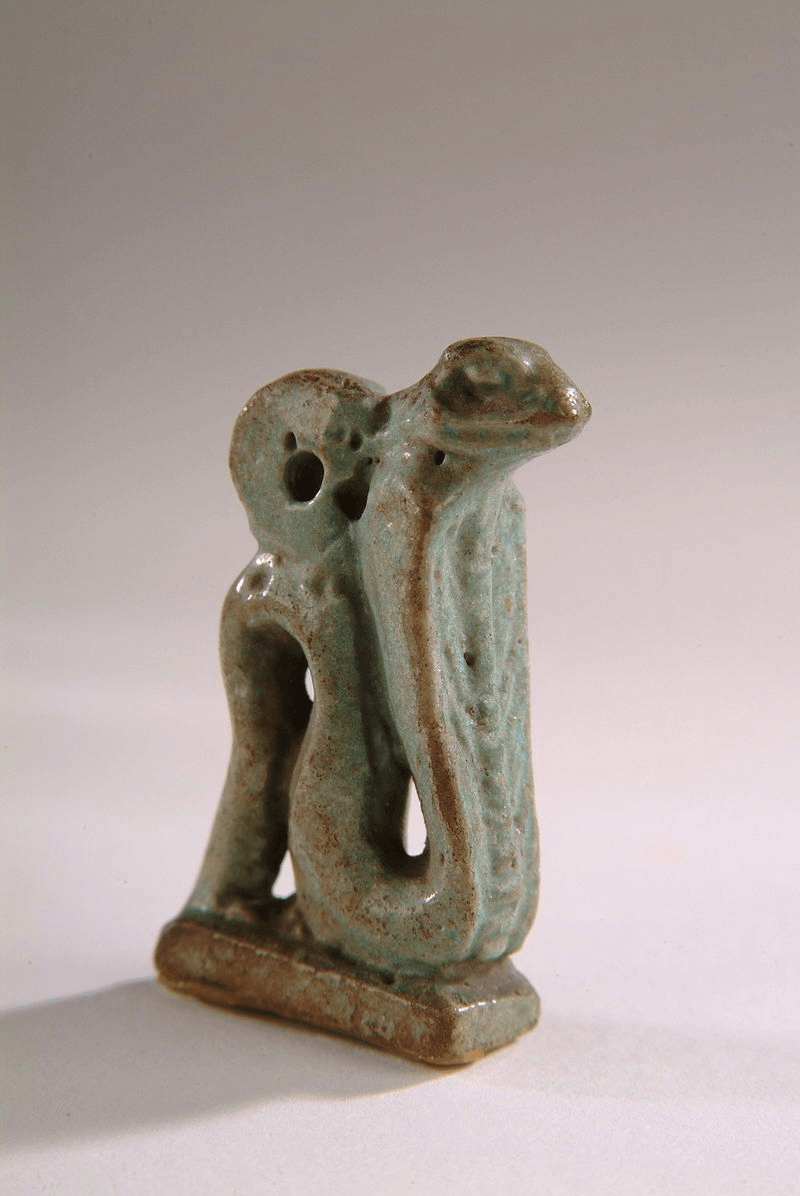
The Symbolism of the Hebrew Word "Nasi" and Its Potential Egyptian Origins
In Hebrew, "president" is "the most exalted of all", according to I Kings 1:5 and also according to the Nachmanides in his interpretation of the verse "You shall not curse God, and you shall not curse a president among your people" (Exodus 22:27). In Proverbs 25:13, it seems that the clouds are also called that…
-
Buddhism as the origin of the western religions?
Sort of related. If one tries to carry out an archeology of ideas, he will probably learn about the theory based on which the "religions of orthopraxy" and the philosophy that fostered an ethic of life "according to nature" and the adoption of righteous virtues, were in fact the Hellenistic version of Buddhism, which the…
-
A bit about the evolution of cannabis
The origin of cannabis dates back 28 million years. Tectonic plate activity, which caused geological folding as a result of the penetration of the Indian subcontinent into Asia, contributed to the flourishing of cannabis by creating a comfortable habitat for it. Cannabis thrives in open, treeless habitats such as the Tibetan Plateau. From there, it…
-

the meaning of the hebrew word "Aviv" would indicate the biblical barley at Exodus as an early stage of the evolution of the cultivated barley, as opposed to the relatively more advanced stage of the wheat.
After the hailstorm plague in Egypt, it is told in the book of Exodus that the crop was mostly destroyed, but not entirely. "And the flax and the barley was smitten: for the barley was in the ear, and the flax was bolled. But the wheat and the spelt were not smitten: for they were…
-
More plants (than meat) on the menu of ancient hunter-gatherers
Analysis of isotope residues of zinc and strontium on the enamel of the teeth of pre-historical humans in Morocco from 15,000 years ago, suggests that they were much more vegetarian than carnivores, contrary to what we tend to think about pre-agricultural societies. A significant part of their diet, it turns out, included Mediterranean plant species,…
-
Fermentation, the engine of culture
Fermentation gave humans evolutionary advantages due to cultivating their ability to deal with processed food in a way that was good for them. By processed food is meant food that has already been digested once, by bacteria or yeast. A form that will be good for them: that will facilitate digestion and allow them to…