
קטגוריה: english posts
-
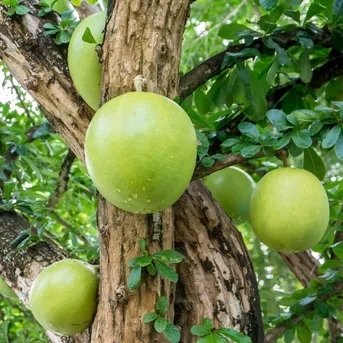
The Significance of Twin Sacrifice in Maya Culture and the Myth of the Hero Twins
In Maya culture, the sacrifice of twins held special significance. Twins were perceived as having unique spiritual powers and symbolized important themes in Maya mythology and religion. They represented the concept of duality – the opposing and complementary forces existing in nature and the universe. They embodied the balance between good and evil, light and…
-
Ancient Minoan Circular Structure Discovered in Crete: A Unique Ritual Site
A 4,000-year-old maze-like circular structure was found on a hilltop in western Crete. It immediately brings to mind the famous labyrinth, but its exact nature is unclear, although it is evidently from the Minoan period. The structure was used for ritual purposes, as indicated by numerous animal bones suggesting community feasts involving food, wine, and…
-
The Dragon Slayer Archetype
In the Aarne-Thompson Motif Index, motif number 300 is "The Dragon Slayer" which involves a hero who defeats a fearsome dragon and cuts off its head. Sometimes, the hero doesn’t kill the dragon but only neutralizes it. Since the dragon has magical powers that allow it to rise from its ashes or strengthen in other…
-
The color of the tefillin wasn't an issue
The Talmud states that tefillin must be square and black, and this commandment is considered a law given to Moses at Sinai (i.e no reason but still a law). However, new research (published today at PLOS One) proves that the tefillin found at Qumran were not dyed at all, and certainly not black. Although some…
-
Seahenge as a fertility rite
Seahenge is a prehistoric monument originally built around 2049 BC during the Early Bronze Age in Britain. It is located at Holme-next-the-Sea in Norfolk, England. The monument consists of a circle of oak trunks surrounding an inverted tree stump. The timbers were originally located on a salt marsh, but due to coastal erosion, they were…
-
The origins of Tel Arad's temple
In the ostracon found at Tel Arad, a significant number of names include the element "Yahu," which may indicate the worship of Yahweh by the Judeans or possibly Kenite origins. Benjamin Mazar proposed that the foundation story of Arad in Judges 1:16 suggests that the temple dedicated to Yahu was built by the Kenites. This…
-
The Two Tales of Horse Domestication
A new study in "Nature" suggests that horses were domesticated twice. The first attempt failed, and only the second attempt, 1000 years later (around 2200 BCE), succeeded. More precisely, there were two lineages of domesticated horses, but only the later lineage, the one that exists today, dominated the world. The "original" lineage, called Botai horses…
-
Mexican Indigenous Group Fights to Preserve Sacred Sites
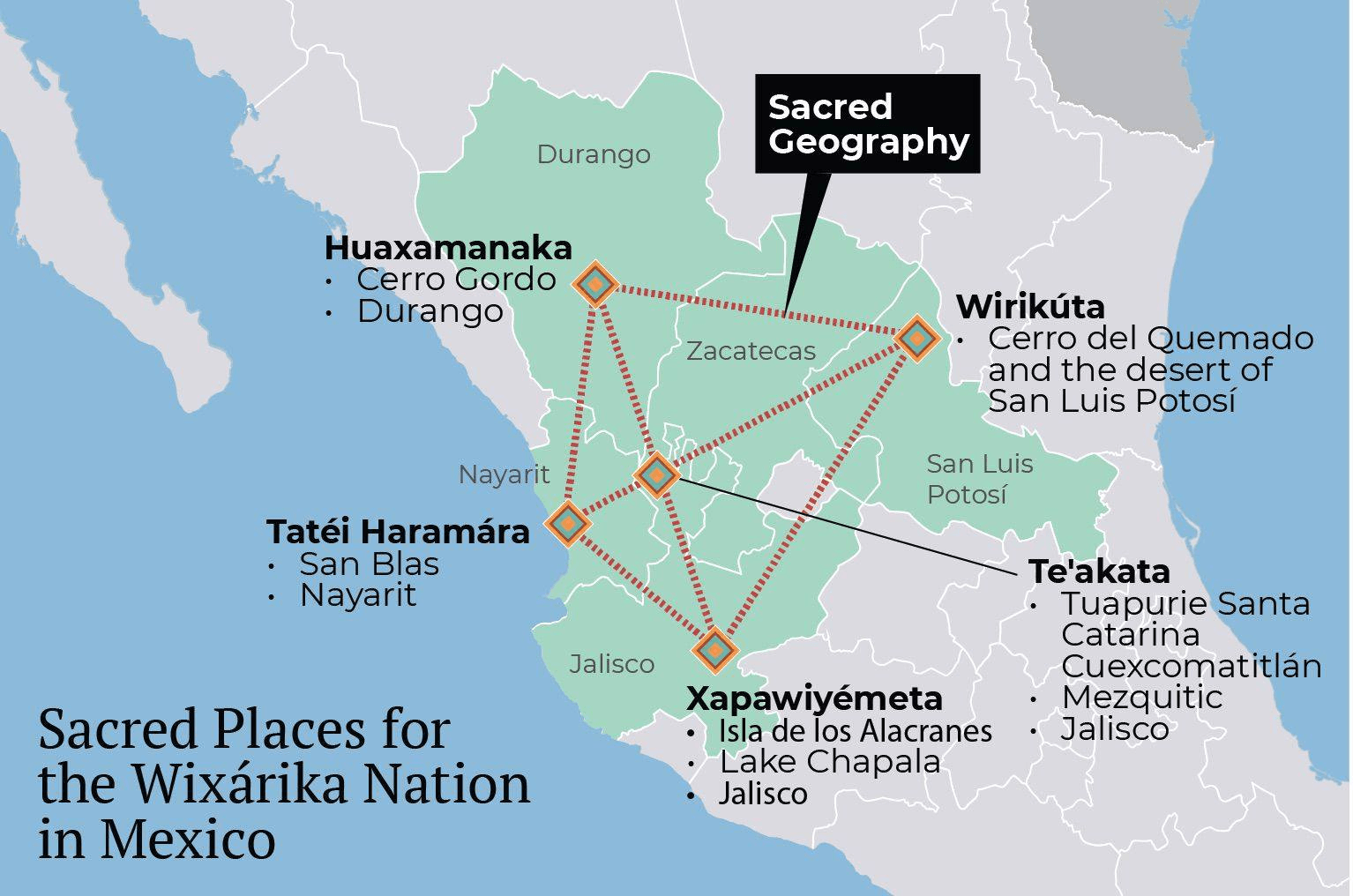
The Huichol, or as they call themselves "Wixárika", are a native people who live in the western Sierra Madre mountains. They are known for the "Peyote Hunt" ceremony they hold every year, a journey spanning hundreds of kilometers through the desert to a place called Wirikuta, passing through various sacred sites along the way. For…
-
The Flora of Qumran: The Blasam tree in the Thanksgiving Scroll
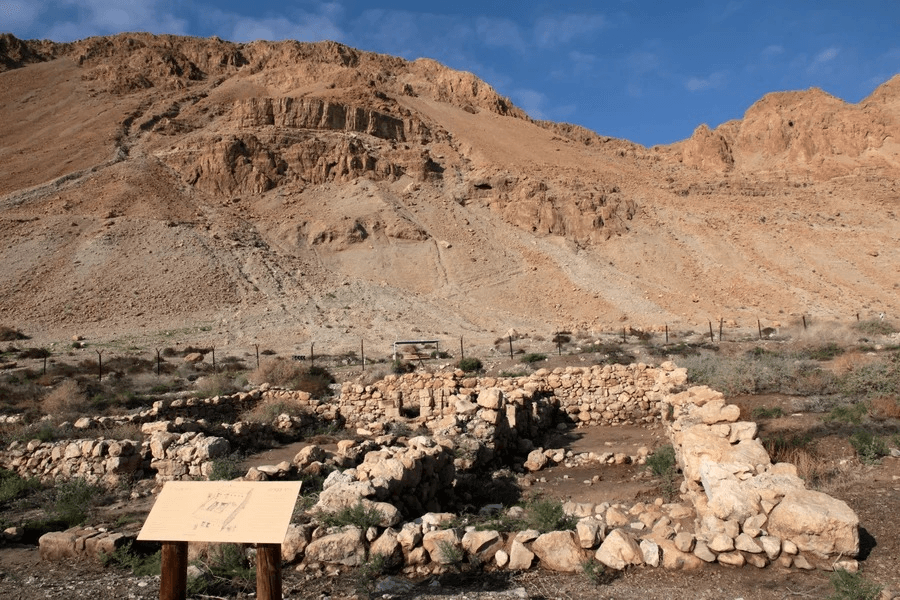
The following post has no point other than to describe the flora of Qumran as reflected in the Thanksgiving Scroll, beautifully illustrating the concept of hidden knowledge as a spring of living waters, and why those who drink from this spring are ultimately expected to survive Judgment Day. The texts, according to Elisha Qimron, "Hebrew…
-
Mythology and Malaria
Ancient cultures around the world intertwined mosquito-borne diseases, such as malaria, with mythology. People used gods, demons, and supernatural forces to explain the spread of these diseases. In the second chapter of his book, "The Mosquito," recently translated into Hebrew and originally published in English in 2019, Timothy C. Winegard provides several examples. Mesopotamian texts…