
קטגוריה: english posts
-
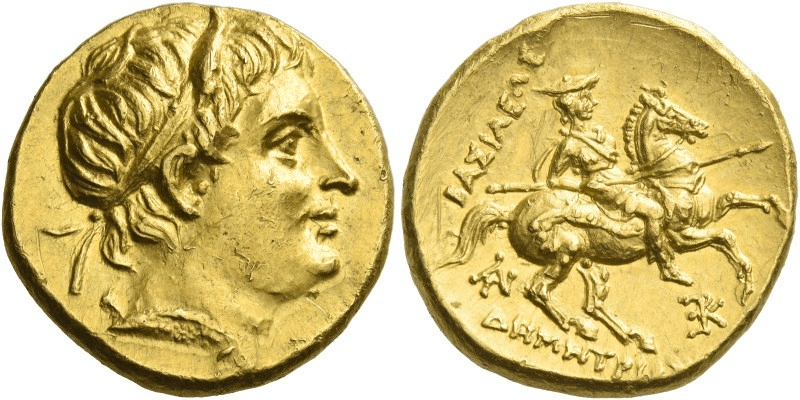
The "soter" hellenistic ruler as a prototype of the messiah figure
This semester, I'm studying "Ruler Worship in the Hellenistic Period." Ruler worship originated in the East. Although there were certain honors given to heroes after the Spartan and Athenian wars, and even a hero named Lysandros had a festival named after him, he did not actively intervene in religious practices. Alexander, after conquering the East, sought…
-
Oldest bread is even earlier than oldest beer, both of the Natufians
Next week, we are going to hear about the world’s oldest beer, discovered around 12,000 years ago at a Natufian site (Raqefet Cave in the Carmel). But it's worth noting another Natufian site where a grain-based product was found, shedding light on Natufian grain usage that predates the domestication of grains. Once we understand this,…
-
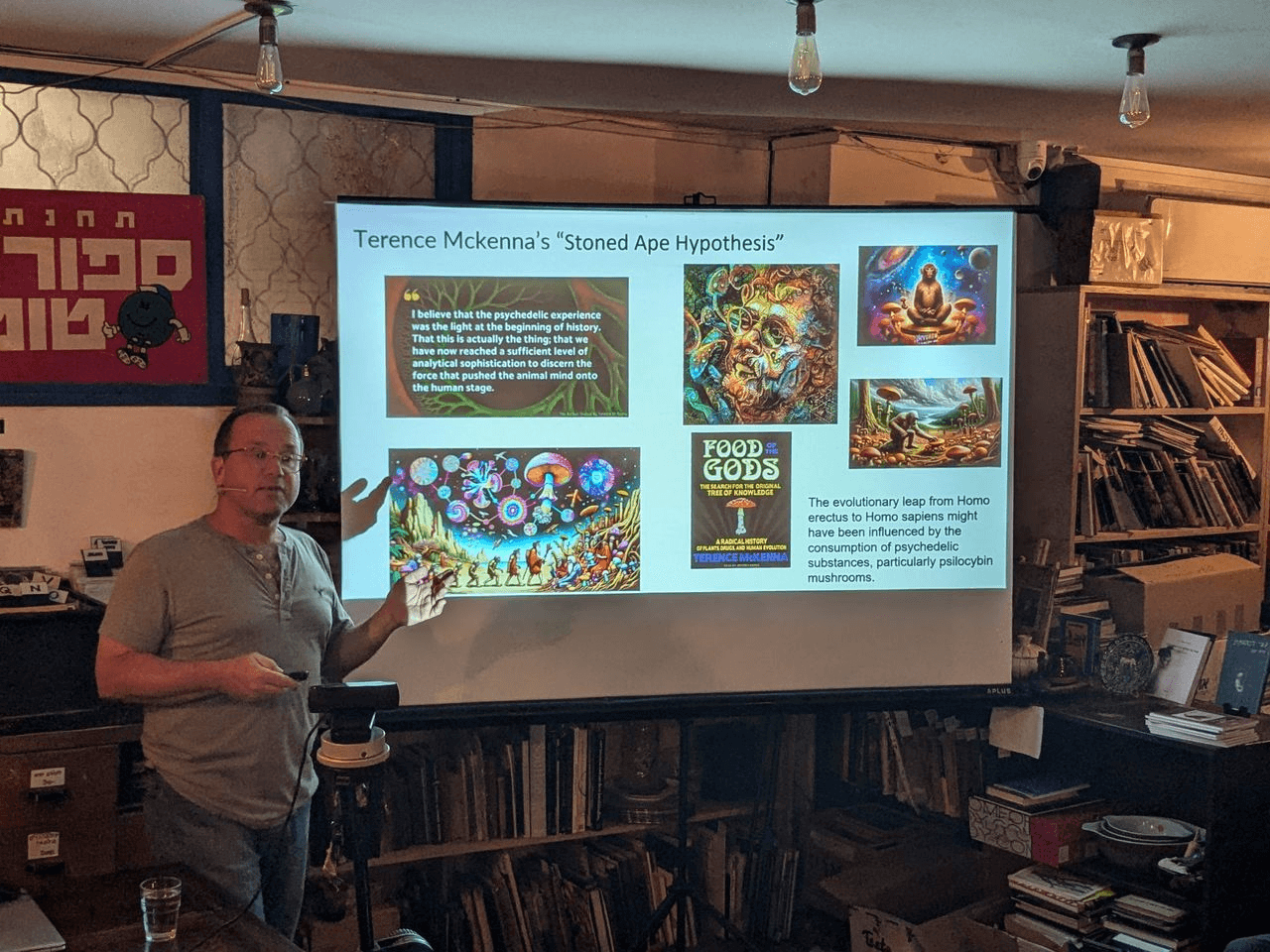
The trigger of the prehistorical man to use drugs
Yesterday, the "Temple of Consciousness" series began with a wonderful lecture by Prof. Ran Barkai from the Department of Archaeology at Tel Aviv University. The lecture discussed psychedelic experiences during the Paleolithic period, focusing on caves as "doors of perception" or "portals" for communicating with the cosmos and the world beyond. It was suggested that…
-
New Study of 'Passover Letter' May Change What We Know About the Birth of Judaism
Haaretz English published an article on Dr. Gad Barnea's research from Haifa University, which explores the potential Zoroastrian origins of the Passover holiday as suggested by the "Passover Letter" from the island of Elephantine. Barnea points out several parallels between the customs described in the Passover Letter and Zoroastrian rituals, especially the "Yasna" sacrifices, the…
-

The caves as the doors of perception
Professor Ran Barkai will open the "Temple of Consciousness" lecture series tomorrow with a talk on the psychedelic experience in caves. Professor Barkai is an archaeologist and will likely focus on material findings that suggest entering a cave was a way for ancient people to experience altered states of consciousness. I doubt he will address…
-
Archaeologists unearth rare serpent carvings depicting ‘powerful snake dynasty’ on ancient Mayan ball court
Archaeologists have uncovered carvings on an ancient Mayan ball court at the Dzibanché site in Quintana Roo, Mexico, depicting rulers of the Kaanu’l dynasty, who were active during the Early Classic period (500–600 AD). The stucco reliefs were found on two platforms near the ball court, which was used for ceremonial activities and ball games…
-
How Indigenous Australian Practices Helped Sustain Southeast Australia's Landscapes
A new study in the journal Science demonstrates how the ancient cultural practices of the Indigenous Australians, particularly their use of controlled burns as part of their traditions, played a crucial role in preserving the landscapes of southeastern Australia. Over thousands of years, and especially during the mid to late Holocene, these practices significantly reduced…
-
More chocolate, less alcohol
The Fry family, a British Quaker family who established the company J. S. Fry & Sons in the 18th century, operated with a unique religious and social agenda that led them to produce and market chocolate on a large scale. Following the Quaker belief system, which opposed alcohol consumption and upheld strict moral values, the…
-
A race to save Indigenous trails may change the face of archaeology
The Babine Trail is a historic path in northwestern British Columbia, serving as a vital trade and cultural route for the Gitxsan people, and holds significant importance for their traditions and spiritual practices. Known as a “grease trail” due to its use for transporting eulachon fish oil, the trail has fulfilled both practical and cultural…