
חודש: מרץ 2024
-

Chia seeds in meso-american culture
Today, the chia is considered a superfood, partly due to myths such as those spread by the book "Born to run", about the Iskiate drink that is made using them and allows wild Mexican tribes to run an ultra-marathon of 80 km. But this myth has earlier origins, they say, from the pre-Columbian period. The…
-
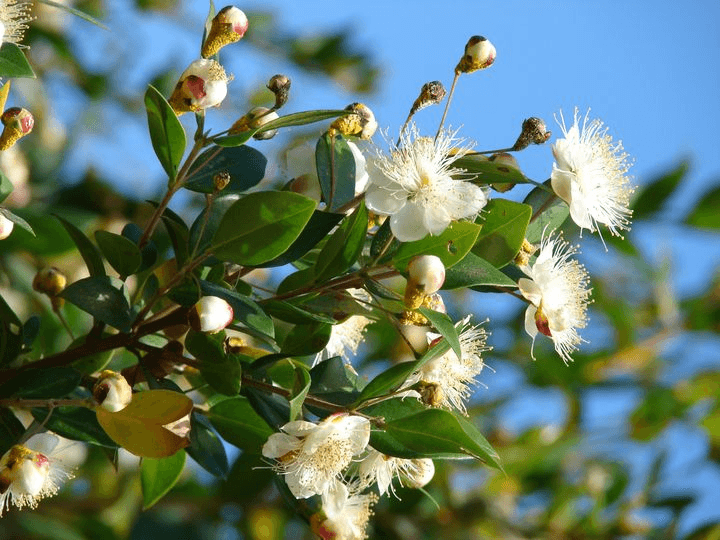
Esther as the myrtle of Ishtar
Purim Special: about the origins of the name Esther and the Persian connection, from the book "The Book of Esther Unmasked" by the Iranian linguist Dr. Thamar Eilam Gindin. Esther is also called Hadassah (myrtle), or rather according to the boo of Esther 2:7 her original name was Hadassah, and her secondary name is Esther "Hadassa…
-
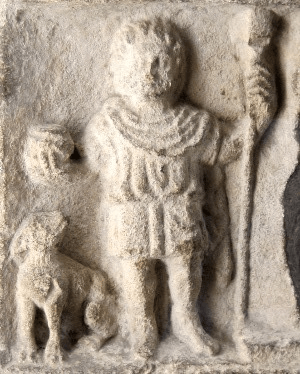
The cult of the dog?
Italy has many volcanoes, although the active ones are in the south, but also in the center in the area of Rome and Lazio there are many dormant volcanoes, some of which have become crater lakes. Therefore it is not surprising to see the local peoples worshiping the gods of the underworld and volcanoes, we…
-
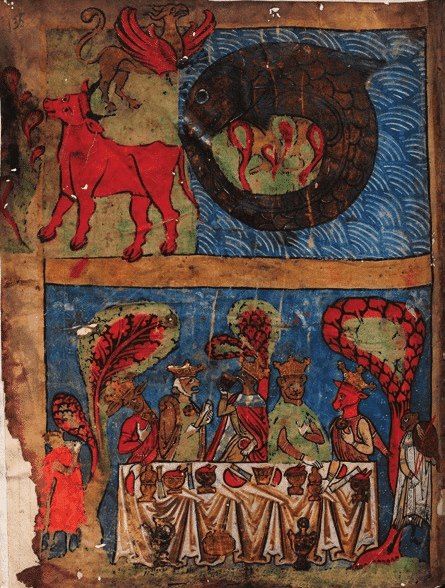
The Solomon's temple as the gnosis
King David is considered to be the archetypal figure of Messiah, and his son Solomon is the one who built the Temple. Hur is considered the son of Caleb and Ephrath (1 Chronicles 2:20), and the grandfather of Bezalel. David himself is considered an "Ephratian" man (1 Samuel 17:12) and according to tractate Sota 11b…
-
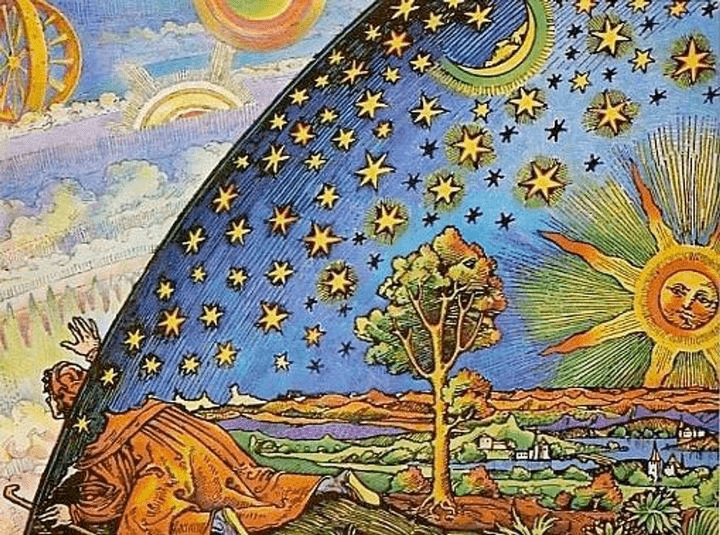
The tabernacle building as the gnosis
The following post is not directly related to sacred plants except for one thing: I am talking about the verb "Kanah" and its role in achieving higher consciousness. Combine the two with what you know about "Kaneh" and let yourself understand my meaniing. In last week's Torah portion "Vayakhel" (Exodus 35) the work of building…
-
Wolves worship in the indo-european religion
The Romanians also have a deep and ancient connection with wolves and "werewolves" that is worth reading about. The Dacians called themselves wolves and saw the werewolf as their protector. In ancient Greece, there was a mountain called Lykaion or "Wolf Mountain", on the slopes of which a religious ceremony called Lykaia (Greek: Λυκαία) was…
-
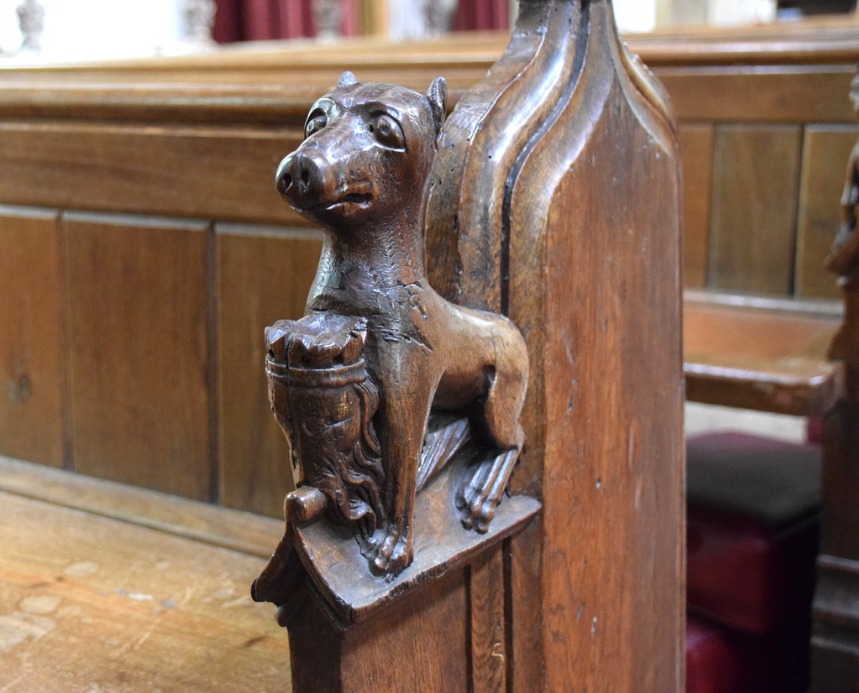
The Anglo-saxon wolf worship
The English ancestors, by necessity of being Germanic, adored the wolves. They saw in them the power of the wild, and the guardians of nature. But it turns out that at some point, evidently a Christian influence, since Christianity saw the wolf and the wild in general as a symbol of evil, the admiration for…
-
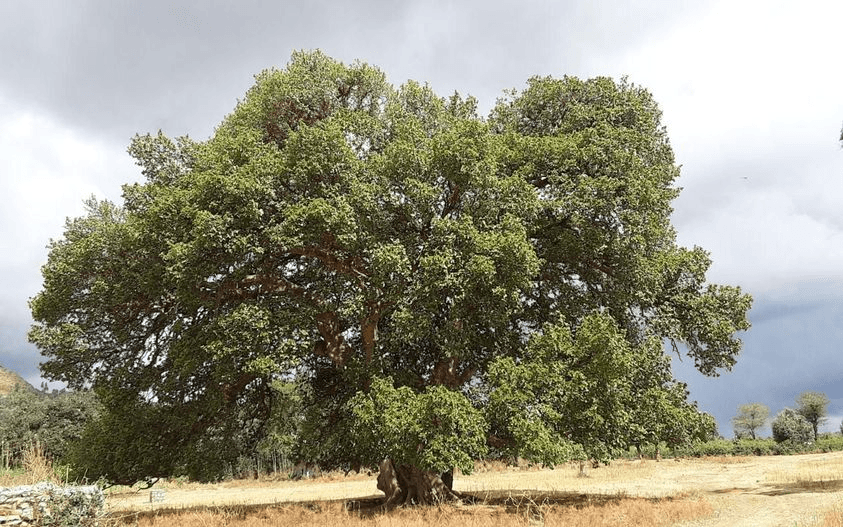
the oromo and the sycamore
The Oromo people in Ethiopia worship the sycamore tree. The Oromo refer to this tree as the Odaa. For the Oromo, Odaa has spiritual and ecological significance as a site for political assemblies, religious worship and cultural ceremonies. In terms of politics, the sycamore tree played a key role in the traditional Oromo government system,…
-
early piercing in the Pre-Pottery Neolithic
11,000-year-old stone jewelry provides the earliest evidence of body piercing. Researchers from Ankara University excavated a pre-ceramic Neolithic site in eastern Turkey, Bunçuklu Tarla and found the remains of jewelry alongside skeletons. The jewelry, mostly made of limestone, obsidian or pebbles, was placed in part next to the ears and chins of the skeletal remains,…