
תגית: myth
-
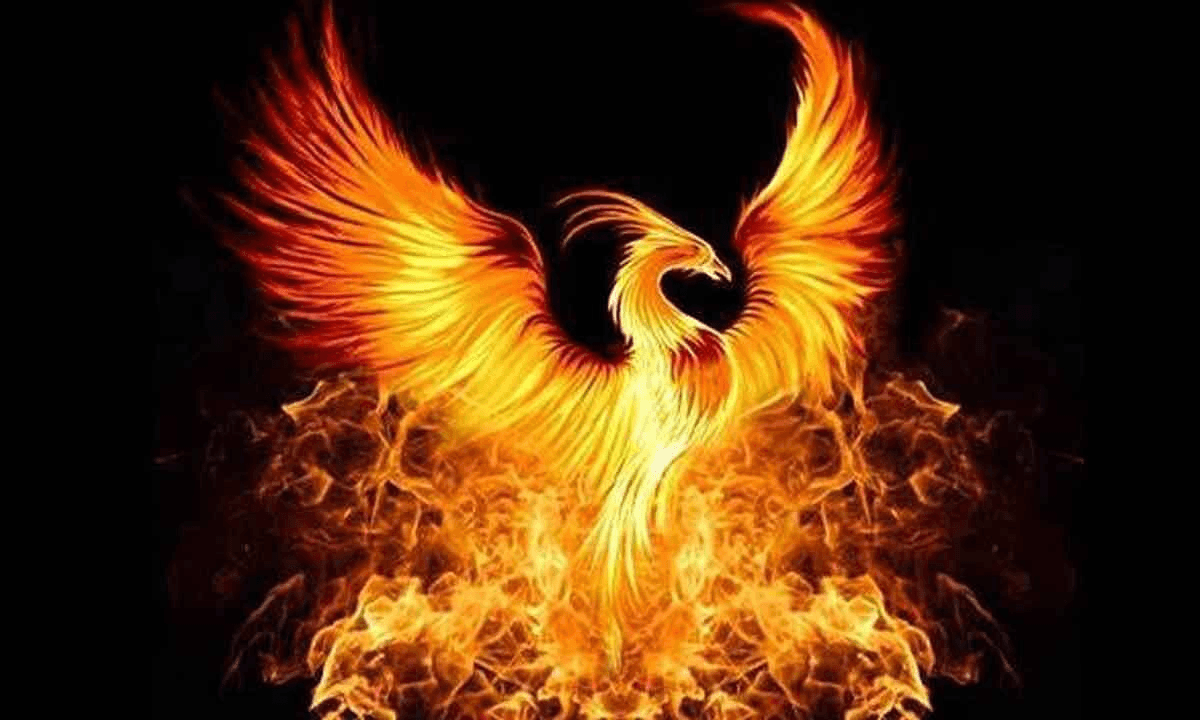
The Fire Archetype in Messianic and Mythological Narratives, and Alcohol as Fire
The Anthropocene is a geological term describing the period in which humankind has fundamentally altered the Earth’s global systems – in fact, the period in which cultural evolution began, and still continues, up until the moment of the end. The end-event is an imaginary point on the timeline where an apocalypse will occur, in the most…
-
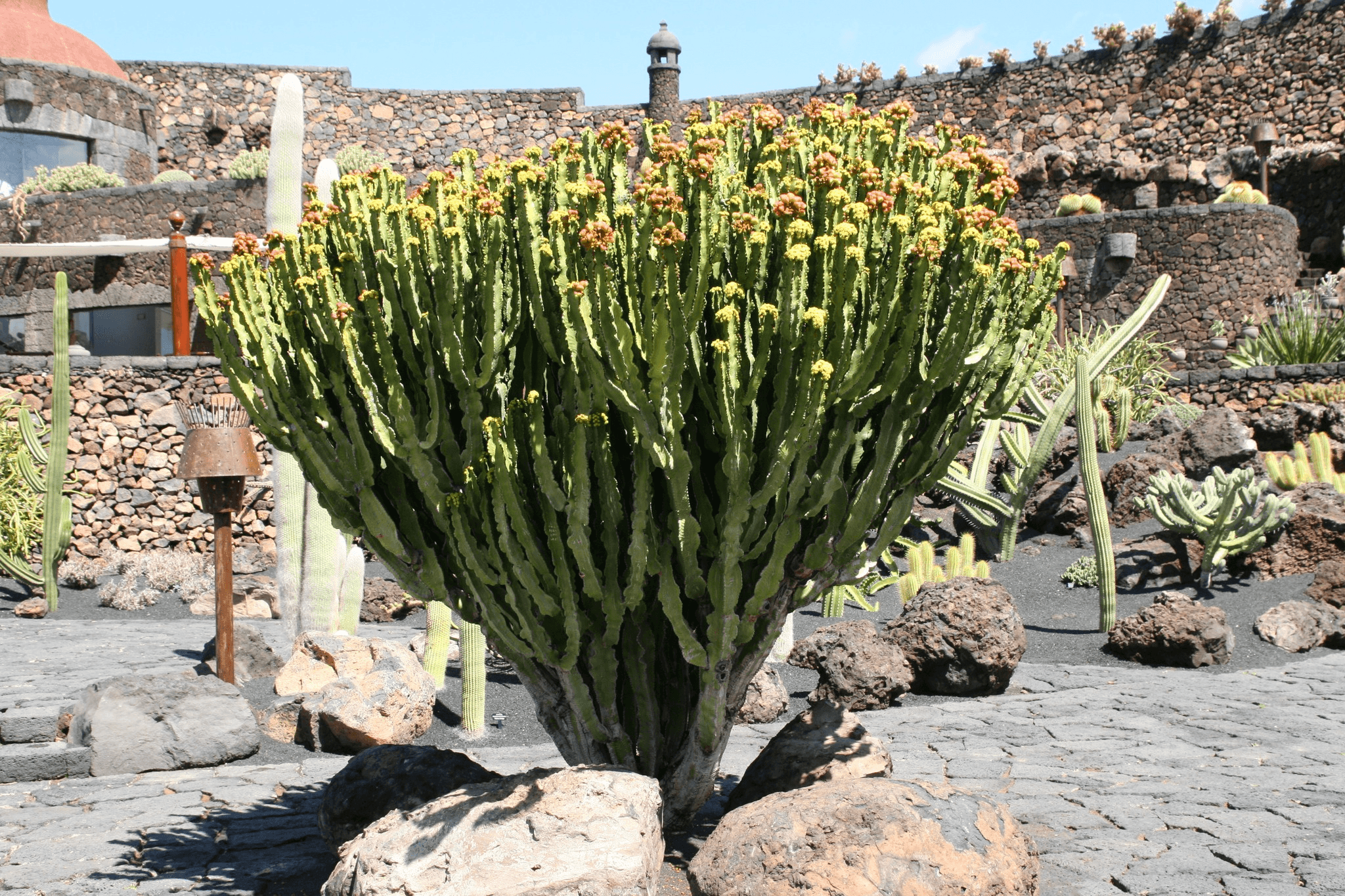
The Ethiopian king-serpent myth and the African Euphorbia link
Back when we dealt with volcanoes and myths about the battle between the storm god and the gods of the underworld and waters, I brought the example of Lake Tana in Ethiopia and the Blue Nile waterfall, as an ancient attempt to personify a volcanic natural phenomenon. Seemingly, this myth was an attempt to explain a…
-
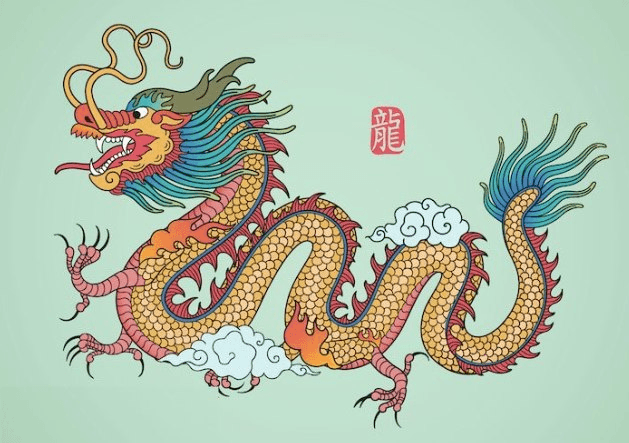
The origin of the myth about the war against the seven-headed dragon
In my opinion, the origin of the myth about the war against the seven-headed dragon is the encounter between the Indo-Europeans and the Chinese, and the question of who is worthy of using psychedelics and what the appropriate result of using them is. The victory over the dragon and the war against it is, as…
-
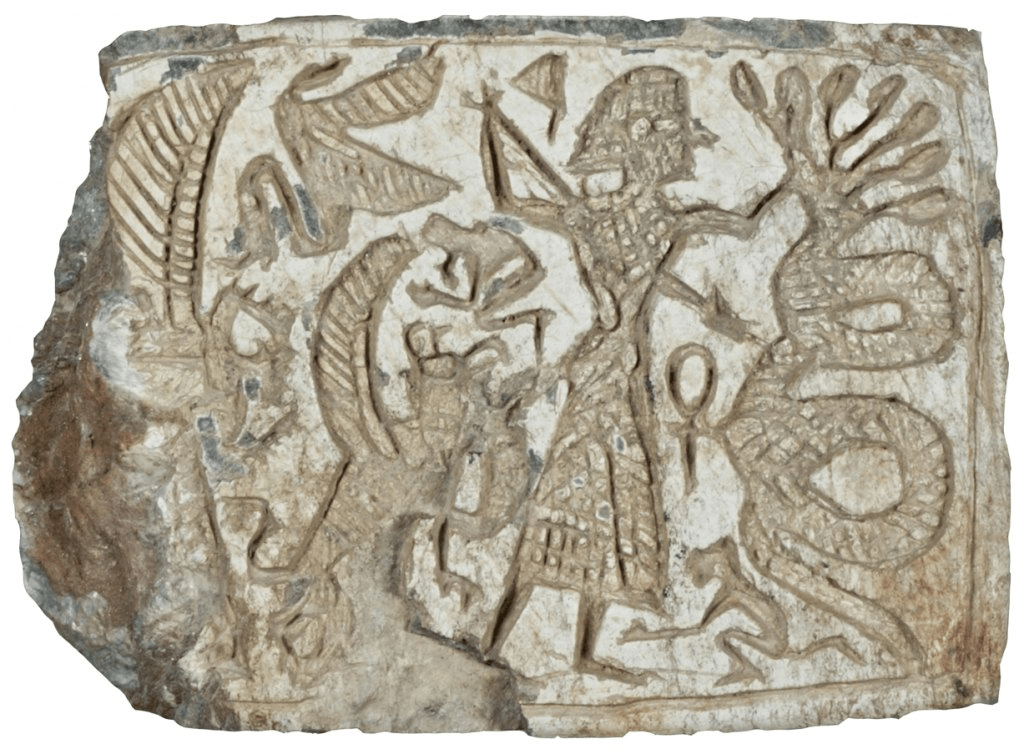
Mastering the Seven-Headed Serpent
About two years ago, a small seal from the eighth century BCE was found at Tel Hazor, excavated in the acropolis of the site. The seal depicts a scene of a warrior fighting a seven-headed serpent, along with other hybrid creatures such as a griffin, a winged scarab, and a winged cobra. Professor Christoph Uehlinger…
-
The color purple and the midwivery
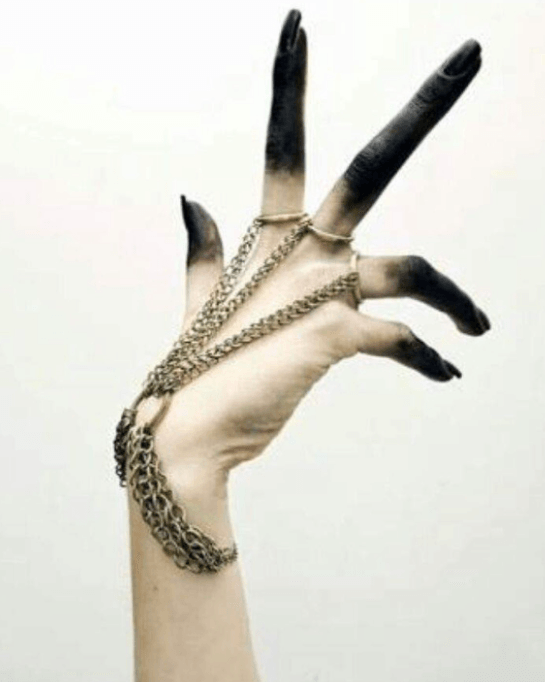
Ammon Hillman speaks extensively about the color purple in psychedelic contexts, starting from the point that purple was used in both religious rituals and medical practices. Ancient doctors were shamans, and many of them were women shamans. As early scientists, their practices were considered sorcery, and over time, they were condemned. We can already see…
-
The Significance of Twin Sacrifice in Maya Culture and the Myth of the Hero Twins
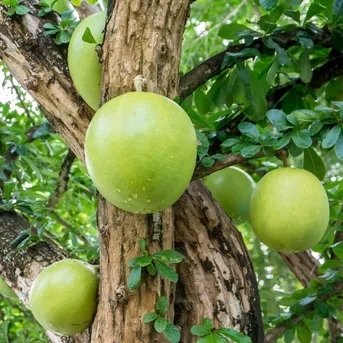
In Maya culture, the sacrifice of twins held special significance. Twins were perceived as having unique spiritual powers and symbolized important themes in Maya mythology and religion. They represented the concept of duality – the opposing and complementary forces existing in nature and the universe. They embodied the balance between good and evil, light and…
-
King Bladud myth as a psychedelic reference
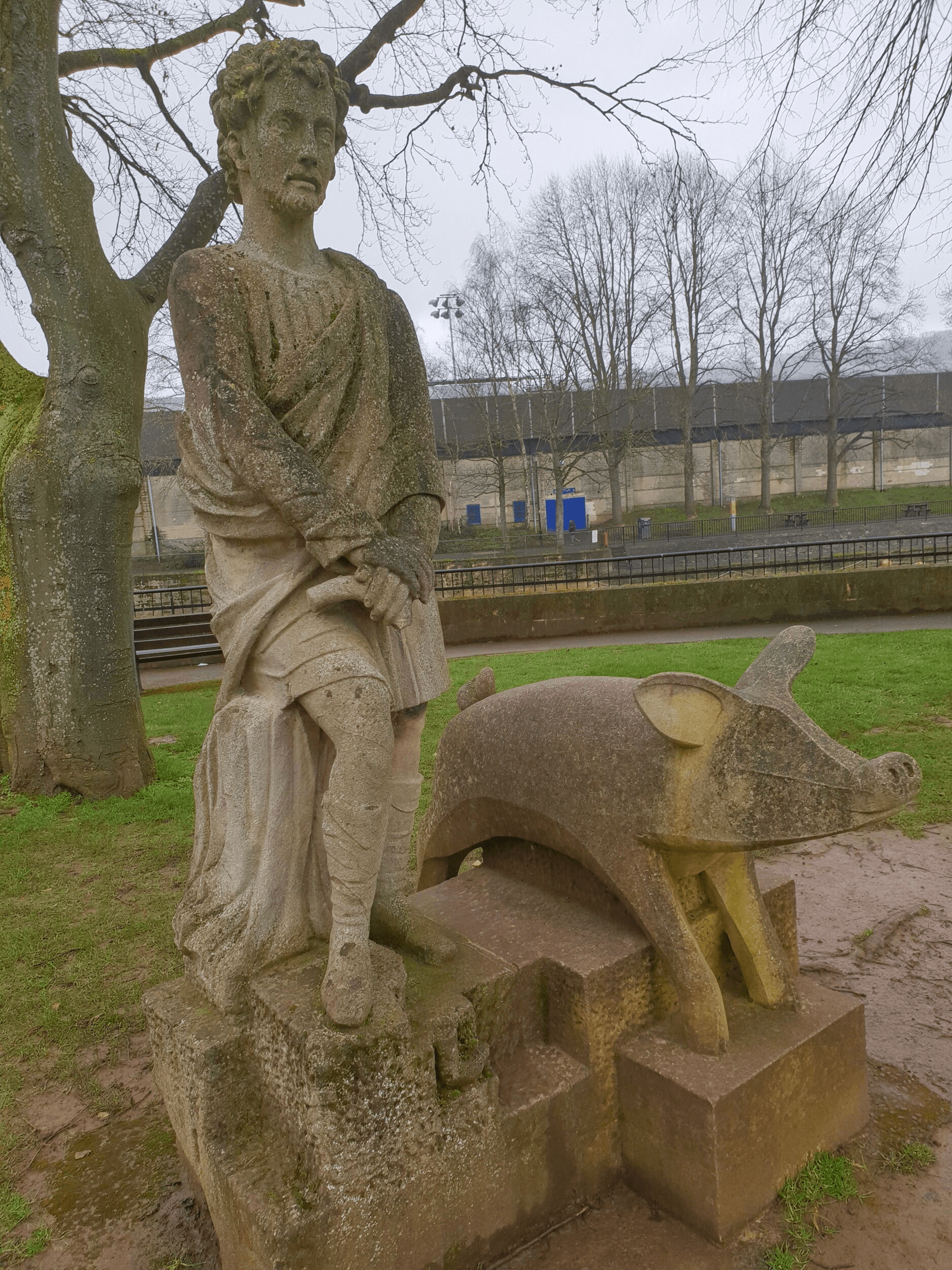
King Bladud is a legendary king who supposedly ruled Britain in the ninth century BCE. Of course, there is no historical record documenting Britain during this period, and the closest thing to history are various medieval chronicles of the kings of Britain, although none before the 12th century mentions the pre-Roman era. Therefore, the only…
-
The Molekh as an explanation to the Zeus and co myths
Sacrificing human offerings in Canaanite religion, especially offerings to deities like Baal, was a custom intended to ensure divine favor (article). The Carthaginians, descendants of the Canaanites, practiced child sacrifice. Classical sources describe the ritual sacrifices to Baal Hammon, where children were offered during crises to avert disasters or ensure victories. This practice is archaeologically…
-
Mount Hermon and the Origin of the Giants
Speaking of Mount Hermon as a sacred mountain and a type of Olympus, it is worth talking about the Olympian gods who dwelt on the mountain immediately after Zeus defeated the Titans and freed them from their confinement in the belly of their father Kronos. The Titans were a type of ancient giants, who ruled…