
תגית: mandrake
-
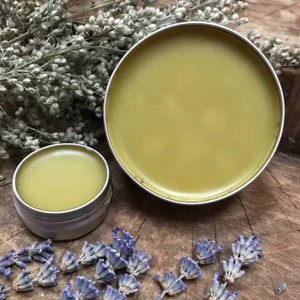
Mandrake ointment as the blood of the gods
In Greek mythology, the term "ichor" (ἰχώρ) refers to the life-fluid flowing through the veins of the gods—a kind of divine, ethereal “blood,” fundamentally different in nature from human blood. Homer, in the Iliad, describes how, when Diomedes wounds the goddess Aphrodite on the battlefield, red blood does not flow from her wound as one…
-
Dried fruits for prophecy?
On Tu Bishvat, dried fruits are eaten. Dried fruits are fruits that have undergone a preservation process. This allows fruits to be consumed outside of their ripening season while still retaining nutritional value. In some cases, however, the medical value of the fruit is more important than its nutritional value—meaning that the alkaloids and active substances…
-
The turtle as a fertility symbol – due to the mandrake connection?
A pleasant anecdote I discovered today: If you search for the mandrake fruit around June, when it ripens, most of what you’ll find are partially eaten fruits. The ones eating them are tortoises, which help the mandrake with seed dispersal. Interestingly, the tortoise is also a folkloric symbol of courtship. Various plants whose flowers resemble…
-
prophecy and false prophecy under the influence of the mandrake
following Prof. Amotz Dafni's new book "The mandrake through the jewish prism" I have a certain insight regarding the mandrakes, though I am sure it might have a deeper investigation. Josephus, in Wars of the Jews, refers to mandrakes as Baaras and describes the ritual of uprooting them: one ties a dog to the root,…
-
Evolution of Smell and Taste in Mandrake Plants: Geographic and Genetic Influences
Mandrake is a genus of three species belonging to the Solanaceae family. The mandrake is known for its intoxicating scent and sweet taste, often reported in folklore as an aphrodisiac, and it also has a reputation as a hallucinogenic plant. Like many other plants in the Solanaceae family, it contains various alkaloids, making it a…
-
Amots Dafni's "In search of traces of the mandrake myth"
Amots Dafni is Professor Emeritus of Botany at the University of Haifa. He does specialize in pollination, but in his last years before his retirement and even more so since his retirement, he delved into ethnobotany. As an expert on the pollination of mandrake, he became an authority on the ethnobotany of the plant. In…
-
Spongia Somnifera
Ibn Sina's (tenth century, aka Avicenna) recipe for the "Spongia Somnifera", which was the popular anesthetic in Arab medicine, and with its decline moved to the West, and was the main anesthetic until at least the 16th century: "Opium, juice of hyoscyamine, unripened berry of the blackberry, hog beans, lettuce seed, juice of hemlock, poppy,…
-
Tropane Alkaloids as an ancient dermal treatment for STDs/skin disease
Nightshades were used to create a paste to apply on the skin for healing from skin diseases. There is a very important mention of the dermal function of the mandrake in King Hezekiah that got boils, and Isaiah advised him to take a "dried fig" so he put it on the boil – and it…
-
Egypt as a Gateway for the Passage of STD diseases
"The Hittites, the Israelites and the Greeks saw Egypt as a source of spreading diseases. Descriptions of epidemics in the Hittite, Egyptian or Bible sources mention smallpox or the bubonic plague. As the historian of the Peloponnesian War, Thucydides set new standards in terms of the style and manner in which historiography was conducted. This…