
תגית: agriculture
-
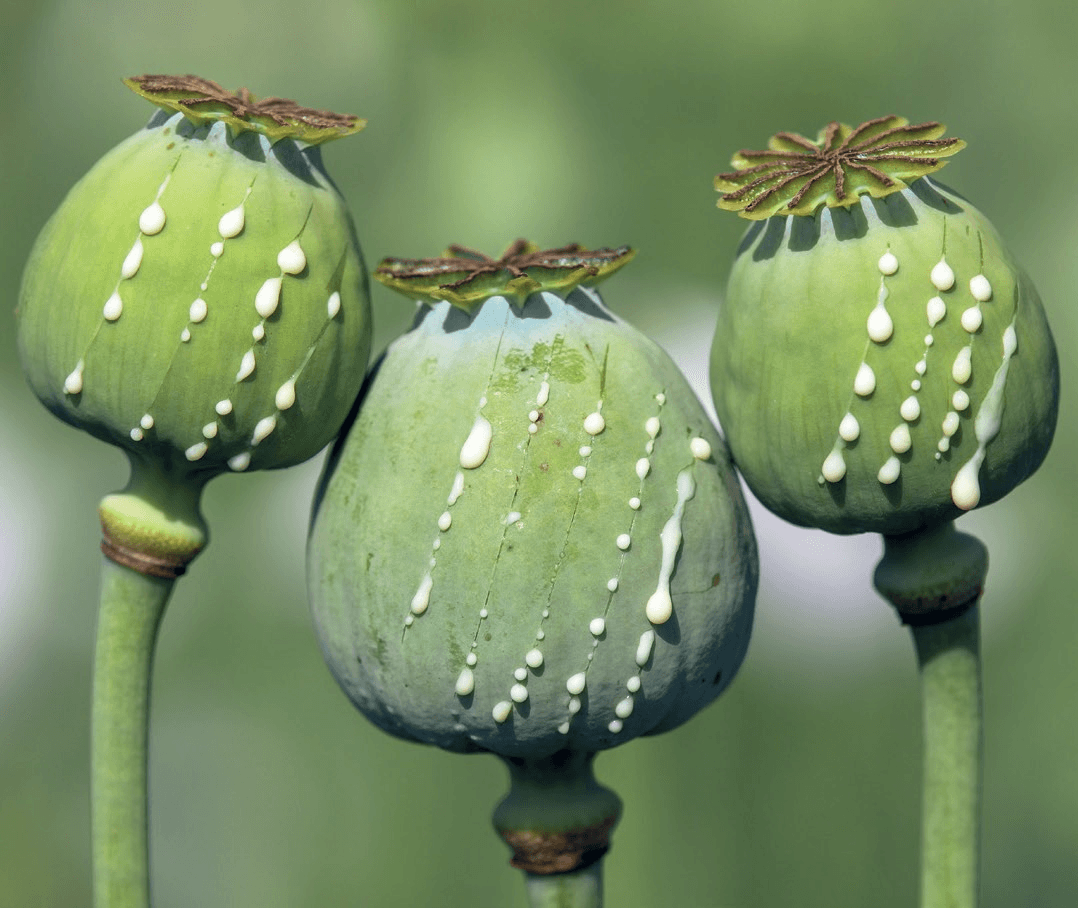
Early history of the poppy
The opium poppy (Papaver somniferum) is a domesticated species. It has no wild counterpart. In other words, it was created by humans—whether through hybridization, selection, or encouraging mutations. It is considered one of the earliest agricultural species to undergo a process of “primitive genetic engineering,” alongside wheat, barley, and coca. Most botanists agree that its…
-
The Evolutionary Impact of Agriculture: Vitamin D, Lactose Tolerance, and Genetic Adaptations in Early European Societies
Late-night thoughts, and I apologize in advance to those more knowledgeable in nutrition, seeking tips and corrections. From what I've read, the transition of European society from nomadic hunting to agriculture contributed to genetic changes manifested in lighter skin and lactose tolerance. I understand this is related to the amount of vitamin D in the farmers'…
-
Oldest bread is even earlier than oldest beer, both of the Natufians
Next week, we are going to hear about the world’s oldest beer, discovered around 12,000 years ago at a Natufian site (Raqefet Cave in the Carmel). But it's worth noting another Natufian site where a grain-based product was found, shedding light on Natufian grain usage that predates the domestication of grains. Once we understand this,…
-
Saliva spit wine, an outcome of duplication of a gene AMY1
A new study conducted by the University of Buffalo and the Jackson Laboratory (JAX) reveals how the duplication of a gene known as salivary amylase (AMY1) helped shape human adaptation to starchy foods, leading to a dietary shift from non-starchy to starchy, or even starch-rich, foods. The duplication occurred in two stages: the first following…
-
the evolution of the rooster through domestication
On Shabbat tractate of babylonian talmud 30b it is said: "Rabban Gamaliel sat down and preached: [In the days of the Messiah] a woman will come who will give birth every day, as it is said (Jeremiah 31:8) 'She will conceive and give birth together'. Same disciple mocked him, and said, 'There is nothing new…
-
Europe’s earliest cities relied on fertiliser and plant protein
The early farmers who lived nearly 7,000 years ago in Trypillia, what is now Ukraine and Moldova subsisted on a diet consisting mostly of grains and peas (protein rich), which allowed them to go largely meat-free. It is not that there were no animals. Animals were, and they also ate by-products of the peas and…