
קטגוריה: english posts
-
"What Western medicine can learn from the ancient history of psychedelics"
Dr. David Cox, a PhD in neuroscience from Cambridge University, writes in the BBC about why he believes that Western society is doing an injustice to both indigenous communities, traditional psychedelic use, and psychedelics themselves. Here’s what he writes: Ancient societies, especially indigenous communities, used psychedelics not only for medical purposes but also as tools…
-
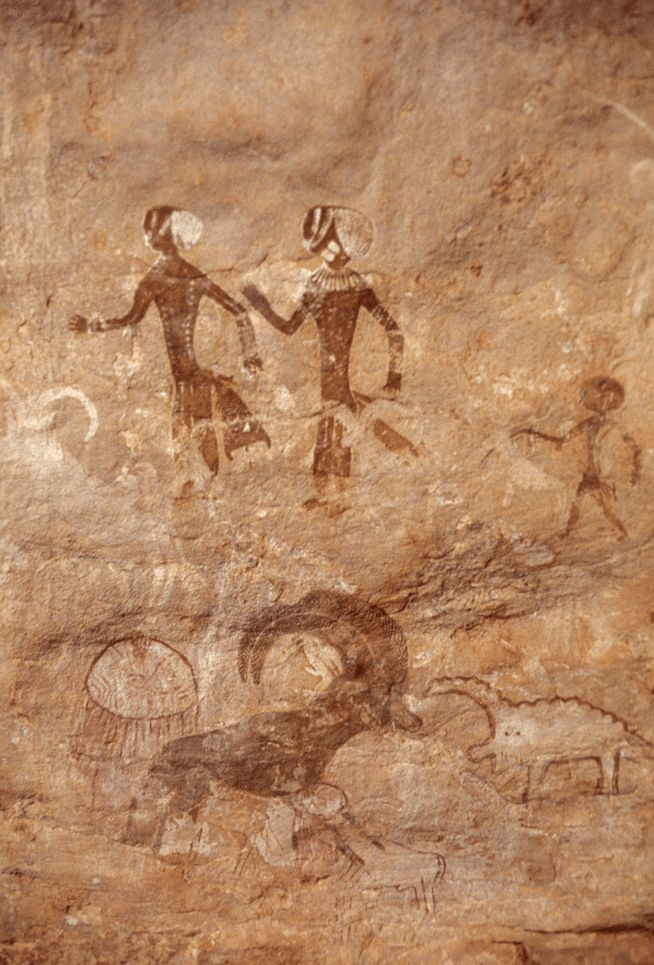
Because of poo fungi the ancient man worshiped horses
The veneration of horses among early shamanic societies likely arose because horses produce a significant amount of manure, and certain mushrooms, known as "coprophilous" fungi, attach to their dung to reproduce. These fungi are called coprophilous because they rely on their hosts to excrete them in manure, which acts as fertilizer, thus spreading their spores.…
-
The history of cannabis
This following video from the Nutty History channel describes the history of cannabis over thousands of years and its impact on human culture. It begins by mentioning the diverse uses of the plant throughout history: medicine, agriculture, and spiritual rituals. Below, I will outline a bit of its ancient history: Cannabis was widespread in ancient…
-
oldest known eclipse reference in the Rig Veda
The Rig Veda is among the oldest known texts, and it is itself a written version of a text that was orally transmitted many years earlier. It is dated to around 1500 BCE, preserving memories of events that occurred long before its time. How long before? Astronomers who analyzed a passage within it, based on…
-
God is purple
A new book from Brill by Ephraim Ayil from Hillsdale College is available for free download: Identifying the Stones of Classical Hebrew. Why do we need another book on the identification of gemstones in the Bible after Zohar Amar's book, "The Charm of the Stone"? Ephraim Ayil responds, "This Hebrew book is a priceless resource…
-
The role of shamans in mongol history
Throughout their expansion across Eurasia, the Mongols adopted many religions from the conquered peoples, but they always maintained their roots in their original animist faith, led by shamans. Both male and female shamans served as spiritual guides for the Khans, engaging in fortune-telling, performing rituals, and even participating in military decisions. They advised the Khans…
-
Near-Death Experiences and Psychedelic Trips Are Scientifically Similar
A recent study found similarities and differences between the experiences of people who have had near-death experiences and those who have used psychedelic substances. The similarities are phenomenological and psychological, while the differences lie in sensory perception and the sense of reality experienced by the individual. Given these similarities, psychedelics may serve as a model…
-
Shipibo-Conibo Leaders Sound the Alarm About the Extinction of Ayahuasca
Shamans from the Shipibo-Conibo tribe in Peru express deep concern about the continued existence of the sacred ayahuasca plants in the Amazon rainforest and their traditional medicinal knowledge, which is under constant threat. Plants like Banisteriopsis caapi and Psychotria viridis, essential for preparing ayahuasca, are being depleted due to high demand from spiritual tourists and…
-
Megalithic structure found in Kazakhstan was probably a place of worship for miners in the Bronze Age
Turkish and Kazakh researchers believe that findings from a megalithic structure named Taskamal (literally: "Stone Fortress"), located in the Burabay district of the Akmola region in northern Kazakhstan, were associated with gold mining activities in the area and that it may have served as a place of worship for miners during the Late Bronze Age.