
קטגוריה: english posts
-
Burned Bones and Rituals: Unraveling the Mysteries of Trypillia Culture in Neolithic Ukraine
A research team led by Johannes Müller from the Institute of Prehistoric and Protohistoric Archaeology at Kiel University, Germany, has uncovered new details about the lives of people who lived over 5,600 years ago near Kosenivka, Ukraine. The Neolithic Cucuteni-Trypillia culture thrived in Eastern Europe between 5500 and 2750 BCE. Their large settlements, housing up…
-
Desert Kites: Ancient Hunting Tools and Their Cultural, Ritual, and Ecological Significance
Desert kites are ancient structures designed as highly efficient tools for the mass hunting of animals. These structures feature long stone walls arranged in a funnel shape, guiding animals toward a central trapping point—usually a deep pit or steep slope—where the prey was captured. The kites were carefully constructed to utilize natural terrain features, such as…
-
Discovery of a New Psilocybe Species in South Africa Brings Insight into Psychedelic Fungi Evolution
Psychedelic mushrooms growing in South Africa have been identified as a new species closely related to Psilocybe cubensis, the most well-known “magic mushroom” species. The discovery brings scientists one step closer to understanding the evolutionary origins of these psychoactive fungi. Alex Bradshaw from Clark University in Worcester, Massachusetts, and his colleagues named the newly described…
-
The Burning Bush and Zoroastrian Parallels
Gad Barnea from the University of Haifa analyzed the Zoroastrian context of the Burning Bush pericope in a lecture he delivered yesterday. The inspiration for the biblical story primarily lies in two areas: the role of fire in worship and the philosophical concept of God’s existence. The Burning Bush represents a divine revelation through fire, and…
-
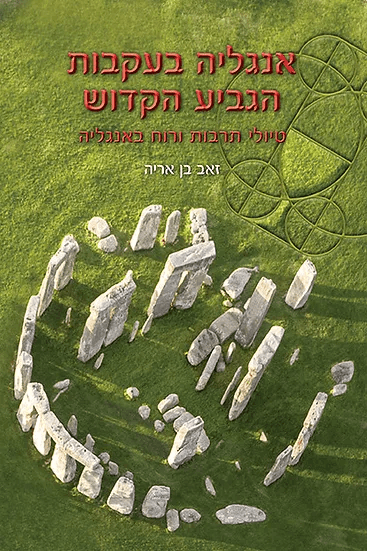
Ley Lines and Sacred Geometry: Shamanic Journeys, Spiritual Acoustics, and the Mysteries of Neolithic Britain
I’m not particularly fond of New Age ideas or alternative theories in the style of Graham Hancock. However, I do appreciate theories that touch on shamanism and altered states of consciousness, which is why I find value in exploring Paul Devereux’s theory regarding the essence of ley lines in Neolithic sites across ancient Britain. (An excerpt…
-
37,000-Year-Old Ritual Ceremony Unearthed in Manot Cave: Earliest Evidence in the Middle East
Evidence of a ritual ceremony conducted in the depths of a stalactite cave 37,000 years ago—the earliest such evidence discovered in the Middle East—has been uncovered in Manot Cave in the western Galilee. The study, led by Omry Barzilai of the University of Haifa, was published today in the journal Proceedings of the National Academy of…
-
Heavenly Horses: Myth, Reality, and the Symbolism of Power in Ancient China
Myth and reality intertwine in the story of the “Heavenly Horses”, creatures regarded as nearly supernatural beings in ancient Chinese culture. According to legends, these horses were extraordinarily fast, capable of covering a thousand li (approximately 400 miles) in a single day, and their movement was described as flying above the ground. Their bodies were marked…
-
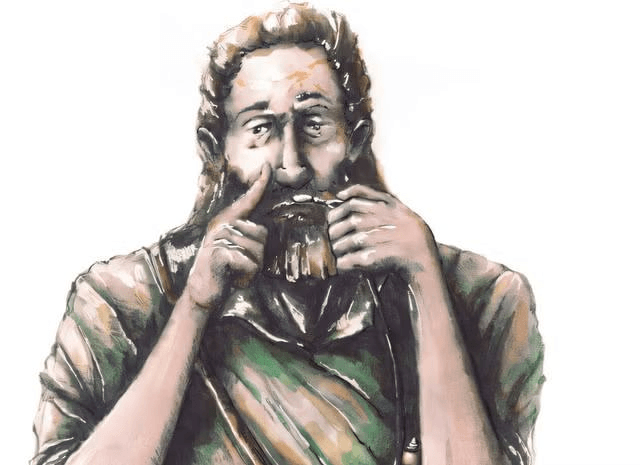
Germanic communities of the Roman period used stimulants at the battlefield
Researchers from Maria Curie-Skłodowska University in Poland have discovered small spoon-shaped tools attached to the belts of warriors in Northern Europe. They sought to identify available plant-based raw materials that stimulated the body and assessed their effectiveness. They concluded that these plants included various stimulants and mind-altering substances, and thus inferred that these tools were…
-

The Bee as a Messenger of Wisdom: Insights from Proverbs and Ancient Traditions
A few further thoughts on the bee’s role as a messenger of wisdom. The bee, as a divine courier of wisdom, smuggles deliveries from the celestial dealer. Interestingly, the Septuagint translates the verse “Go to the ant, you sluggard; observe her ways and become wise” as if it refers to the bee instead of the ant.…