
תגית: tyrian purple
-

Phoenician initiation rites in Tyrian purple production laboratories
In the past, we explored the possibility that the process of producing Tyrian purple induces, over time, bromine poisoning characterized by neurological and psychotropic side effects, and that this was the catalyst that drove the ancients to produce it and sanctify it. But it turns out that bromism is only a side issue, and there's…
-
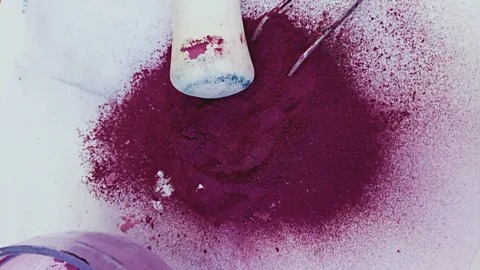
Tyrian purple as a psychoactive agent
Tyrian Purple is an ancient and unique dye derived from the secretion of snail glands. The production of this dye, which symbolized wealth and high status in the ancient world, involves a series of delicate chemical processes that require great timing and precision. If not done correctly, the desired product may not be obtained. In modern…
-
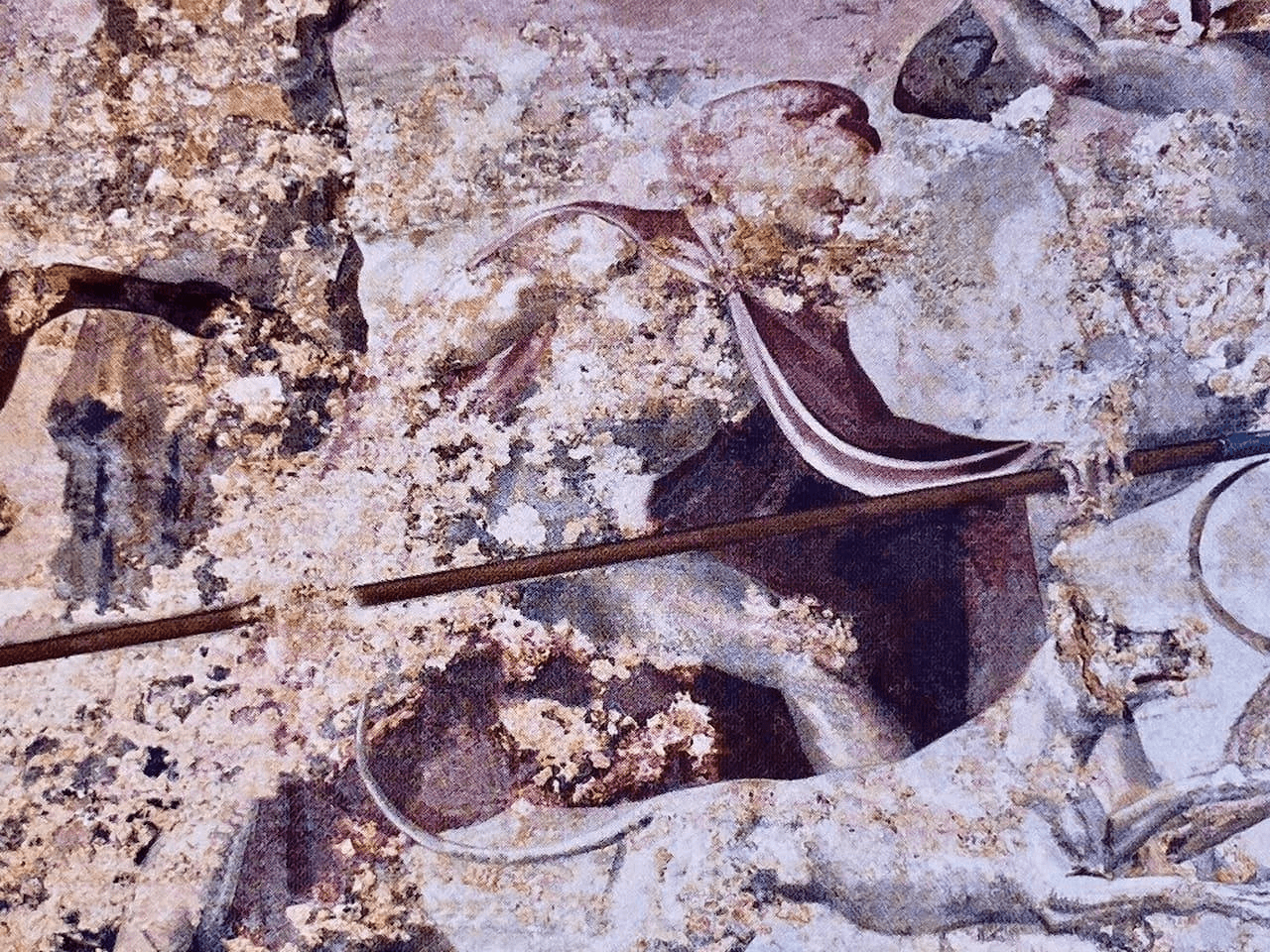
Sacred tunic of Alexander the Great identified
During excavations in Royal Tomb II at Vergina, Macedonia, Greece, archaeologists uncovered several prestigious artifacts, including a purple tunic, a golden oak wreath, and various royal items like a diadem and scepter. The purple tunic is made of cotton and dyed in Tyrian purple, a color associated with royalty. The golden oak wreath was found…
-

The color purple and the midwivery
Ammon Hillman speaks extensively about the color purple in psychedelic contexts, starting from the point that purple was used in both religious rituals and medical practices. Ancient doctors were shamans, and many of them were women shamans. As early scientists, their practices were considered sorcery, and over time, they were condemned. We can already see…
-
The psychedelic origin of the Tyrian purple?
A factory for producing Tyrian purple dye from the 16th century BCE was found on the island of Aegina, adjacent to mainland Greece. The Phoenicians were not at their peak during that time, and it is likely that the factory was not Phoenician but Minoan. It turns out that the original producers of Tyrian purple…
-
Archaeologists have revealed a major production Tyrian Purple site in Tel Shiqmona
A study by researchers from the University of Haifa published in the journal of the Tel Aviv Institute of Archeology: During a significant part of the Biblical Iron Age, starting from approximately 1150 BC until 600 BC, Tel Shiqmona (Haifa coast) was not used as a residential settlement as believed In the past, but as…
-
snails as sacred animal?
In the Christian basilica of Aquileia in northern Italy, in the sermon pulpit of the northern hall, which is the oldest part of the basilica, dating to 330 AD, a mosaic floor was found showing a basket of Amenita Muscaria mushrooms. Next to it is an illustration of a basket of snails. The Romans liked…