
תגית: soma
-
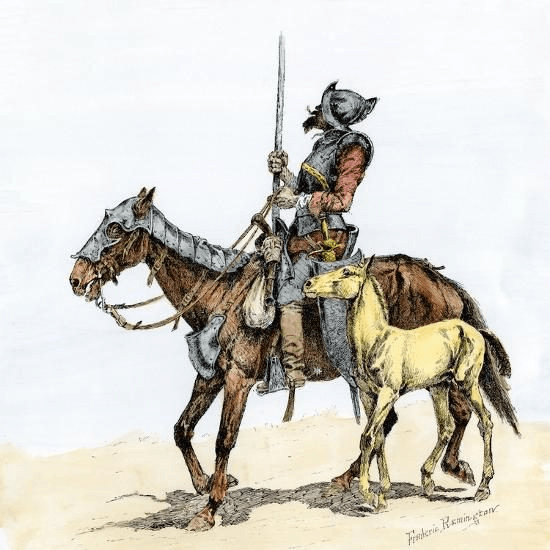
Indo-European initiation ceremonies
How could a prehistoric language, never written down, spread across continents, undergo countless transformations, and become the foundation of the most widely spoken language family in the world today? Science journalist Laura Spinney explores this in her new book "Proto," which focuses on the Proto-Indo-European language. Spinney recounts the story of the Yamnaya culture—nomadic shepherds…
-
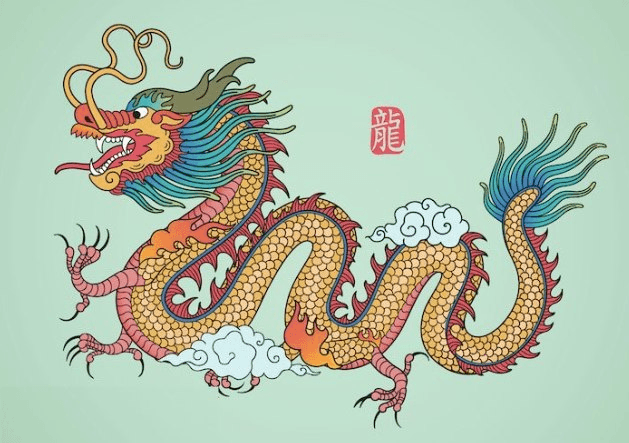
The origin of the myth about the war against the seven-headed dragon
In my opinion, the origin of the myth about the war against the seven-headed dragon is the encounter between the Indo-Europeans and the Chinese, and the question of who is worthy of using psychedelics and what the appropriate result of using them is. The victory over the dragon and the war against it is, as…
-

The Soma preperation as copper melting simulation
I am currently reading the book "The Copper Revolution" by Nissim Amzallag. It's one of the best and most mind-blowing books I've read. In short, the book argues that the origins of religion lie in humanity's amazement at natural phenomena of heat and wind. Through this form of observation, ancient chemistry was born, enabling humans…
-
Berserkers and the Symbolic Power of War
Did the Viking berserker ritual involve drug use to achieve a battle frenzy? Maybe. But there's no evidence for it, so it's entirely speculative. The idea was first proposed by the Swedish theologian Samuel Ödmann in 1784, based on a thirteenth-century description by Snorri Sturluson, who described the wild behavior of warriors before battle and…
-
The Haoma plant identification
"The Farvahar, the soul of Zarathushtra, descended into the physical world in the form of the um. The haoma – In Middle Persian hum, and in Sanskrit soma – is a plant that was used for worship purposes in the ancient Indo-Iranian religion. Scholars differ in their opinions regarding its identification. The meaning is "squeezing",…
-
The Dragon Slayer Archetype
In the Aarne-Thompson Motif Index, motif number 300 is "The Dragon Slayer" which involves a hero who defeats a fearsome dragon and cuts off its head. Sometimes, the hero doesn’t kill the dragon but only neutralizes it. Since the dragon has magical powers that allow it to rise from its ashes or strengthen in other…
-
Why Manichaeans had fondness with red mushrooms
R. Gordon Wasson writes on his "Soma: Divine Mushroom of Immortality" pages 71-73 about the fondness Manichaeans had to mushrooms, red ones, and hence, Amanita Muscaria aka Soma, he suggests. Wasson credits St. Augustine, citing his "On the Morals of the Manichaeans", when he condemns those who eat mushrooms. The original word in Augustine's is…