
תגית: Medicinal plants
-
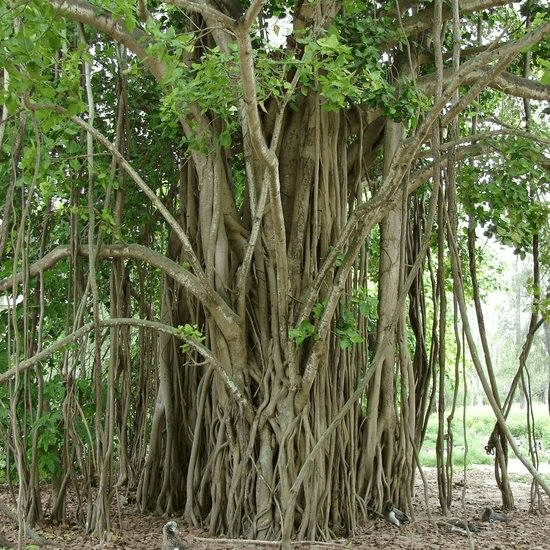
The Banyan tree
The Indian Banyan tree ("Ficus benghalensis"), also known as the Indian fig tree, holds extensive cultural, religious, and medicinal significance in Indian culture and religion. Its status as a sacred tree has developed over generations and continues to influence daily life, worship, and common beliefs. In addition to its religious value, this tree possesses medicinal…
-
Traditional healers in Philippines keep their ‘forest pharmacy’ standing
The shamans in the village of Cantabon on the island of Siquijor, in the Philippines, are busy preserving the surrounding forests and especially the medical knowledge they have gained from the medicinal plants that grow there. Government initiatives, environmental organizations and researchers assist them in gathering this information. The forest is considered sacred to the…
-
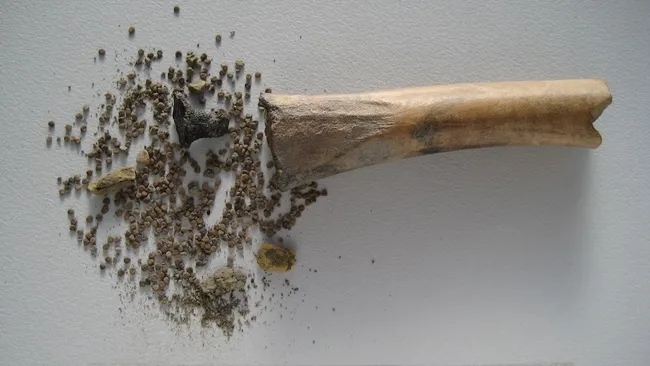
Evidence of the intentional use of henbane in the Roman Netherlands
Archaeologists have discovered the first conclusive evidence that the henbane was used in the Roman world (Hyoscyamus niger). Before this discovery in 2017, there was no physical evidence of this plant being used by people in the Roman Empire. Hundreds of the plant's seeds were found in a 7 cm long hollow bone of a…
-
Avraham and Leah's Dahan's "The encyclopedia of plants' Talmud"
Finally, I am the proud owner of Avraham Dahan's (and his wife) "The encyclopedia of plants' Talmud" (hebrew). 1300 pages of content and another 70 pages of indexes. The book is divided into 5 parts: medicinal plants, spices, incense, the Seven Species and fruit trees. The entries contain ethnobotanical history, quotes and references in Jewish…
-
Gidi Gur and Nissim Krispil's "Persian Medicine – Ethnobotany on the Silk Road"
Now I'm the the proud owner of "Persian Medicine – Ethnobotany on the Silk Road", a 600+ pages-long book written by Gidi Gur and Nissim Krispil, published last year. Nissim Krispil is considered one of the fathers of ethnobotany in Israel, and stands behind one of the foundational books in the field, "Yalkut hatzmachim" ("herbs…