
תגית: Hebrew
-
God is purple
A new book from Brill by Ephraim Ayil from Hillsdale College is available for free download: Identifying the Stones of Classical Hebrew. Why do we need another book on the identification of gemstones in the Bible after Zohar Amar's book, "The Charm of the Stone"? Ephraim Ayil responds, "This Hebrew book is a priceless resource…
-
Etymology of cannabis and the "kaneh"
Rabbi Michoel Green writes about the etymology of the word "cannabis", noting that it contains the root K.N.H, a versatile and multifaceted verb in Hebrew. He asserts that this verb has applications across numerous fields in both Hebrew and foreign languages. The original meaning of "kaneh" is a stalk or reed, with one of its…
-
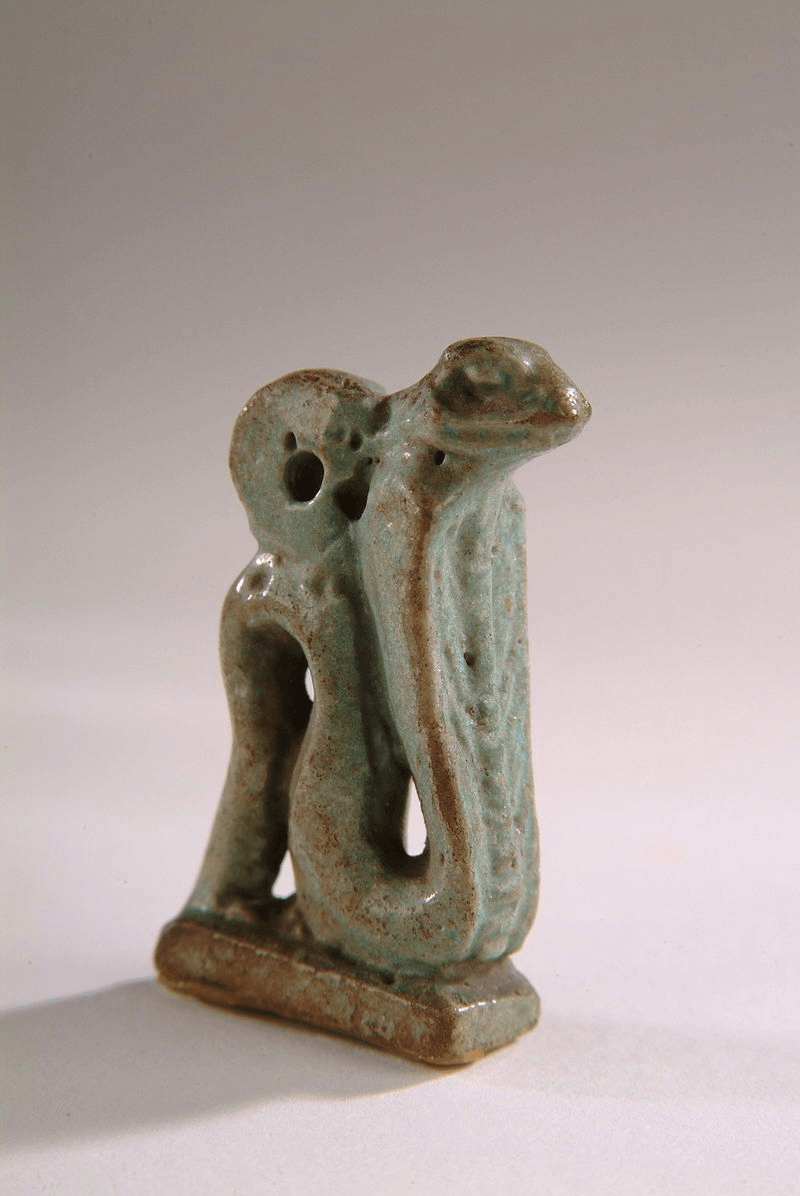
The Symbolism of the Hebrew Word "Nasi" and Its Potential Egyptian Origins
In Hebrew, "president" is "the most exalted of all", according to I Kings 1:5 and also according to the Nachmanides in his interpretation of the verse "You shall not curse God, and you shall not curse a president among your people" (Exodus 22:27). In Proverbs 25:13, it seems that the clouds are also called that…
-

the meaning of the hebrew word "Aviv" would indicate the biblical barley at Exodus as an early stage of the evolution of the cultivated barley, as opposed to the relatively more advanced stage of the wheat.
After the hailstorm plague in Egypt, it is told in the book of Exodus that the crop was mostly destroyed, but not entirely. "And the flax and the barley was smitten: for the barley was in the ear, and the flax was bolled. But the wheat and the spelt were not smitten: for they were…
-
Tziporen is Saffron and derived etymologically from the birds' claw and feathers
One of the symbols of incense is the tziporen and the question arises as to what it is of course, and why it is called that. Tziporen is thought to be clove, probably because its buds are sharp and resemble fingernails. But for me it doesn't make sense. Let me explain. At this point, it…
-
Adam Zertal's "God's feet – how we discovered the Gilgals in the Jordan Valley"
Adam Zertal was an Israeli archaeologist who participated in the survey of Judea and Samaria after the Six Day War, and was behind some controversial discoveries such as the discovery of the Joshua temple on Mount Ebal. Before his death in 2015, he was behind another controversial discovery when he discovered 6 sites shaped like…