
תגית: ancient history
-
"What Western medicine can learn from the ancient history of psychedelics"
Dr. David Cox, a PhD in neuroscience from Cambridge University, writes in the BBC about why he believes that Western society is doing an injustice to both indigenous communities, traditional psychedelic use, and psychedelics themselves. Here’s what he writes: Ancient societies, especially indigenous communities, used psychedelics not only for medical purposes but also as tools…
-
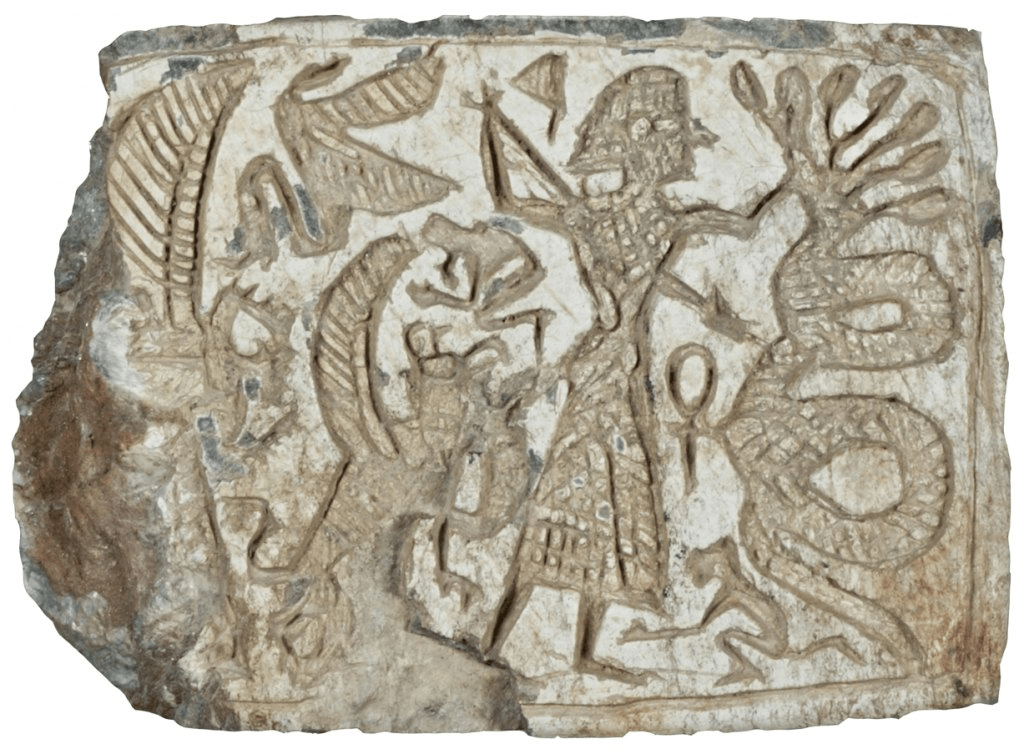
Mastering the Seven-Headed Serpent
About two years ago, a small seal from the eighth century BCE was found at Tel Hazor, excavated in the acropolis of the site. The seal depicts a scene of a warrior fighting a seven-headed serpent, along with other hybrid creatures such as a griffin, a winged scarab, and a winged cobra. Professor Christoph Uehlinger…
-
Modern Religious Druidry and the controversy over psychadlics
A new book, "Modern Religious Druidry", delves into the academic study of the neo-pagan Druidic movement, Druidry. It includes an entire chapter on the internal Druidic controversy regarding the necessity and legitimacy of using psychedelic drugs to enhance the spiritual experience. Proponents argue that ancient Druids also used such substances. This claim is also controversial…
-
The Temporality of Festivals
The book "The Temporality of Festivals", edited by Anke Walter as part of the Chronoi series, is now available for free download. This book delves into the unique temporal aspects of festive times in ancient societies. It explores how festivals manage to make time "special" and imbue it with meaning that encompasses the past, present,…
-
New Study Challenges Human Transport Theory of Stonehenge Bluestones with Glacial Evidence
A new study claims that the bluestones at Stonehenge were not transported to the site by humans but are instead the result of natural glacial movement. The research is based on an analysis of the Newall Boulder, a bluestone discovered at the Stonehenge site in 1924. Until now, the overwhelming majority of archaeologists believed that…
-
Mythology and Malaria
Ancient cultures around the world intertwined mosquito-borne diseases, such as malaria, with mythology. People used gods, demons, and supernatural forces to explain the spread of these diseases. In the second chapter of his book, "The Mosquito," recently translated into Hebrew and originally published in English in 2019, Timothy C. Winegard provides several examples. Mesopotamian texts…
-
PTSD in mesopotamia
Medical texts in cuneiform from the Assyrian period (14th to 7th centuries BCE) refer to war injuries extending beyond physical damage, as well as unintelligible speech, terrifying hallucinations, and wandering thoughts. These can be interpreted today as PTSD —according to Walid Khalid Abdul-Hamid and Jamie Hacker Hughes in a 2014 study published in "Early Science…
-
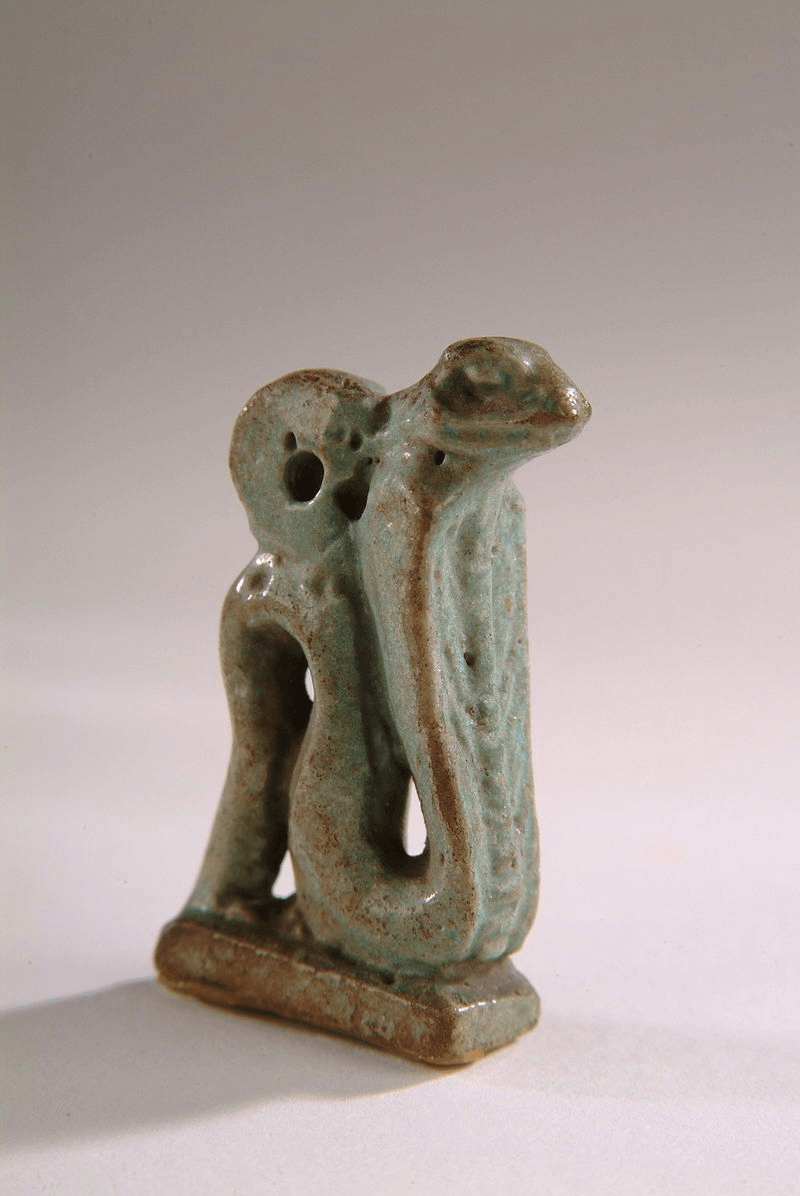
The Symbolism of the Hebrew Word "Nasi" and Its Potential Egyptian Origins
In Hebrew, "president" is "the most exalted of all", according to I Kings 1:5 and also according to the Nachmanides in his interpretation of the verse "You shall not curse God, and you shall not curse a president among your people" (Exodus 22:27). In Proverbs 25:13, it seems that the clouds are also called that…
-
The hebrew word for wine is borrowed from Indo-European
In the Bible there are many words in Hebrew that describe the vine, the products of the vine and the processing of the vine. On the one hand, this proves the centrality of the grapevine industry in the Hebrew-speaking culture in ancient times, but also probably proves a meeting between cultures. The duplication of words…