
-
Ancient collaboration between homo species in worship?
Researchers led by Professor Yossi Zeidner from the Hebrew University excavated in Tinshemet Cave and are drawing insights into the cooperation between Neanderthals and Homo sapiens during the Middle Paleolithic period (100,000+ years ago). One of the findings is that the cooperation between the groups led to similar, and perhaps shared, rituals, including the use of ochre – both for body decoration and in burial practices. Although this is not definitive. The excavations revealed a significant quantity of ochre fragments in various colors (red – more than 75%, brown, yellow, purple) and sizes. The fact that the ochre findings were located near graves suggests they were used in burial rituals, which are characterized by placing ochre on the bodies of the deceased. The fact that ochre requires processing (heating), and was typically brought from distant locations, hints that it held symbolic importance, possibly with a special significance to the color red.
-
Vikings had a completely different relationship to animals than we have today
During the Viking Age, the relationship between humans and animals was spiritual and complex, with no clear hierarchy where humans were considered dominant over animals. This hierarchy only emerged with the Christianization of Scandinavia, at which point the belief faded, and animals were seen as either enemies of humans or simply their servants.
The Vikings believed in the ability to transform (shape-shifting) and to adopt the traits of animals such as wolves, bears, eagles, and dragons. Animals with spiritual power were considered important partners of humans, possessing qualities that could be used to empower or grant spiritual strength. Archaeological artifacts found suggest that the Vikings adorned their possessions and clothing with depictions of animals for protection and blessings. For example, the wolf was believed to grant strength, courage, and audacity. Odin himself had two wolves named Geri and Freki (on the other hand, a wolf named Fenrir would eventually kill him at the end of days). The bear was also considered a powerful animal. The eagle was seen as a symbol of sharp vision and awareness, as well as a connection between different worlds. The boar was a symbol of health and was linked to gods such as Frey and Freya. Snakes and dragons were sacred, and those who overcame them were considered heroes.
-
Is stonhendge a replica?
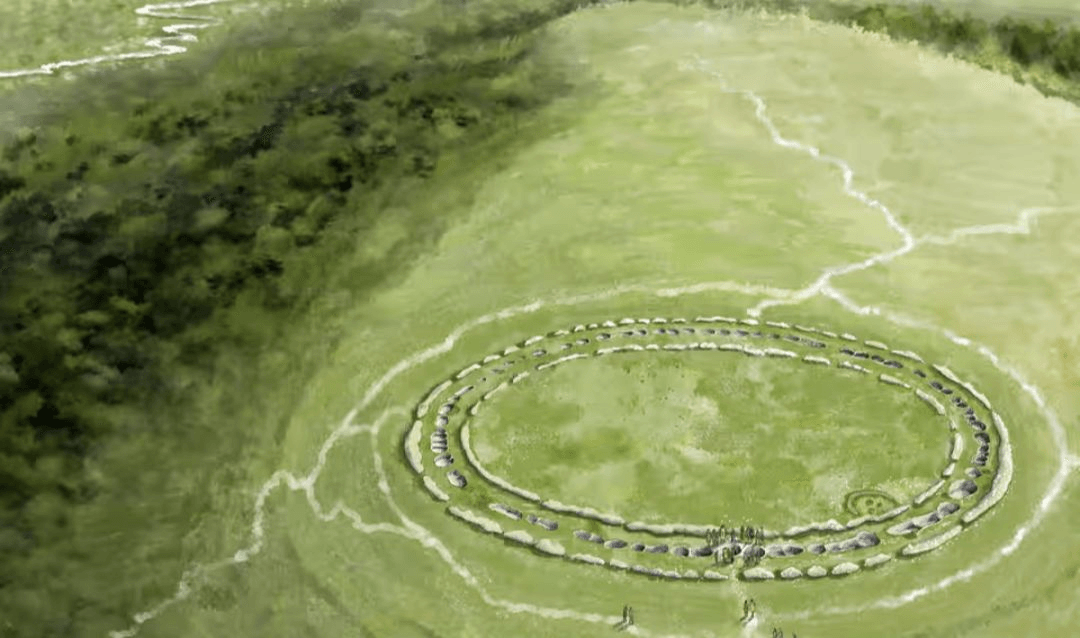
Researchers from the University of Exeter and Historic England, using advanced radiocarbon analysis, suggest that Stonehenge may have been a replica of another stone circle dated to 3200 BCE. Stonehenge itself was dated to only around 2900 BCE.
The stone circle in question is the Flagstones monument, located near Dorchester in Dorset. A new dating analysis pushes its construction back by an additional 200 years from previous estimates.
Flagstones was discovered in the 1980s during the construction of the Dorchester bypass. Excavations revealed a circular enclosure with a 100-meter diameter, consisting of intersecting ditches, likely with an earthen bank. Flagstones has been designated a protected monument, and its findings are preserved at the Dorset Museum.
At least four burials were found in the site's pits—one cremated adult and three uncremated children—along with three partially cremated adults in other areas of the site.
-
Roman transexuals
The term cinaedi (singular: cinaedus) was a designation in ancient Rome for men whose behavior was considered particularly effeminate, both in terms of their speech, walk, and dress, as well as their sexuality. They were perceived as existing outside traditional masculine norms and were often the subject of ridicule and satire in Roman literature. The term itself derives from Greek (kinaidos, κῐ́ναιδος), where it referred to men who were considered sexually passive—that is, those who took on the “female” role in homosexual relationships. In the Roman world, cinaedi were sometimes depicted as men who may have even undergone castration to emphasize their femininity, though there is no definitive historical evidence for this. In Roman sources such as the writings of the poet Martial and the novelist Petronius, cinaedi were portrayed as laughable but not necessarily outcasts—meaning they were part of the social fabric, even if they were seen as deviating from gender norms.
The Galli were priests devoted to the Great Mother goddess Cybele, a Phrygian deity who was incorporated into Roman religion. These priests were men who underwent self-castration as part of a religious rite and dedicated their lives to the service of the goddess. They lived in monastic communities, wore women’s clothing, sometimes used feminine pronouns, and performed loud and ecstatic rituals that included music, drumming, wild dancing, and self-inflicted bodily harm (such as self-flagellation). In Roman mythology, the first priest of Cybele, Attis, castrated himself in a fit of religious frenzy, and this act became the model for the initiation of the Galli priests.
Cicero and Titus Livius recount that in 204 BCE, the Roman state consulted a set of prophetic scrolls known as the Sibylline Oracles regarding the best way to respond to the pressures it faced during the Second Punic War—Rome’s prolonged conflict with Carthage and its fierce military commander, Hannibal. The answer of the oracles—and Rome’s subsequent action—was to bring the Galli priesthood of Cybele to the heart of Rome, where it would remain for the following centuries. They established a temple to Cybele on the Palatine Hill. Ovid recounts that every year, during Cybele’s festival, the Galli would march through the streets of Rome carrying a statue of the goddess, while howling wildly in rhythm with the sound of wailing pipes, booming drums, and clashing cymbals.
Rome forbade its male citizens from undergoing castration, as it was considered a grave crime and an affront to Roman masculinity. Only non-citizen men (such as freed slaves or immigrants from the East) were allowed to join Cybele’s priesthood and undergo the castration rite. It can be assumed that the dismissive attitude toward transsexuals is related to the perception that such an act was considered uncivilized or barbaric. It was not forbidden and was even essential, but in the ancient world, a man was expected to be a “man,” and a woman was expected to be a “woman”. Places where these roles were reversed were necessary and indispensable, yet still existed outside of society—that is to say, outside the norm.
Chris Bennett argues that androgynous worship is linked to two cultic traditions from the broader region—the Scythian and the Mesopotamian. In both cases, these dedicated individuals would sit beside the altars of the Great Mother goddess, weave hemp fibers, burn cannabis as incense, and chant. This connection ties the phenomenon of the Galli to broader cultic practices involving altered states of consciousness.
-
Culturally Modified Trees
“Culturally Modified Trees” (CMTs) are trees that bear clear signs of historical human use, particularly by Indigenous communities. These signs may include: bark stripping for making baskets, clothing, and ropes; cutting parts of the tree to create planks, bows, and cradles; collecting resin (tree pitch) for medicinal, waterproofing, and gum-making purposes; and trail marking by carving notches into the bark (from which the English term trailblazing originates), among others. These trees can survive for hundreds or even thousands of years, serving as “living archives” of the ways of life, culture, and traditions of Indigenous peoples.
The term “vivifact” (a combination of viva—“alive” and artifact—“archaeological object”) is a newly proposed term that highlights the fact that these trees are both historical artifacts and living, evolving entities. The term was introduced by anthropologists Nicholas C. Kawa, Bradley Painter, and Cailín E. Murray to emphasize the uniqueness of these trees as living historical objects.
These trees thus function as vivifacts, a living historical record—since they can survive for centuries, they provide insights into land use and resource management across generations. Naturally, they allow researchers to understand how humans interacted with forests, managed resources, and developed tools and materials. But most importantly, they serve as evidence of Indigenous rights and, therefore, as a means of cultural preservation and protection from extinction.
-
Greek shamans
"Iatromantis" (Ιατρωμάντις) was a title in ancient Greece used to describe a person who combined healing abilities with prophetic powers. This term refers to a seer-healer, a shaman or a divine man, a figure who merged medical knowledge with the ability to foresee the future or interpret symbols and mythological signs. In some cases, it is said that these "iatromantis" were king-prophets. For example, Minos, the king of Crete, is said to have been such a king-prophet, who would isolate himself once a year to receive laws from the gods.
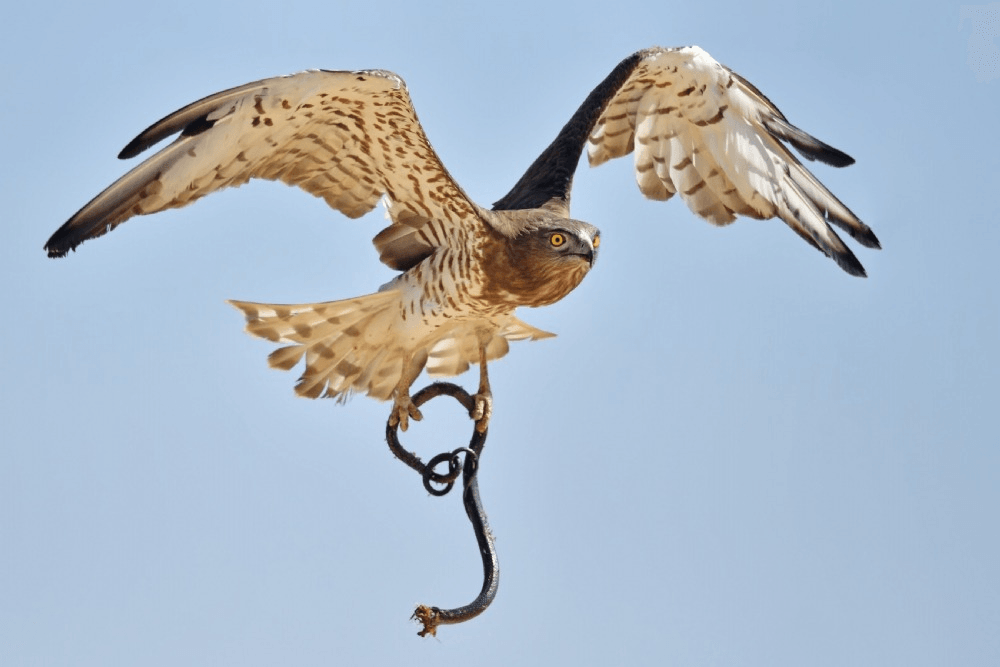
Minos had a counselor named Polydius. One day, Glaucus, Minos' son, disappeared, and Polydius, guided by predatory birds, discovered that he had died. Minos ordered Polydius to bring his son back to life. Polydius observed snakes using a miraculous plant to revive one another and used this plant to resurrect Minos' son. Polydius was the grandson of another "iatromantis" from Argos, Melampus. It is said of Melampus that snakes licked his ears while he slept, and thus he learned to speak the language of animals. He used this knowledge to predict the future, interpret signs, and heal. As a result, he gained political prestige, which eventually led him to rule Argos.
There are various anecdotes about Melampus' life, and it is clear that these are rumors and myths, but what unites them all is the motif of a very wise person who used his rare abilities to assist people with political power, who eventually rewarded him with rule. When he ruled, he was the model of the wise king who used his wisdom for the benefit of his subjects. We recognize this story from Joseph (with a touch of Solomon's wisdom, who spoke the language of animals). It turns out that this similarity is not coincidental. It is also said of Melampus that he was thrown into prison unjustly after a misunderstanding, and a prophecy that eventually helped the king raised him from the pit and was rewarded. Some claim he was imprisoned after being captured and thrown into prison due to circumstances surrounding courtship with the king's daughter. In some versions, it is said that his reward of one-third of the kingdom of Argos was in exchange for curing madness caused by a false Dionysian cult. And so on…
-
A neolithic grain cult?
Researchers from the Autonomous University of Barcelona (UAB) argue that the discovery of grinding stones in Neolithic burials in Germany suggests that these were grain milling tools buried alongside individuals in ritual contexts. Several tools were found at different stages of their life cycle: some new, some lightly used, and some completely worn out. The researchers interpret this as symbolizing human life cycles, as an allegory of birth, life, and death, and possibly also reflecting the cyclical nature of the seasons. The arrangement of the tools in layers, in pairs, and aligned east to west, indicates that this was done intentionally. This finding is consistent with similar discoveries in France and Belgium, leading to the assumption that these practices were widespread across Neolithic Europe. What is emphasized here is the act of milling itself, performed by the women in the community, their skill, and their central role. The fact that these stones were used for grinding grain raises the question—are the grains the issue, or is it the act of grinding itself that holds significance?
-
Wolfsbane: A Poisonous Beauty
Aconitum, commonly known as “wolf’s bane” (bane for poison, like the henbane) or “monkshood”, is an ornamental plant renowned for its uniquely shaped flowers, but also infamous for its extreme toxicity. The toxic compound in Aconitum, called aconitine, is present in all parts of the plant, but is especially concentrated in the tuber and roots. A lethal dose can be as little as 2 mg of aconitine or one gram of the plant. The poison is absorbed not only through ingestion but also through skin contact, and its effects are extremely rapid, potentially leading to death within 2–6 hours. Aconitine disrupts neural and cardiac signaling, causing a drop in heart rate and blood pressure, which eventually results in cardiac arrest and respiratory paralysis due to the failure of the brain’s respiratory center.
Symptoms of poisoning include dizziness, a burning sensation, and tingling in the mouth and throat—a characteristic also found in rabies, which likewise leads to cardiac arrest and respiratory failure. This similarity is thought to be the reason the plant was historically associated with dogs, particularly rabid dogs. Some go further and claim that the reason it has been called “wolf’s bane” (Lycoctonum) since antiquity is due to the belief that the plant’s poison was the same toxin found in the mouths of rabid dogs—suggesting a mutual influence between them. In Ovid’s Metamorphoses, it is said that the poisonous saliva of Cerberus dripped onto the ground, from which Aconitum flowers sprouted. In mythology, this plant is closely linked to Cerberus, the hound of the underworld.
Throughout history, Aconitum has been widely used as a poison, both against animals (notably wolves) and humans. It was commonly applied to arrowheads and spear tips, which is why some scholars believe its name derives from ἄκων (ákōn), the Greek word for “spear”. Some theories even suggest that Socrates may have been executed with Aconitum poison rather than hemlock (Conium maculatum).
In the Middle Ages, the plant became associated with witchcraft, primarily due to its poisonous properties. However, paradoxically, it was also used as a protective talisman, believed to ward off wolves—and, more specifically, werewolves.
-
Stonehenge-like circle unearthed in Denmark may have links to UK
During excavations in January 2025 in the city of Aars, in North Jutland, Denmark, a circle consisting of at least 45 wooden posts was discovered, with a diameter of approximately 30 meters. Researchers estimate that the structure was built between 2600 and 1600 BCE, during the Early Bronze Age. This is the second "woodhenge" of its kind found in the area. The researchers identified the structure while removing the topsoil. Initially, they believed it to be a row of post holes, but later realized that the holes formed a complete circle. The structure was not visible in previous aerial photographs, making the discovery particularly surprising. The researchers plan to conduct genetic testing on wood samples, likely oak, to examine possible connections between the builders of the structure and other cultures in Europe, particularly in Britain. Since such wooden circles—woodhenges—are typically aligned with the rising and setting points of the sun during solstices and equinoxes, proving this alignment in Denmark is crucial if that was indeed their purpose. However, if no alignment is found, it does not necessarily disprove a connection to Britain, as the entire assumption about ritual astronomy might itself be unproven. This matter will likely be investigated in an official academic paper, which has not yet been published.
-
Iron Age remains found in bog may have been sacrificial
A body was found in a bog in 2023. Initially, it was thought to be a contemporary murder, but it turned out to be a murder over 2,000 years old. The body was in poor condition, and it appeared she had been sacrificed and buried in the mud. The killing involved great violence and decapitation, which hinted at a ritual sacrifice. However, it wasn’t clear who she was or why. Now it turns out that she was a woman, about 1.7 meters tall, aged 17-22.
Other well-preserved bog bodies found in Europe, and the practice of human sacrifice, appear to have been common in ancient European cultures, especially among the Celts. Julius Caesar, for example, reported that the Gauls practiced ritual human sacrifice in his book "The Gallic Wars." It is assumed that the Gauls performed such extreme acts in times of crisis, believing that human sacrifice could appease the gods and bring success. The assumption is that they buried people in bogs to affect the land and crop fertility. The Romans saw this as a barbaric act, and the image of the barbarians was one of immoral people. Perhaps because they lived in areas with harsh climates, where growing crops was difficult.
In the philosophy of the time, influenced by Aristotle, it was believed that a "temperate" climate was the ideal climate because it was not extreme, and it had to be between specific latitudes, with those who lived outside of them being considered "living on the edge." Generally, it was believed that those living on the edge were also on the moral and physical edge – either very moral and beautiful or very wise, or the opposite, mostly the opposite. Those who lived beyond the boundaries of the norm were considered to be at the lower boundary of the norm or beneath it. Those who were simply wild humans, and some of them were even considered possibly not fully human, or perhaps primates (or a type of Bigfoot or Yeti, if it was in the North). In any case, the people of the North were considered such, and it was likely that the conditions in the North were harsh, and the cold or storms didn’t allow crops to grow. Hence, it makes sense why they would need fertility rituals, and behavior such as killing humans to fertilize the land with their remains was seen as "behavior of creatures that are possibly not fully human", which is probably the ancient definition of morality. Immoral behavior isn’t necessarily behavior that doesn’t align with local codes but with those that are not the codes of "true" humans. Meaning, morality is not absolute, but circumstantial.