
חודש: דצמבר 2024
-
השפעות התרבות המינואית על הנצרות
מנהגים רבים, פרקטיקות תרבותיות ומסורות של התרבות המינואית מכרתים נשמרו בצורה זו או אחרת בנצרות האורתודוקסית. כך, על פי כתבה באתר גריק ריפורטר. אני לא מכיר את הכותב, ולפי לינקדאין מסתבר שהוא אמנם בוגר תואר שני אבל עדיין עיתונאי. אבל הוא מבסס את חלק מטענותיו על ממצאים ארכיאולוגיים ובעיקר טענותיה של ננו מרינטוס, פרופ׳ מהמחלקה…
-
The purpose of Rujm el Hiri was not astronomical
Rujm el-Hiri (also known as "Gilgal Refaim") is an impressive and mysterious archaeological site in the Golan Heights, located near Moshav Yonatan. It is one of the most fascinating and unique sites in Israel from both an archaeological and historical perspective. In Arabic, its name means "the stone heap of the wild cat" or "the leopard."…
-
Minoan Civilization Customs That Survived in the Christian Orthodox Religion
Many customs, cultural practices, and traditions of the Minoan civilization from Crete have been preserved, in one way or another, within Orthodox Christianity, according to an article on the Greek Reporter website. I do not personally know the author, and based on his LinkedIn profile, it appears he holds a master’s degree but works primarily as…
-
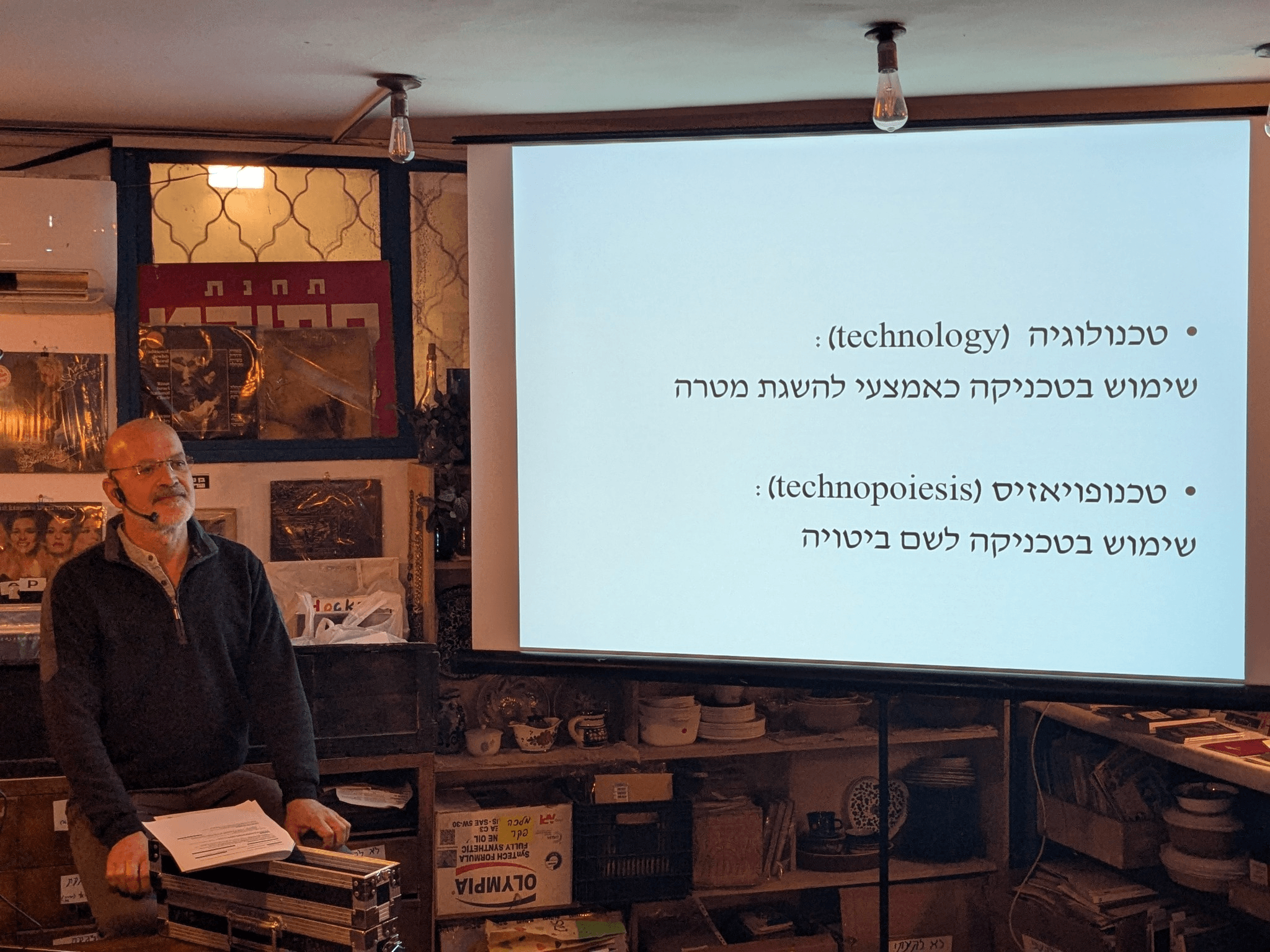
Technopoiesis and testimonial artifacts
Yesterday marked the sixth and final lecture in the current series of “Temple of Consciousness” talks. The series was a success. It served as a pilot to gauge interest, and the demand and engagement proved it to be both fascinating and mind-blowing. Dr. Amzallag’s lecture on Technopoiesis was a testament to this. The lecture itself…
-
Mass Violence or Ritual Cannibalism? Unraveling the Mystery of Bronze Age Atrocities in Somerset
The following text includes facts and hypotheses based on interpretations, which themselves rely on a paradigm involving prior assumptions. Therefore, multiple interpretations can be presented depending on what you are seeking. First, the facts. Researchers have uncovered evidence of a mass killing that occurred approximately 4,000 years ago in a 15-meter-deep natural shaft at Charterhouse Warren,…
-
Actress, 33, dies after consuming frog venom at spiritual cleansing retreat in Mexico
Kambo is a substance derived from the skin secretions of the giant leaf frog (Phyllomedusa bicolor), a species native to the rainforests of the Amazon. Known as the “frog vaccine” (Vacina do Sapo), it has been used for centuries as an important therapeutic and spiritual tool by indigenous tribes in South America. In recent years,…
-
“Suicide Homes”: The Shamans of El Alto and Their Sacred Struggle Against Nature
These shamans live on a cliff with a 90-degree slope. Heavy rains are making their already fragile homes even more unstable. The municipality of El Alto in Bolivia wants to evacuate them out of concern for their safety, but they refuse. The local residents support them, even though these homes are referred to, even among…
-
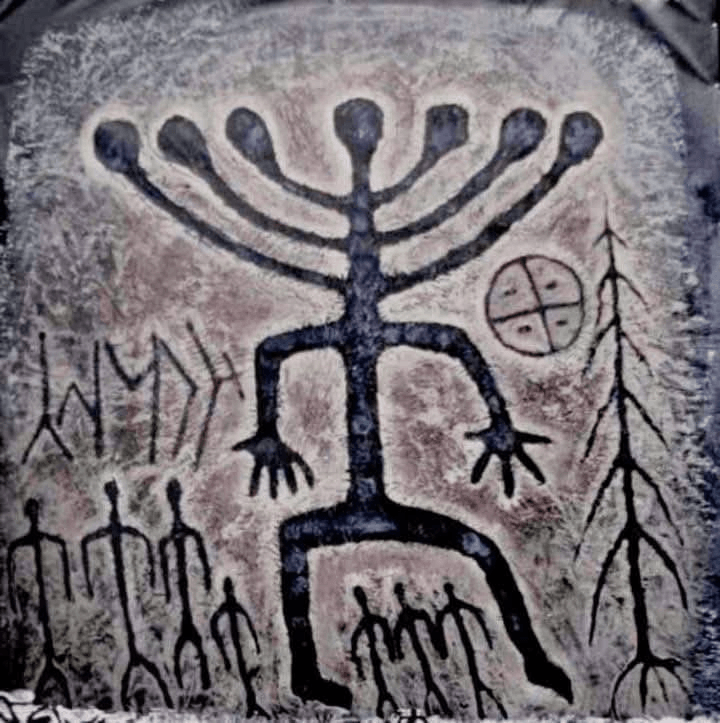
The Mystery of the Siberian Petroglyph: Symbolism, Myth, or Modern Fabrication?
I cannot find any references to this petroglyph, which was supposedly discovered years ago in Siberia. I am inclined to believe that if none of the databases recognize it, and the only places where it appears are Pinterest and Instagram, then it is likely fake. That being said, this object is meant to symbolize the…
-
Burned Bones and Rituals: Unraveling the Mysteries of Trypillia Culture in Neolithic Ukraine
A research team led by Johannes Müller from the Institute of Prehistoric and Protohistoric Archaeology at Kiel University, Germany, has uncovered new details about the lives of people who lived over 5,600 years ago near Kosenivka, Ukraine. The Neolithic Cucuteni-Trypillia culture thrived in Eastern Europe between 5500 and 2750 BCE. Their large settlements, housing up…
-
Desert Kites: Ancient Hunting Tools and Their Cultural, Ritual, and Ecological Significance
Desert kites are ancient structures designed as highly efficient tools for the mass hunting of animals. These structures feature long stone walls arranged in a funnel shape, guiding animals toward a central trapping point—usually a deep pit or steep slope—where the prey was captured. The kites were carefully constructed to utilize natural terrain features, such as…