
חודש: אוקטובר 2024
-
coca plant arrived to Europe in the early 1600s
Traditionally, it was believed that the coca plant first arrived in Europe in the 19th century, brought by explorers and traders who carried samples from North and South America. Spanish colonizers were familiar with the plant as early as the 15th century, but it did not become a significant trade commodity in Europe until the…
-
Ancient Phrygian Sacred Sites Uncovered at Midas Castle
During excavations at the Midas Castle in Eskisehir, Turkey, archaeologists uncovered remnants of structures from the Phrygian period, dating back to approximately 800 BCE. The findings include ancient ovens, an open hearth, and rock-carved basins—all serving as evidence that the site was used for ceremonial events, such as ritual feasts and animal sacrifices. Additionally, a…
-
Was the coca known in europe more than 200 years before we knew it was?
Traditionally, it was believed that the coca plant first arrived in Europe in the 19th century, brought by explorers and traders who carried samples from North and South America. Spanish colonizers were familiar with the plant as early as the 15th century, but it did not become a significant trade commodity in Europe until the…
-
‘high’ on oxygen deprivation – the debate
Three years ago, a Ph.D. student of Professor Ran Barkai from Tel Aviv University co-published an article with him on a hypothesis suggesting that Stone Age cave paintings were created, at least partially, due to conditions of oxygen deprivation (hypoxia) in the caves. According to the research, low oxygen levels in the caves may have…
-
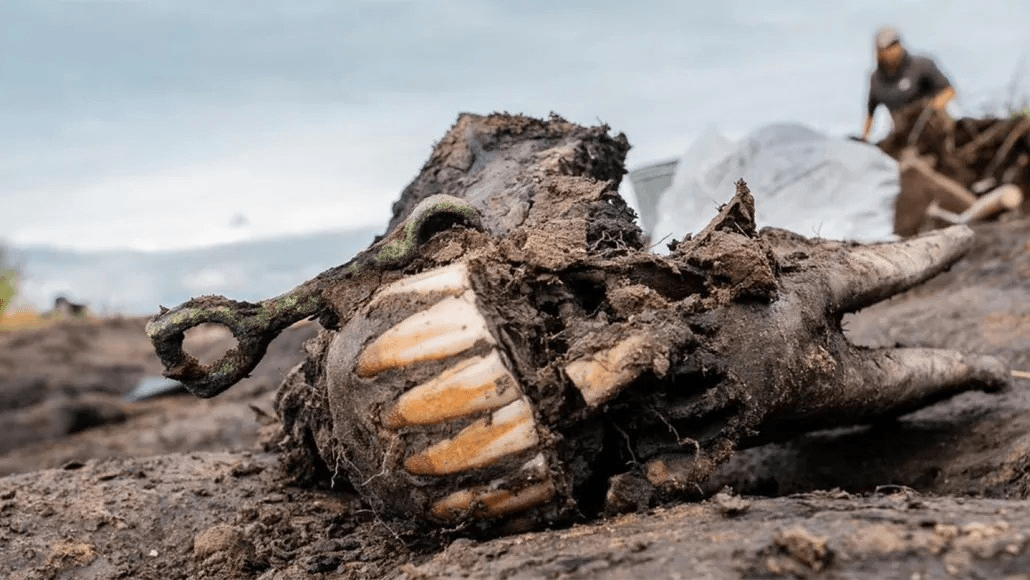
Evidence to scythian "spectral rider" burial
At Tunnug 1, a royal tomb in Tuva, southern Siberia, the remains of at least 18 horses and one human were found, sacrificed as part of a burial ritual that appears similar to the horse-sacrifice ceremonies described in Scythian burial practices. Additionally, items such as horse tack, bronze belt fittings adorned with animal motifs, and…
-
Two references in Hugh Bowden's book, "Mystery Cults of the Ancient World" (2010), to the question of whether psychedelic drugs were consumed by Mysteries
"Before answering these questions, there is one more avenue of experience to explore. In the middle of the twentieth century, the Eleusinian Mysteries were approached from the standpoint of ethnomycology, that is, the study of the role of mushrooms in human society. The poet and mythographer Robert Graves was the first to suggest that the…
-
Who were the Philistines?
Since the era of the patriarchs is dated from the birth of Abraham and lasted about 200 years, and 400 years before the Exodus, it places this period in the 18th century BCE. Some scholars, however, date it as late as the 14th century BCE, which is still centuries earlier than the archaeological evidence pointing…
-
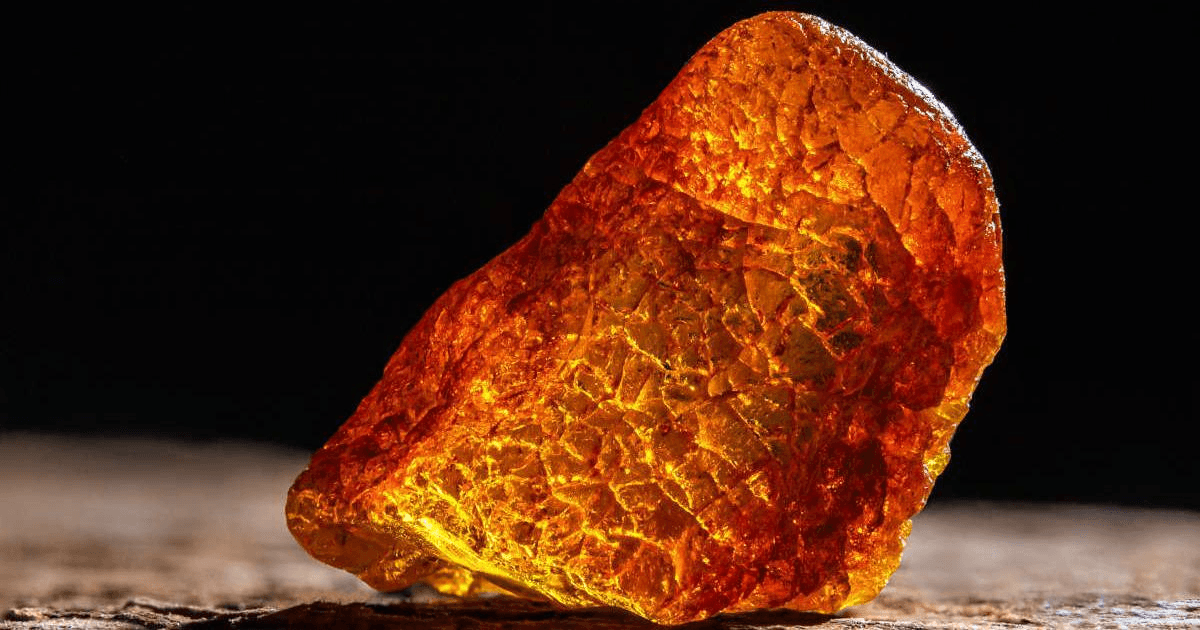
The amber as sun god worship
Polish archaeologists have discovered that in Mycenaean culture (pre-Homeric ancient Greece, late Bronze Age), amber was used as a symbol of high social status and as part of sun worship. Amber was found in the lavish graves of Mycenaean elites, mainly in the form of jewelry and ornaments, indicating its social and spiritual significance. Amber…
-
The pantheism of the Maya throught the worship of the storm god Huracán
The word "hurricane" is derived from the name of the storm and creation god in Mayan mythology, Huracán, whose name in the K'iche' language means "one leg." The god Huracán represented the power of storms and tornadoes, and from there, the term passed to the Caribbean islands and then into various Western languages, including English,…
-

The Evolution of Consciousness: From Primordial Unity to Self-Awareness
Future researcher David Passig has a new book that deals with the evolution of human consciousness, referred to as "qualia". The book describes its stages of development so far and offers directions for its future evolution. Passig explains ancient ideas about humanity’s place in the world, how they developed into religions, and the paths they…