
תגית: Terence McKenna
-
A new spin on the “Stoned Ape Hypothesis”
The "Stoned Ape Theory" was first proposed by ethnobotanist Terence McKenna in 1992. It suggests that the use of psychedelic substances, such as psilocybin mushrooms, played a key role in the rapid cognitive development of early human ancestors. According to McKenna, psilocybin helped early hominids enhance abstract thinking, creativity, and expanded consciousness, which ultimately led…
-
Death by Astonishment
Andrew Gallimore is a computational neurobiologist, pharmacologist, and author who focuses on the mysterious effects of DMT on the brain and consciousness. He developed a prolonged intravenous DMT infusion model in collaboration with leading DMT researcher Rick Strassman. In his research, Gallimore explores alternate realities experienced under DMT, suggesting that it may act as a…
-
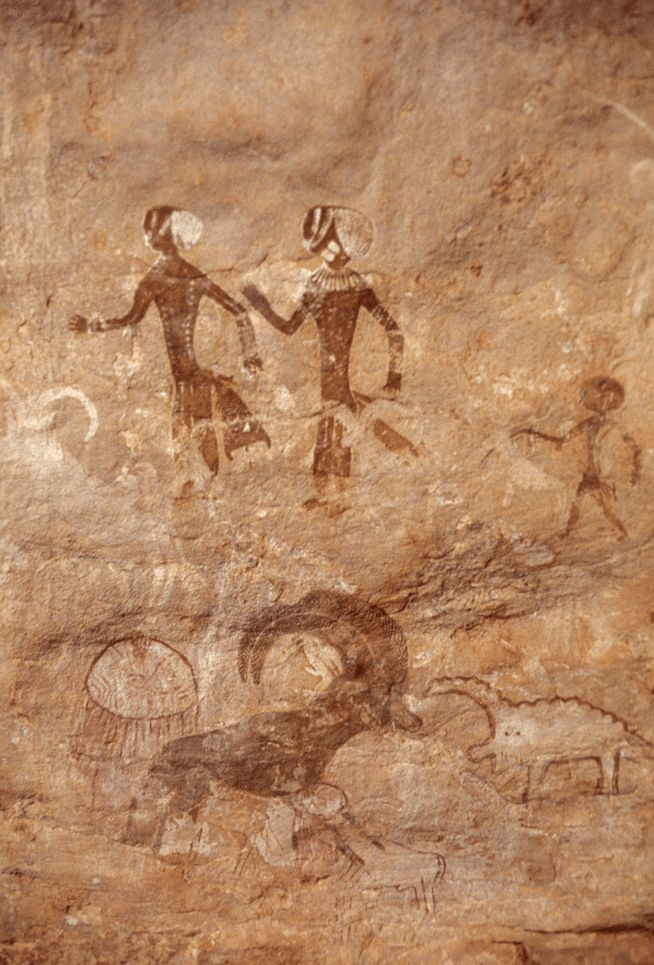
Because of poo fungi the ancient man worshiped horses
The veneration of horses among early shamanic societies likely arose because horses produce a significant amount of manure, and certain mushrooms, known as "coprophilous" fungi, attach to their dung to reproduce. These fungi are called coprophilous because they rely on their hosts to excrete them in manure, which acts as fertilizer, thus spreading their spores.…
-
Terence McKenna Might Have Been Right About the Stoned Ape Theory
A new study suggests that psilocybin mushrooms may have played a significant role in the evolution of human consciousness, supporting Terence McKenna's "Stoned Ape" theory. The research was conducted by two Peruvian scholars, Jehoshua Macedo-Bedoya from the National University of San Marcos in Lima and Fatima Calvo-Bellido from the Pontifical Catholic University of Peru. "The…